
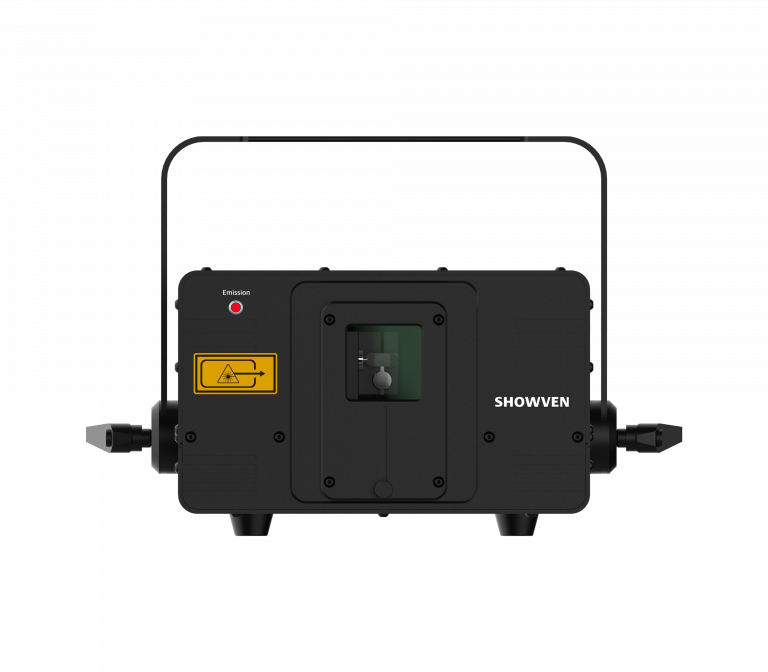
Introduction: Define Control, Measure Impact
Precision in beam control is not a luxury; it is the baseline for safe, repeatable shows. A DJ laser light must hold aim, maintain power stability, and track fast cues without drift. Picture a packed room, light haze, and a tight stage plot—then one beam flares or wanders, and the effect breaks. Recent venue audits show that over 40% of small rigs fail basic beam divergence checks, and 1 in 5 show logs flag missed cues due to scanner lag. So, what does “good” look like, and how do we measure it in a live scene with moving parts?

Let’s break the core. Beam divergence should stay low and stable across the scan field. Galvanometer scanners must keep linearity at high PPS (points per second). Power converters should smooth input noise to avoid flicker. And DMX512 or ILDA control needs clean timing, not just bright output. If this sounds clinical, it is—and that keeps people safe (and your show tight). The real task is to link these specs to what the crowd actually sees, and what you can check fast on-site. Next, we’ll compare where typical rigs fall short—and how to fix it without guesswork.
Hidden Friction With Party Lasers: What Users Actually Feel
Most crews assume more power solves the room. It doesn’t. With party laser lights, the bigger pain is control fidelity, not wattage. Direct point: users fight jitter at wide angles and dim edges at speed. Illda files that look perfect on a laptop tear on the floor, because the scanners can’t hold linearity under load. And when power converters sag, beams pulse in haze—funny how that works, right? Then the operator turns down brightness to hide noise, and the scene loses punch. Look, it’s simpler than you think: most “wow” losses trace back to three things—beam divergence, scanner bandwidth, and timing jitter.
What hurts most at the gig?
Two silent problems: First, mismatch between content and scanner limits. If your PPS exceeds safe tracking, corners round off and logos smear. Second, thermal drift. Without real heat sinks and good airflow, mirror response shifts by set two. Add control-chain latency (cheap DACs, sloppy DMX512 cabling), and cues miss by beats. Safety interlocks may then trip, forcing a reset mid-set. The crowd feels the delay, not the spec sheet. Users also report setup fatigue because optical alignment takes too long in dark rooms—one nudge, and your grid tilts. This is the hidden cost: time, not just tech. Fixing it starts with honest caps on scan angles, sensible ILDA tuning, and cable discipline.
Comparative Outlook: New Principles That Change the Game
Old approach: throw power at the scene and hope haze does the rest. New approach: treat the laser as a motion-control system. That means spec-first choices—low divergence optics, fast but stable galvanometer scanners, and smart drivers that handle micro-stepping without overshoot. Modern rigs add predictive control loops and cleaner DAC paths. When you compare systems side by side, the one with better timing wins even at lower watts. And when party lighting lasers integrate real-time monitoring—temperature, mirror angle, current draw—you get fewer surprises during a four-hour set. Small shift, big effect.
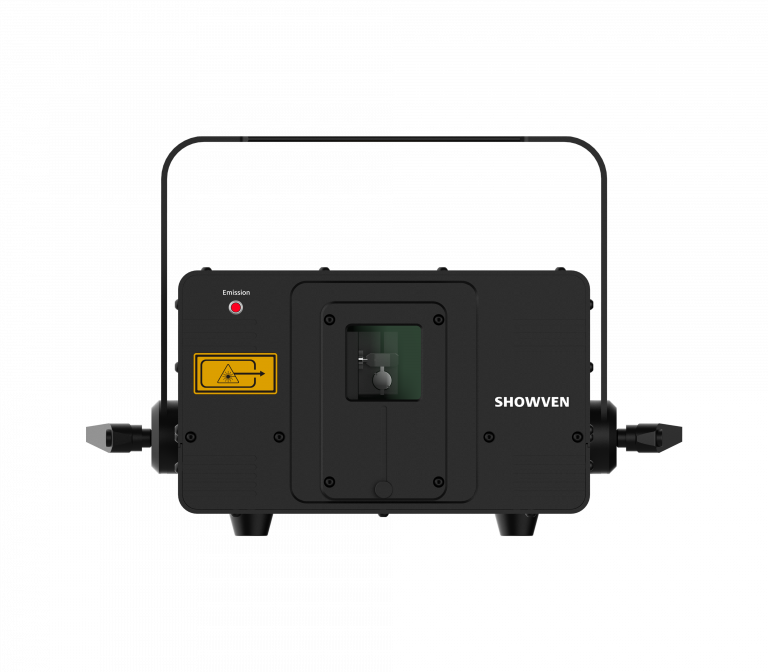
What’s Next
Expect edge features to move into the mid-tier: onboard diagnostics, per-axis calibration saves, and content-aware scan limiting that auto-protects mirrors during sharp corners—yes, the rig guards itself. We already see firmware that adapts PPS to maintain image integrity, rather than clipping frames. In practice, that means cleaner logos, steadier tunnels, and fewer service calls. Summing up: pain points were drift, jitter, and setup drag; new principles answer with closed-loop control, better thermal design, and tighter signal paths. To choose well, use three checks: 1) Measured beam divergence at full scan field, not center only. 2) Verified scanner linearity at your show’s PPS and angles. 3) End-to-end latency from console to mirror, including cables and DAC. Advisory finish—test those three before you sign the invoice, and your crowd will feel the difference—funny how that works, right? For a grounded reference point, see Showven Laser.