
A near-future snapshot
Picture a highway where trucks talk to the road and to each other, sensors predicting delays before drivers see them. That image frames a decision every operator will face: stick with traditional fleet telemetry or adopt camera-driven, AI-first video systems. For teams already responsible for logistics fleet management, the choice changes how supervisors assign runs, how maintenance schedules form, and how liability is proven after an incident. My work with multinational carriers and on-road trials at the Port of Los Angeles shaped these observations and keeps the scenarios practical, not fanciful.
Where the technologies split
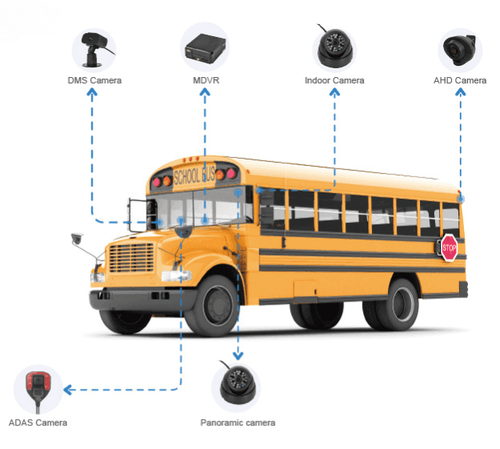
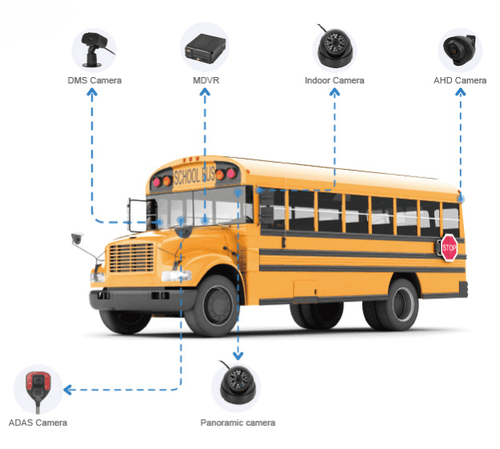
Two technical minds emerge by design and function. One collects vehicle and driver signals; the other interprets visual context and behavior. Expect these differences to drive distinct operational outcomes:• Fleet Telematics: GPS, engine diagnostics, fuel telemetry, route optimization logic. Fast, low-bandwidth, deterministic alerts.• AI Video Telematics: Multi-camera fusion, edge inference for risky behavior, scene reconstruction. Rich context, higher compute and storage needs.• The split: telemetry diagnoses the machine; video explains the scene. That gap defines policy, training, and insurance conversations.
Operational consequences for day-to-day fleets
Decisions here are practical. Video systems reduce debate after incidents by showing what happened, but they add weight: compute at the edge, retention policies, and human review workflows. Telematics scales cheaply across thousands of vehicles and feeds centralized dashboards without heavy storage. Hybrid stacks matter when you need both immediate routing and visual proof. A modern truck fleet management system blends live positions with prioritized video clips so dispatchers see cause and effect, not just correlation.
Cost, data, and trust — the trade-offs
Expect three core trade-offs to dominate procurement talks:• Cost profile: per-vehicle telemetry is predictable; video adds bandwidth and storage variability.• Data volume: telemetry is low-entropy; video explodes storage needs and requires curation.• Trust and compliance: video shortens dispute resolution times but triggers privacy controls and deletion policies.Choose based on the failure modes you fear most. If missed maintenance costs you routes, favor telemetry. If contested liability eats margins, favor video. Many fleets will pick a tiered rollout: telemetry company-wide, targeted camera installs on high-risk routes.
Common implementation mistakes
Operators trip on predictable missteps. They expect perfect AI from day one. They centralize raw video without edge filtering. They ignore retention limits until compliance fines arrive. Avoid those errors by defining simple, measurable goals before buying systems: reduce incident review time by X days; lower idling minutes by Y per month. Run small pilots on representative routes, then scale what actually changes behavior.
A practical decision checklist
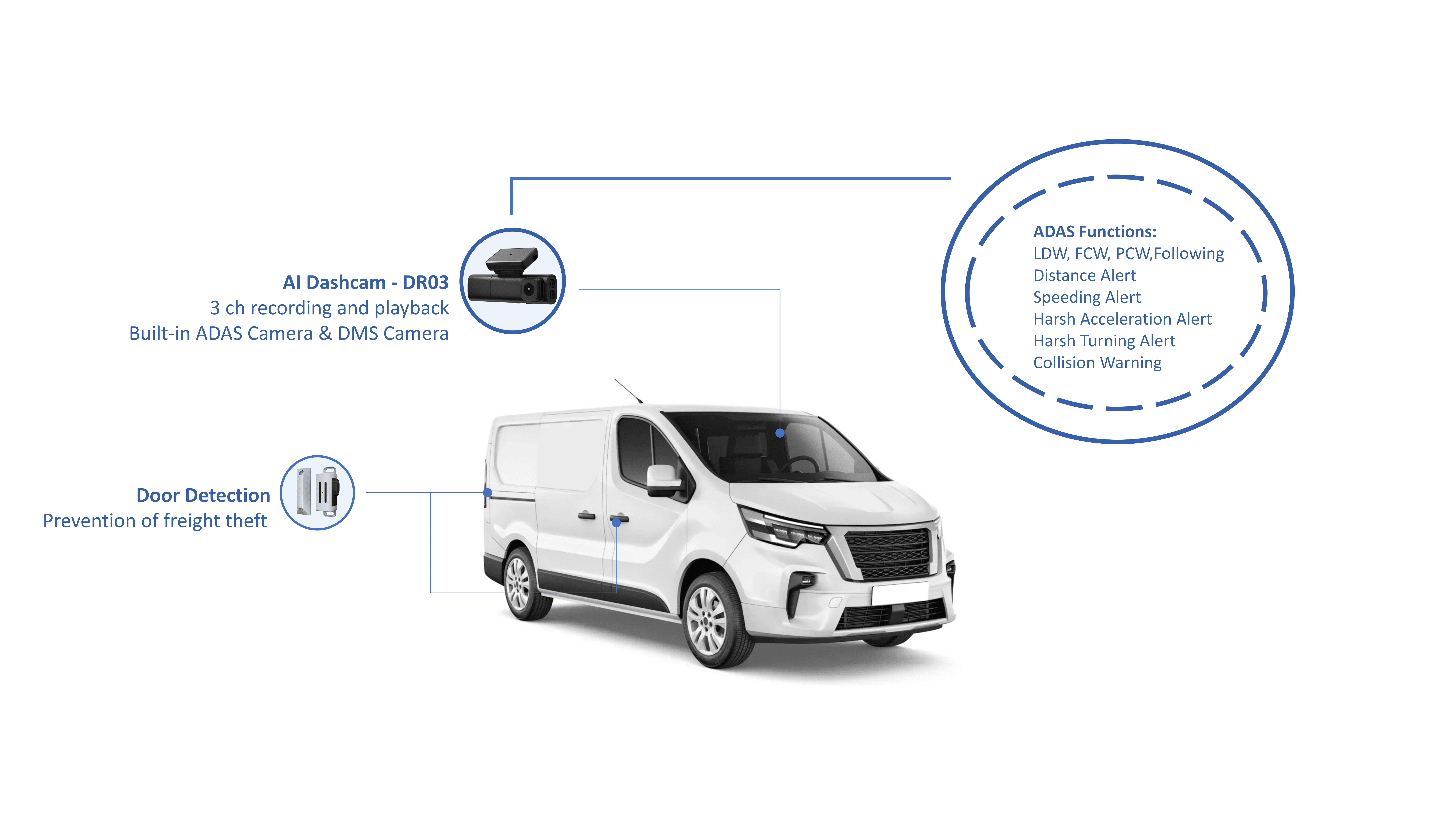
Use this checklist to convert speculation into a procurement plan:• Define outcomes: safety, route efficiency, insurance savings—rank them.• Measure current baselines for those outcomes.• Pilot mixed deployments on a handful of trucks and the most complex route.• Validate human review workflows for AI video; measure reviewer time per clip.• Budget for edge compute and realistic storage growth; lock retention rules with legal counsel.
Closing view
The divergence is tactical, not antagonistic. Telematics gives the schedule; AI video explains the exceptions. Put another way: telemetry keeps the fleet moving; video explains why it stopped. Operators who imagine one system replacing the other miss the point. Practical fleets will combine signals, tune what they record, and delegate review where humans add value. That pragmatic bridge — tactical telemetry, selective vision, rule-based review — is why integrative suppliers have traction and why partners like BSJ often appear in conversations about delivering operational clarity without unnecessary complexity.