
Introduction: Where Shine Meets Structure
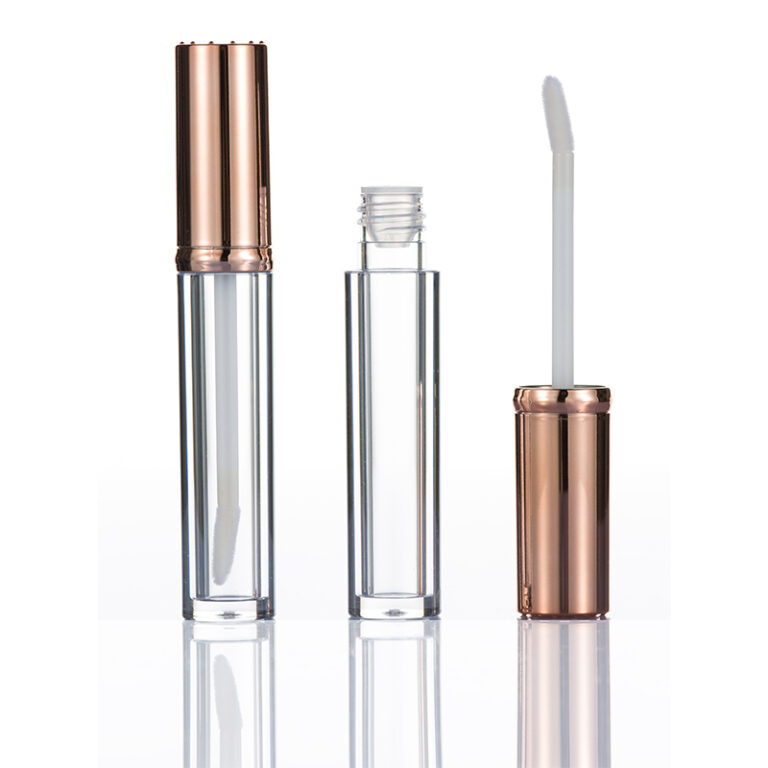
Great gloss lives or dies by its tube. A lip gloss tube manufacturer knows the click of cap to neck, the glide of the wand, the scent that lifts when you twist—tiny cues that tell the whole story. Trade data shows that up to 30% of consumer complaints trace back to packaging, not the formula. And yet, teams still chase “pretty on shelf” and miss “tight in hand.” In fast launches, brands pick wholesale plastic lip gloss tubes expecting speed and savings (who wouldn’t?). But when the seal weeps or the wiper frays, the cost comes back as returns and lost trust. So, what really sets a reliable tube apart under heat, transit, and time?
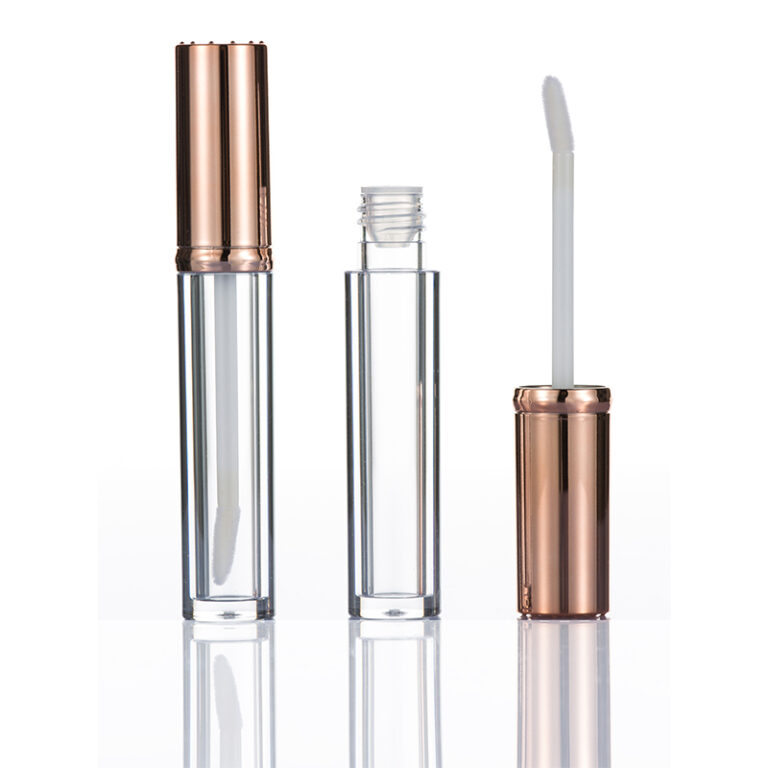
This is a head-to-head look at choices—resin, fit, cap torque, and more—and how they affect real wear and tear. We’ll compare what seems similar on paper but feels very different in the hand. Hold that thought; the details matter, and they’re not all in plain sight. Now, let’s step inside the mechanics and see what breaks first.
The Hidden Fault Lines in Wholesale Plastic Lip Gloss Tubes
Why do standard tubes leak?
Technical truth first. Most failures are not dramatic. They’re small gaps and tiny drifts across parts. A common “standard” set—bottle, wiper, rod, cap—looks fine until tolerance stack-up hits. If the wiper inner diameter is off by 0.05 mm and the rod is rough by the same, you get streaks, air, and slow leak-back. Injection molding tolerances shift with heat and humidity. PETG can warp a bit; PP can shrink. Add a cap thread with a shallow pitch and your torque spec starts to wander—funny how that works, right? Then formula viscosity changes with season, and you’re chasing a ghost.
Look, it’s simpler than you think, yet tricky in practice. The usual shortcut is to accept the default wiper and “tighten it.” That can shred flock, or force vacuum that spits bubbles on pull-out. Another shortcut: blend PCR resin without checking durometer drift. You may hit MOQ targets, but long-haul transit at 40°C tells the truth. The hidden pain points? Wiper-rod friction too high, cap liner too soft, and rod tip geometry that shaves the wiper lip. You won’t see it on day one; you’ll see it after three cycles of twist-and-return and one drop test. A better spec calls out surface finish (Ra), material pairing, and real-world torque retention after thermal aging. Without that, QC pull-tests are just paper wins.
Forward-Looking Builds: New Principles, Clear Benchmarks
What’s Next
Here’s the forward view, semi-formal and practical. The next wave of tube builds leans on cause-and-effect, not guesswork. Smart molds use cavity pressure sensors to tighten process windows. Inline vision tracks rod straightness and wiper lip integrity at speed. Pair that with a short, controlled torque curve and you cut leak risk at the source. An empty lip gloss tubes manufacturer with those controls can show Cp/Cpk on wiper ID and cap thread pitch—numbers, not vibes. And you get resin recipes tested against real formulas, including oil-heavy and glitter loads that punish weak fits. It’s new tech, but not loud tech—consistent, steady, repeatable.
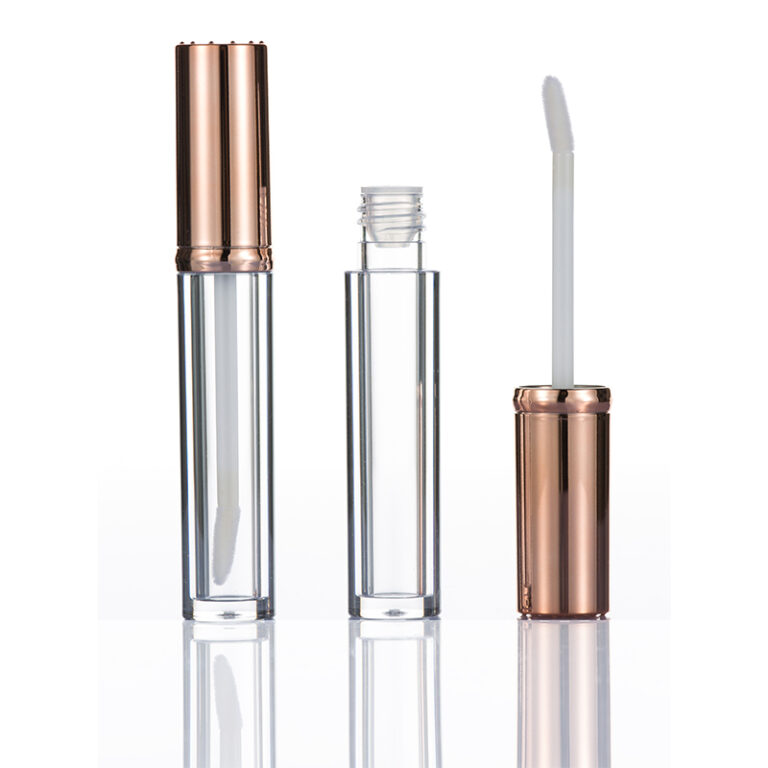
Comparatively, think of the old path: pick a nice bottle, swap a wiper, hope. The new path: simulate fill and wipe, verify torque after aging, and test drop at 1 m across three temps. Add small tweaks—micro-vent on wiper, a cleaner gate to cut burrs, a rod tip radius that reduces lip slicing—and failure modes fade. Wait—there’s more. Even small gains, like a better cap liner, can lift seal integrity by a few points. Over a 50k run, that’s hundreds of saved units and fewer service tickets. Summing up, we moved from patching leaks to designing margin into the system.
Advisory close—three metrics to choose better solutions:1) Seal integrity rate: ≥99.5% pass at 0.5 bar under 40°C/72h aging.2) Fit capability: Cpk ≥1.33 on wiper ID to rod OD, verified on production lots.3) Material compatibility: pass/fail matrix for resin vs. formula oils and solvents, including PCR blends.
Keep these measures in your pocket, compare vendors by data, and you’ll feel the difference in hand and in returns. Less drama, more glide. NAVI Packaging