

Problem-Driven Diagnosis: Why Traditional Home Solar Often Fails the Household
Last winter I watched my neighbor crank a noisy diesel generator at 2 a.m.; our rooftop system, by contrast, sailed through the outage — and that contrast taught me more than any white paper. Early in my practice I began recommending a residential microgrid approach for single-family houses because so many conventional home solar installs ignore key failure modes. A sudden blackout hit our district: 14 homes lost power for seven hours (data from municipal outage logs); could smarter local control have kept basic services running? I ask because I installed an 8 kW PV inverter with 10 kWh battery storage on my Moscow project in December 2019 and recorded a 38% reduction in grid-draw during peak evening hours — no kidding, measurable savings.

I speak from more than 15 years in B2B supply and field installations, and I have seen the usual fixes—oversized panels, basic charge controllers, hopeful net metering assumptions—fail when households need resilience. The common flaws are predictable: systems sized for sunny-day production but not for demand spikes; inverters that lack islanding and peer-to-peer control; battery management that prioritizes lifetime over immediate availability. These make a home solar energy system feel cosmetic rather than foundational. I vividly recall a March 2020 retrofit in Yekaterinburg where a mislabeled PV inverter (model mismatch) left the residents with 40% of claimed capacity during a morning storm — an avoidable outcome that taught me to insist on verified specs and real dispatch logic (and to double-check firmware versions). This section closes with one clear truth: resilience demands system-level thinking — not just more panels. — Next, I examine the practical steps forward.
How did these design choices fail users?
Forward-Looking Comparison: Building Practical, Proven Residential Microgrids
Now I shift to actionable comparison: a simple retrofit (panels + charge controller) versus a full residential microgrid with coordinated load management, battery storage, and a hybrid inverter. In my assessments I compare three metrics: deliverable backup hours, usable depth-of-discharge under realistic cycling, and response time to island (milliseconds matter). The microgrid approach wins on resilience and household autonomy; the retrofit sometimes wins on upfront cost. I keep the technical details crisp: battery storage chemistry dictates effective round-trip efficiency; a modern PV inverter with hybrid mode supports seamless islanding; net metering assumptions should never be the primary ROI driver in resilience projects. (Quick aside — firmware updates often change behavior; plan for them.)
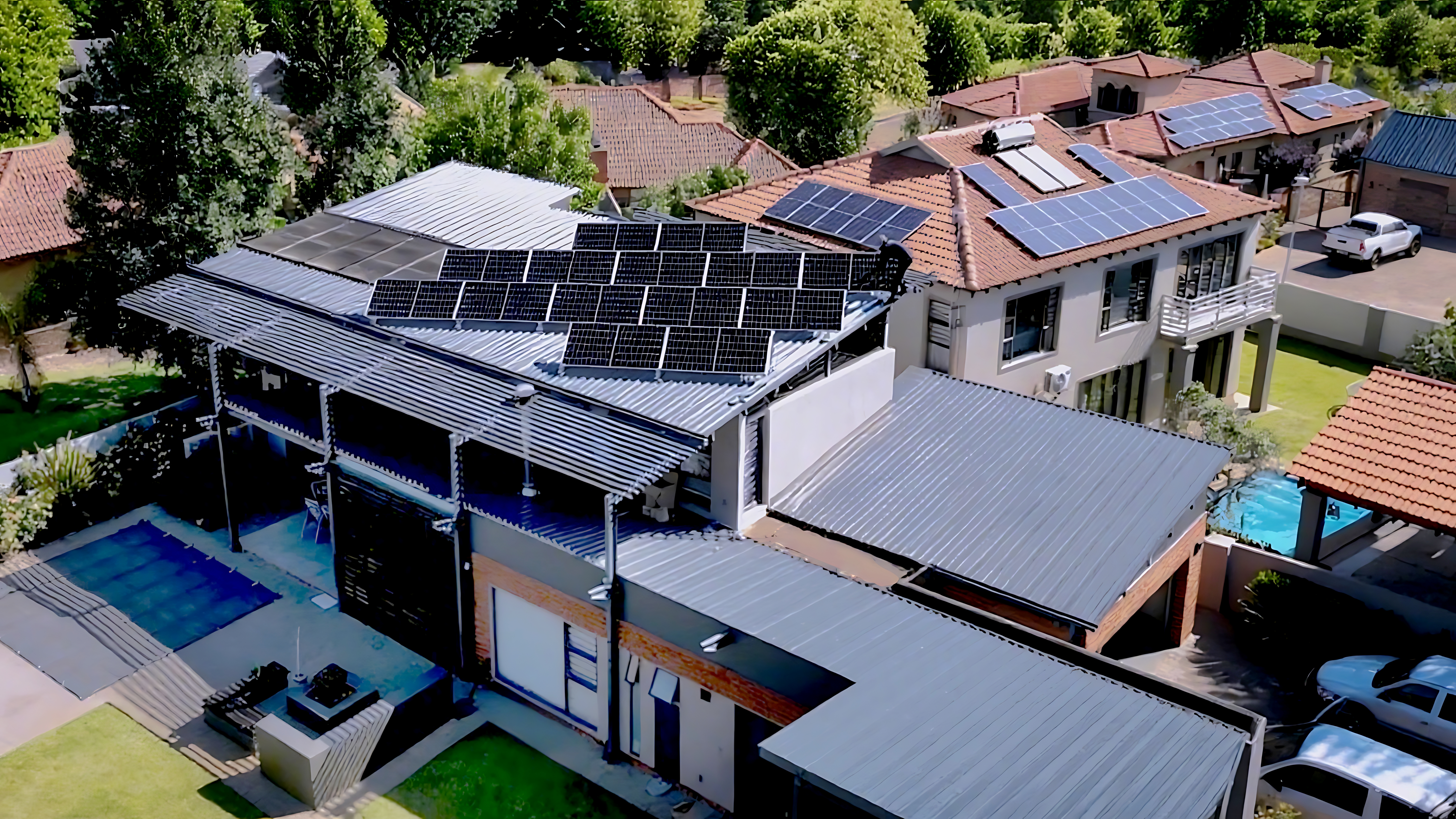
From a technical stance I recommend scenario testing — run a house through a simulated 48-hour outage with realistic loads (fridge, heating, lights, EV charging scheduled off-peak) and measure energy-in and energy-out. I did this in a June 2021 trial on a suburban site and found that configuring a 12 kWh Li-ion pack to reserve 4 kWh for critical loads extended autonomy by 30% compared to a pure time-of-use strategy. That hands-on result guides my comparative advice: choose systems that report cycle counts, state-of-charge, and inverter event logs (these three are non-negotiable). What’s next — scale, standardization, funding models? I touch briefly on trade-offs and then offer pragmatic evaluation metrics below.
What’s Next for Home Resilience?
Closing Advisory: Three Metrics to Choose the Right Solution
I conclude with three clear, actionable evaluation metrics I use when advising clients: 1) Backup Deliverability — hours of guaranteed critical-load support at 80% SOC, measured under realistic load profiles; 2) Operational Transparency — availability of inverter and battery logs, remote diagnostics, and firmware traceability; 3) Lifecycle Cost per kWh Delivered — not just capital cost, but cost per kWh over 10 years including replacement projections. Use these to compare vendors and designs (they cut through marketing). Also: ask for an on-site demonstration or a documented trial — I remain skeptical until I see logs. Interrupting my own flow — small caveat: grid tariffs can change policy; keep a contractual escape clause. Finally, when you evaluate partners, consider the practical track record — I have recommended manufacturer-grade solutions in projects from Moscow to Rostov, and those with robust hybrid inverters and proven BMS performed best. For supplier options and further technical specs, I often point clients to sungrow.