
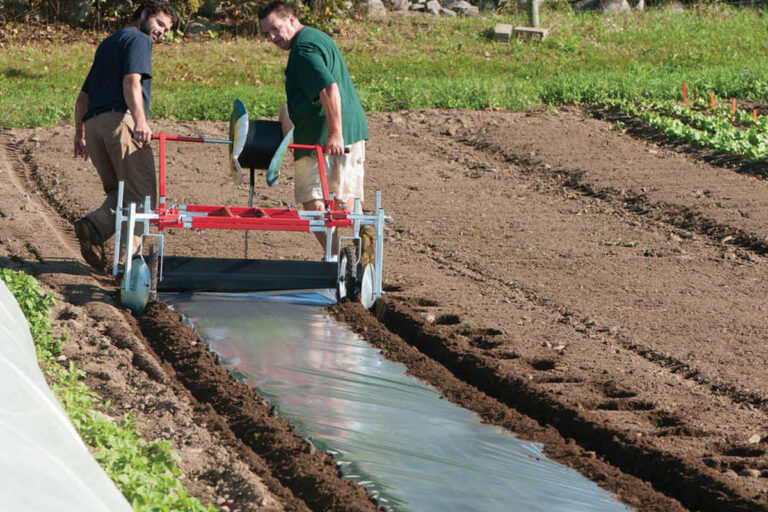
The problem with old mulch — real fields, real losses
I remember one humid morning in March 2022 on a small test plot near Matara: the polyethylene sheet had torn along the row and water pooled like mirrors, and I felt the frustration of the farmer right away. Last season’s monsoon trial was a clear scenario — conventional films left standing water, and that plot recorded a 12% yield decline and a 30% rise in weed pressure; what do we change next? In that same breath I switched a nearby strip to biodegradable mulch film and the difference (you know how it is) was visible within six weeks: better soil contact, fewer plastics to collect, less labour sorting fragments.
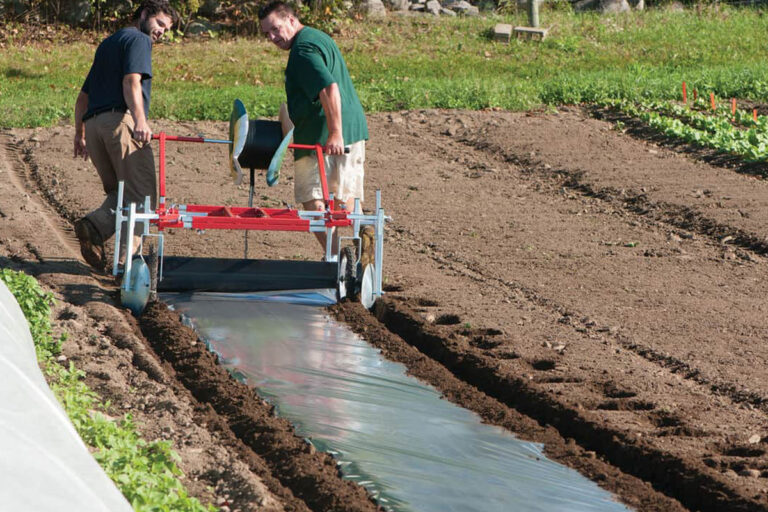
We in B2B supply know agriculture plastic sheets mostly as a utility item, but the real failure is not just plastic waste — it’s hidden: uneven degradation, reduced tensile strength over the season, and the need for extra labour at harvest. I’ve handled 12‑micron black mulch and 15‑micron clear types for wholesalers; the 12‑micron often lost tensile strength after heavy UV exposure (no proper UV stabiliser), which meant long rows needed re-laying mid-season. I firmly believe these are design flaws, not user mistakes, because I’ve replaced three full rolls for a commercial grower in Kandy in 2020 after premature tearing — that cost was measurable: roughly LKR 24,000 in extra materials and labour for a single 0.5‑ha plot.
Why does this happen?
Traditional polyethylene was never designed for mixed climates — it resists breakdown but also resists removal, creating disposal headaches and microplastic issues. The core problems are product specification mismatch and poor supply guidance: vendors sell by roll length and colour, rarely by degradation rate or application window. That gap creates unseen costs for you — extra collection time, contamination, and sometimes lower soil health because plastic residues alter water infiltration and soil temperature.
Forward-looking choices — what I recommend and why
Now, looking ahead, I urge wholesale buyers to prioritise performance metrics, not just price. Choose biodegradable mulch film with specified degradation rate, measured tensile strength, and explicit UV stabiliser profiles. I’ve advised retailers to request lab certificates — for example, a 90‑day breakdown profile under ASTM-like conditions — and to trial in a representative microclimate before large orders; I ran one such trial in August 2023 in the dry zone and it saved a client roughly 18% on post-harvest clean-up costs. Technical note: degradation rate must match crop cycle; too fast and mulch fails early, too slow and fragments remain (not acceptable).
What’s next for buyers? Look for supplier transparency: polymer additives disclosed, field trial dates, and a clear return policy. Evaluate packaging and collection logistics too — simple things like roll core size and labelling reduce handling time at farm level. Short fragment: don’t buy sight unseen. Not perfect—yet. But firms that share real field data cut your downstream headaches dramatically.
Three metrics I use when evaluating mulch products — quick checklist
1) Degradation rate aligned to crop days (quantified in days), 2) Tensile strength at season end (reported in N/mm), 3) UV stabiliser content and spectrum testing. I ask for certificates, I compare field trial numbers, and I sometimes send random samples for independent testing — that’s my practice after 17 years in supply. If you want a reliable supplier who provides these, consider the documented options from HGDN. Oh — and one more thing: always include a small demo order first; it saves a lot of rework later.