
Putting the user first — why this matters for installations
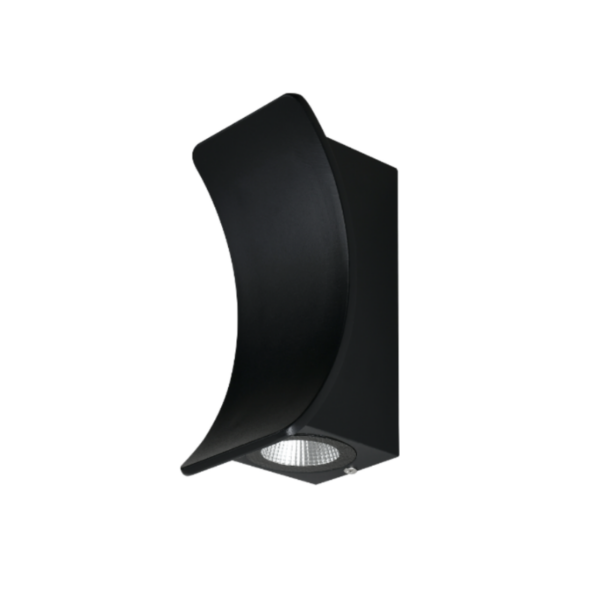
When a hotel manager asks for “bright, reliable, low-maintenance” lighting, they mean systems that work through stormy nights and busy check-ins. A well-specified outdoor wall lights motion sensor answers that brief, but only when electrical constraints — voltage drop, inrush and surge protection — are respected from design to commissioning. In the context of large façades and long cable runs, even an elegant fixture becomes a headache if the driver, wiring, and protective devices weren’t coordinated for real-world hotel exterior lighting demands.
Core electrical constraints explained in plain terms
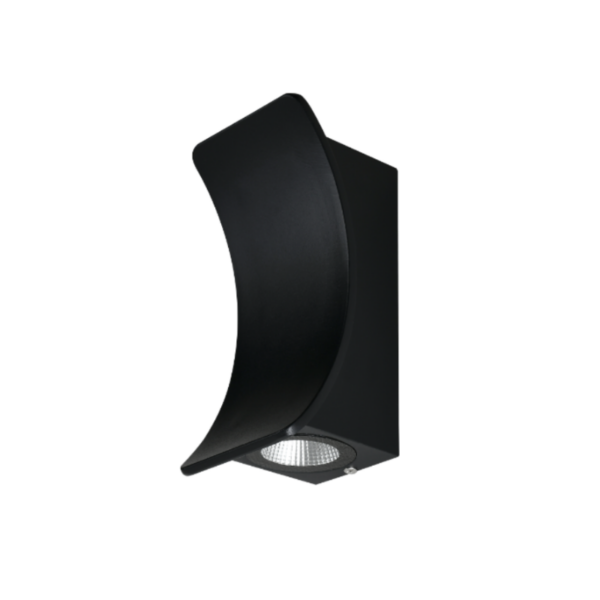
Voltage drop is the quiet thief of brightness: long runs, undersized wire, or too many fixtures on a branch reduce voltage at the LED driver, dimming the lamp and shortening life. Inrush current — the brief rush when an LED driver or sensor wakes — can trip breakers if upstream devices lack the proper trip curve. Surge events from lightning or utility switching can damage electronics unless you fit appropriately rated surge protection devices (SPDs) and follow standards such as IEC 61000-4-5. Use terms like LED driver, wire gauge, and surge protector as the tools of the trade; they’re simple, but they must be used thoughtfully.
Common user-focused mistakes to avoid
Owners and installers often make three repeatable errors: underestimating run lengths, ignoring driver derating, and skipping coordinated overcurrent protection. A typical case: fixtures specified for 2.5 mm² cable, but the route required 30–40 m runs — voltage drop crept in and motion sensors began failing to trigger reliably. Test with the actual load and include a small margin for future expansion. —
Sizing drivers and surge protection: a stepwise approach
1) Map circuits and measure longest run. 2) Choose a wire gauge so voltage drop stays under 3–5% at full load; this protects luminous output and avoids thermal stress on the LED driver. 3) Match driver inrush characteristics to the upstream breaker (type B, C, or D matters). 4) Specify SPDs with clamping voltage below component withstand levels and place them at service entrance and distribution panels for layered protection. Photocells and motion sensor electronics thrive when they see steady supply — a stable driver and coordinated SPD strategy keep nuisance trips and premature failures away.
Hotel-specific realities and a real-world anchor
Hotels face more than technical specs: they must protect guests, preserve curb appeal, and manage operating budgets. Hurricane Sandy (October 2012) exposed how coastal properties suffer extended power disruptions and surge exposure; many hotel operators subsequently upgraded exterior lighting to include enhanced surge protection and resilient power feeds. In retrofit work you’ll balance IP rating for wet locations, thermal management for continuous dusk-to-dawn operation, and serviceability for quick lamp or driver swaps between busy bookings.
Procurement checklist for buyers and specifiers
Use this checklist when you review quotes or select fixtures:
- Voltage drop allowance: specify max percent drop and provide longest run length.
- LED driver specs: efficiency, dimming method, inrush current, and ambient derating curve.
- Surge protection: SPD class, nominal discharge current (In), and clamping voltage.
- Sensor compatibility: sensor trigger voltage and response time matched to driver behavior.
- Documentation: first-article acceptance test, wiring diagram, and maintenance access plan.
Field-testing and common commissioning steps
Commissioning is where the design meets the street. Verify voltage at the driver under full-load, measure inrush on initial switch-on, and perform a continuity and insulation check after installation. Run a simple simulated surge test using manufacturer guidance or verified laboratory reports to ensure SPDs clamp as expected. Keep records; the QA sheet saves sleepless nights when a guest reports flicker at 2 a.m.
Three golden rules for user-centered specification
1) Design from the load back: calculate voltage drop first, then pick the driver and sensor. 2) Layer protection: service-entrance plus subpanel SPDs are smarter than a single point of defense. 3) Test with the actual equipment: field trials on a long run reveal surprises that spreadsheets cannot. These rules reduce callbacks and protect brand reputation — and they point toward suppliers who think in systems, not just fixtures.
Closing advisory and practical metrics
When evaluating proposals, insist on three hard metrics: measured end-of-line voltage under full load (target ≥ 95% of nominal), documented inrush current matched to breaker curve, and SPD clamping voltage below the driver’s rated withstand. Tender these as pass/fail items in the procurement documents and you’ll filter for teams that care about operational uptime.
For commercial projects where reliability and elegant results matter, a partner who understands these trade-offs is invaluable — in practice, brands like Keyida bring product depth and system thinking that tie specification to performance. Steady light. –