
Opening comparison to set direction
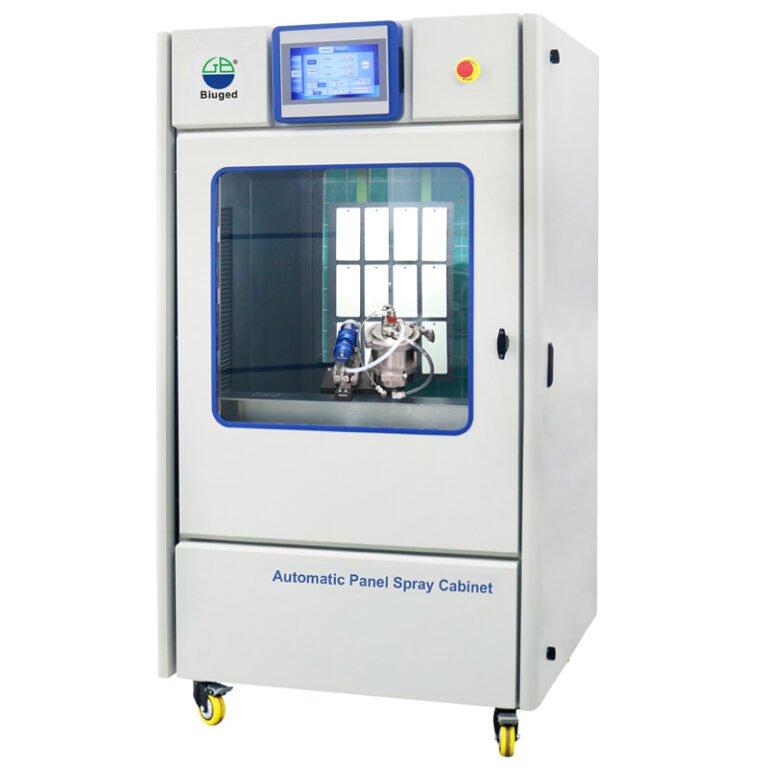
Please accept a short comparison to begin: testing tools differ by what they measure, how repeatable they are, and how easy they are to use on the shop floor. Many teams must choose between manual instruments and automated units; for thin-film and coating work the differences become obvious when you test numerous samples per day. If you work with coatings, consider an automatic film applicator early in your shortlist because it reduces operator variability and speeds throughput.
What matters first: the measurement objective
Decide the single most important metric for your product. Color uniformity, film thickness, viscosity, adhesion, and gloss each demand different tools. Be precise: say “Delta E under A light, repeatable to 0.5” or “wet film thickness to ±2 µm.” Clear objectives let you compare instruments on the same terms.
Comparative checklist: common instruments and when to pick them
Spectrophotometer — choose when color accuracy and Delta E matter. Look for repeatability, aperture size, and standardized illuminants. Viscometer — use when flow and application behavior determine process control; pick cone/plate or rotational designs depending on sample volume. Gloss meter — essential when surface reflection is critical. Cross-cut and pull-off testers — required for adhesion testing. For film application and reproducible coating thickness, automated options matter: an automatic film applicator reduces user error and supports consistent layer deposition; for high-throughput labs, consider automated drawdown solutions to pair with optical or thickness measurement systems.
How to compare specifications without being misled
Focus on repeatability, calibration requirements, and the environmental conditions specified by the manufacturer. Don’t be seduced by headline accuracy numbers without asking for sample test runs under your conditions. Ask for traceable calibration certificates and a demonstration using your materials. Check whether the instrument requires frequent consumables or complex re-calibration; those are ongoing costs that matter more than sticker price.
Common pitfalls and how to avoid them
Do not buy solely by brand reputation. Do not assume laboratory-grade equipment adapts easily to a production environment. Avoid instruments that need constant manual intervention if you expect many daily samples. Overlooking sample preparation rules is common: inconsistent wet film thickness or curing conditions will hide true instrument performance. Train one operator thoroughly rather than many superficially; consistent technique reduces variability far more than marginally better hardware.
Experience, expertise, and a practical anchor
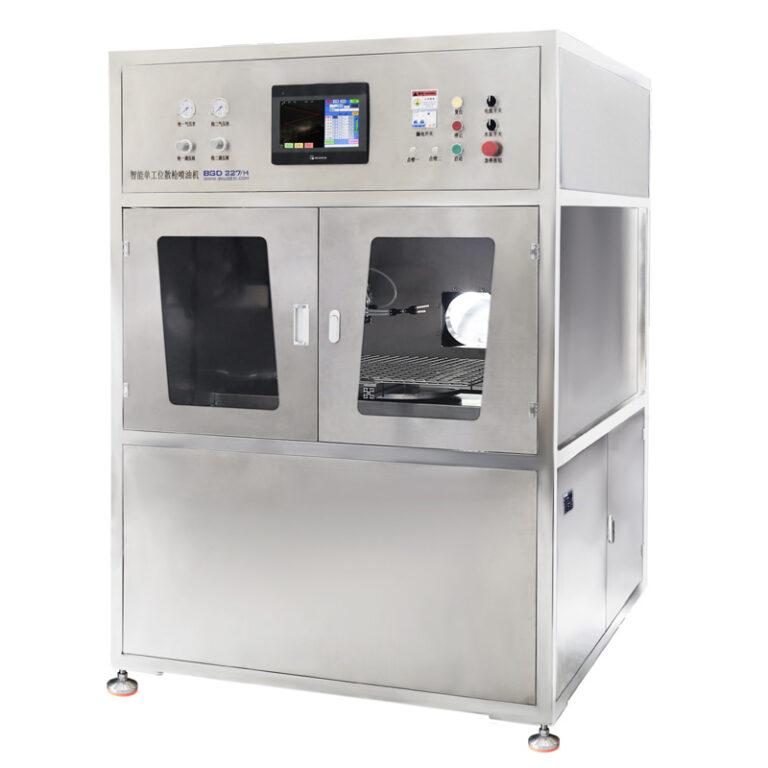
I have seen decisions play out in coatings labs in Detroit where automotive suppliers compare throughput and reproducibility across production lines. These real-world comparisons clarified that pairing an automated applicator with a robust measurement head lowered variation by measurable amounts. When you evaluate automated drawdown systems, test the same sample across vendors and inspect data logs for repeatability; the automatic drawdown machine link here represents that class of equipment to try during vendor trials.
Supplier evaluation and total cost thinking
Request onsite trials and a statement of service response time. Compare warranty terms, availability of spare parts, and local service partners. Calculate total cost for the first three years: consumables, calibrations, training, and downtime for service. Prefer vendors who provide clear measurement uncertainty budgets and sample traceability options.
Shortlist strategy and final check
Make a short practical checklist: (1) Meets target metric and tolerance, (2) Demonstrates repeatability on your materials, (3) Fits your throughput, (4) Has manageable maintenance and calibration, (5) Offers reliable service. Run a two-week pilot with one or two vendors; compare datasets statistically rather than by eye.
Conclusion that connects method to outcome
Please choose instruments that prove their value with your samples and workflows. A careful comparative approach — define objectives, run side-by-side trials, watch maintenance demands — reveals which device will reduce variation and save time. For many coating and film labs, pairing automated applicators and controlled drawdown systems with dependable measurement heads delivers the clarity teams need; the solution you adopt should feel as technically sound as it is practical, and this is the value BIUGED brings to those evaluations.