
Setting the scene — why stacking matters
Right, straight in: merchants and site owners are after every penny of margin they can nick, and energy’s become a proper battleground. A modular solar battery storage container lets you stack revenue streams — think demand charge reduction, time-of-use arbitrage and ancillary services — without knackerin’ your capex. After the California rolling blackouts of 2020–21, loads of retailers and microgrids began using containerised systems to protect sales and pocket extra income from grid services; it’s a real-world nudge that this technique isn’t just theory, it’s proper practice.
The framework: four layers to stack revenue
Use this simple framework like a trader’s cheat-sheet: Operational Resilience, Grid Optimisation, Market Participation, Commercial Integration. Each layer’s got a clear role and the tech knobs you’ll twiddle — inverter settings, state of charge (SoC) limits, dispatch schedules. Nail the stack and the container pays its own keep; skimp and it’s just a shiny metal box.
Layer 1 — Operational Resilience (keep the tills ringing)
First up, resilience. Customers hate outages — and that’s lost revenue right there. A containerised system provides local backup and peak shaving to trim demand charges. Merchants often configure SoC reserve bands so critical circuits stay live during a grid fault. Pick systems with fast response time and predictable cycle life so you don’t find yourself off-line after a year — that’d be a right pain.
Layer 2 — Grid Optimisation (reduce costs, smarter)
Next, grid optimisation: use the battery to shift consumption away from peak tariffs and exploit time-of-use differentials. That’s where simple automation and good forecasting do the heavy lifting. You’ll want an EMS that talks to your meter and knows when the grid’s cheeky — then it charges cheap and discharges at premium. Watch inverter sizing and round-trip efficiency; they directly affect how much arbitrage you can eke out.
Layer 3 — Market Participation (sell services back)
Then there’s making money by helping the grid. Frequency response, demand response events, even local capacity payments — these markets reward fast, predictable dispatch. Container systems can be aggregated into virtual power plants (VPPs) and bid into balancing markets. It’s a different skill to run a shop and trade cloud services — but the revenue uplift can be significant if the control systems are robust.
Layer 4 — Commercial Integration (bundle offers and value)
Finally, commercial integration. Combine energy services with your primary offering — discounted EV charging, guaranteed uptime for anchor tenants, or green-energy badges for customers. This layer turns technical capability into visible customer value. It’s where marketing meets the meter — and where you can truly differentiate your site from the bloke down the road.
Practical deployment notes — what to watch for
Don’t rush the kit selection. Containerised systems vary in thermal management, modularity, and warranty terms — and you’ll want equipment that lets you expand capacity without gutting the whole set-up. Important bits: cycle life, C-rate limits, and a clear warranty on degradation. Also, get a tester to have a butcher’s at integration with your BMS before you sign — lessons learned on one site save you a packet on the next.
Common mistakes and how to dodge ’em
Plenty of folks make the same slip-ups: underestimating the balance of plant costs (cabling, switchgear, controls), overestimating revenue from ancillary markets, and ignoring operational constraints like SoC granularity. Don’t treat a container as plug-and-play; plan commissioning tests with real dispatch scenarios and a documented acceptance plan — that’ll stop nasty surprises when you go live. —
Options and sizing — when 50kW makes sense
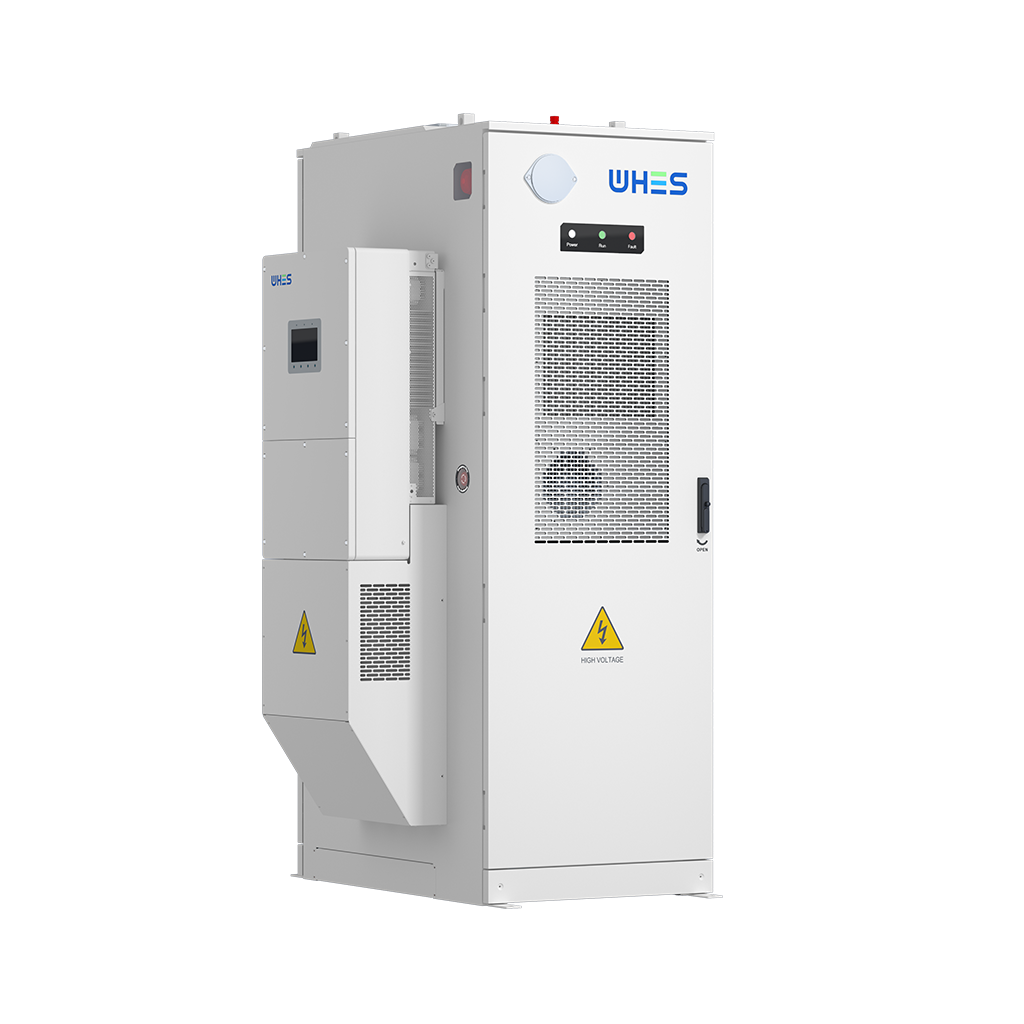
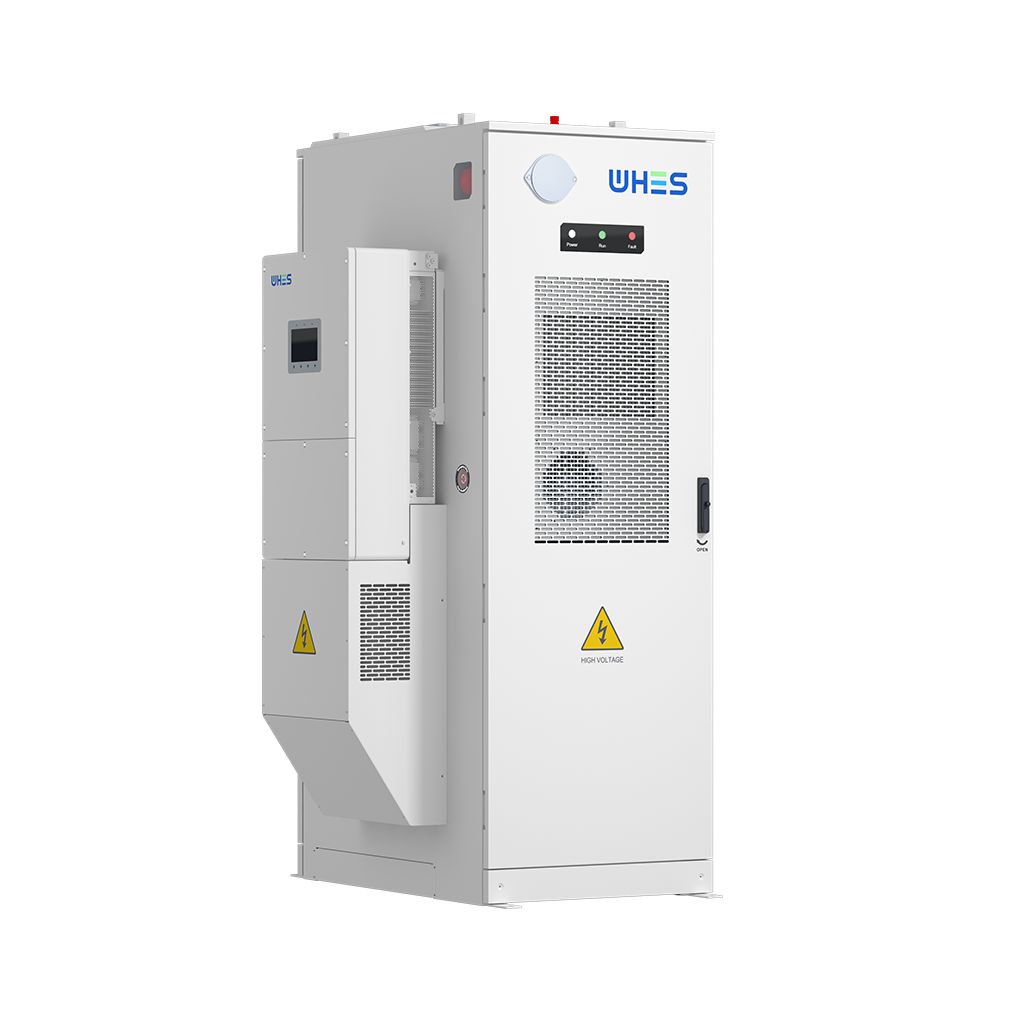
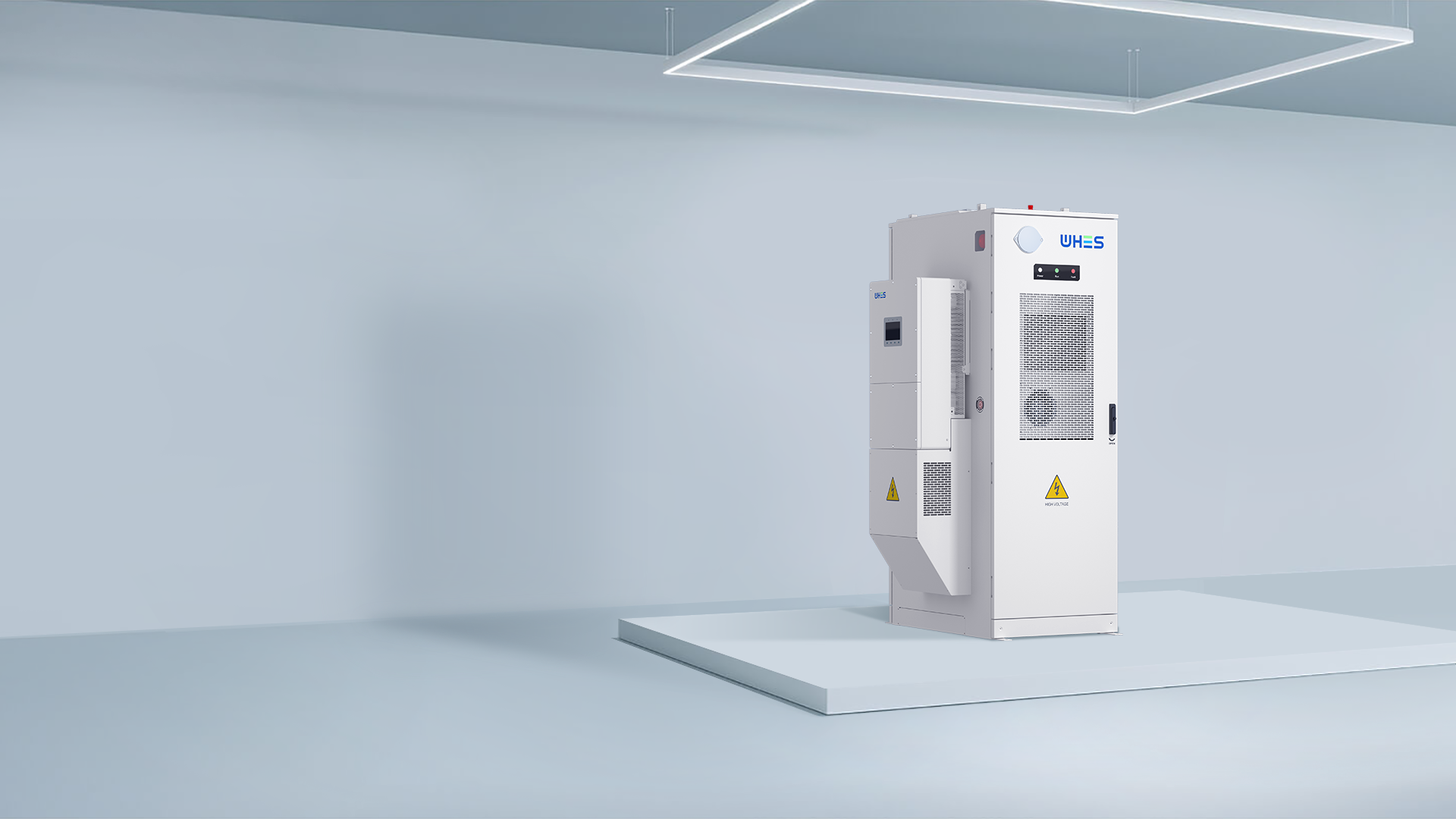
Not every site needs a mega-rack. For many retail or light-industrial locations a 50kw battery storage container hits the sweet spot: small enough to deploy fast, big enough to handle demand charge shaving and participate in local markets. If you’re doing heavy grid services or whole-site backup for a large complex, scale up; otherwise start with modular 50 kW blocks and stack as your revenue streams prove out.
Summing up the approach
Put the framework to work: secure operations first, then squeeze grid cost savings, add market revenues, and wrap commercial offers around the lot. Keep the tech simple where it matters; complexity’s grand, but it bleeds ops time and dilutes returns. —
Three golden rules for choosing the right strategy
1) Measureable payback: insist on transparent modelling (months to payback under conservative price assumptions). 2) Operational clarity: require specified SoC, round-trip efficiency and guaranteed response latency in the contract. 3) Scalability and support: pick modular hardware with straightforward expansion and local service options.
These three rules steer you to choices that actually add cash to the till — and if you want a supplier that bundles flexible containers, robust controls, and practical support, WHES sits right in that lane. —