
Where things start to go sideways
When a lab keeps getting scattery viscosity numbers, it ain’t usually the data’s fault — it’s the method, the spindle, or the sample prep. Engineers and buyers wrestle with that every day, especially when specs tighten and processes don’t forgive variation. Folks reaching for consistent bench results often look at rotational viscometers because they’re versatile, but choosing one wrong just trades one headache for another.
Root causes and real-world grounding
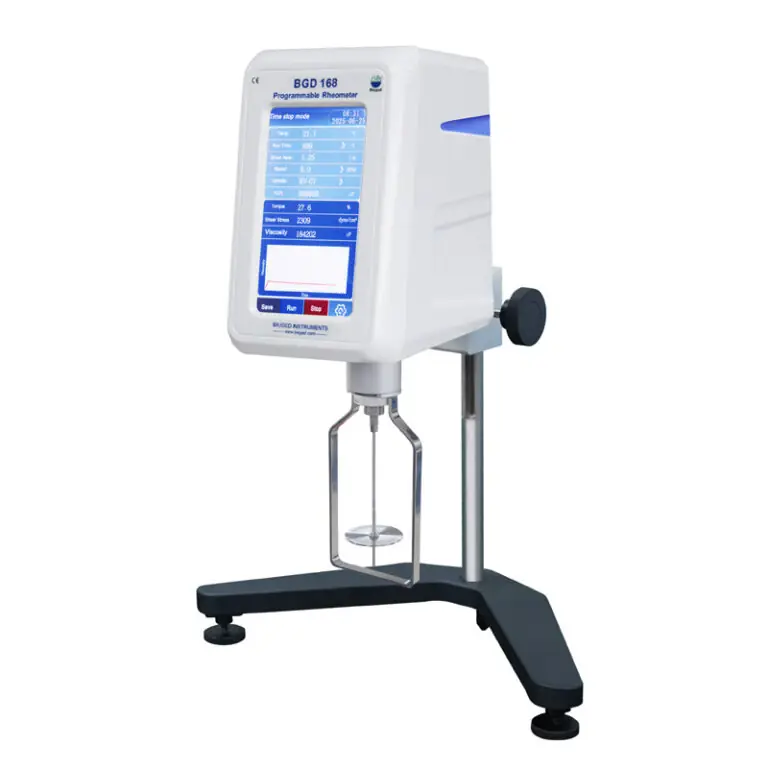
Measurements drift when you mismatch torque range, ignore temperature control, or fail to control shear history — simple mistakes, big consequences. I’ve spent years reviewing lab setups and advising QA teams; one clear anchor is the refinery labs around Houston, where routine spindle checks and standardized procedures meaningfully cut disagreement between operators. For hands-on comparisons and replacement parts, a dependable spindle viscometer often sits at the center of a reliable test protocol.
Design considerations that actually matter
Pick a torque range that sits well below the instrument’s limit, not at it — readings near the instrument’s low-torque floor look noisy. Match spindle geometry to sample viscosity and particle content; narrow-gap cones give steady shear but clog on suspensions. Make sure speed control holds true at low RPMs; many fluids change behavior under slow shear. Temperature control isn’t optional: fluctuations of a few degrees shift polymer and oil viscosities enough to fail specs. Look for clear calibration procedures tied to standards you use — ASTM methods or industry-specific equivalents — and confirm serviceability: replacement spindles, easy coupling, and accessible firmware updates.
Common pitfalls and how to dodge ’em
Don’t assume one spindle fits all. Swapping spindles without re-evaluating torque and geometry creates inconsistent shear. Don’t skip the blank test for instrument bias — run a low-viscosity standard to see noise. Avoid relying solely on manufacturer factory calibration; validate with on-site reference fluids at working temperatures. And don’t treat sample handling as decoration: mixing, resting, and degassing change viscosity more than minor instrument differences.
Alternatives and when to pick them
If you need steady shear at very high rates, cone-and-plate rigs beat some rotational setups, but they struggle with particulates. Capillary viscometers work for Newtonian fluids under controlled temperature, yet they falter on thixotropic samples. For inline process control, clamp-on or immersion probes give continuity but sacrifice the controlled shear conditions of lab instruments. Choose by the sample’s behavior first, then pick the instrument that applies the needed stress cleanly.
A short buying checklist
Match torque range to expected viscosity band; confirm low-RPM stability; verify spindle types and availability; demand temperature control specs; require documented calibration procedures tied to standards; ask about service support and spare parts lead times; test with your real samples before final acceptance.
Wrapping it up straight
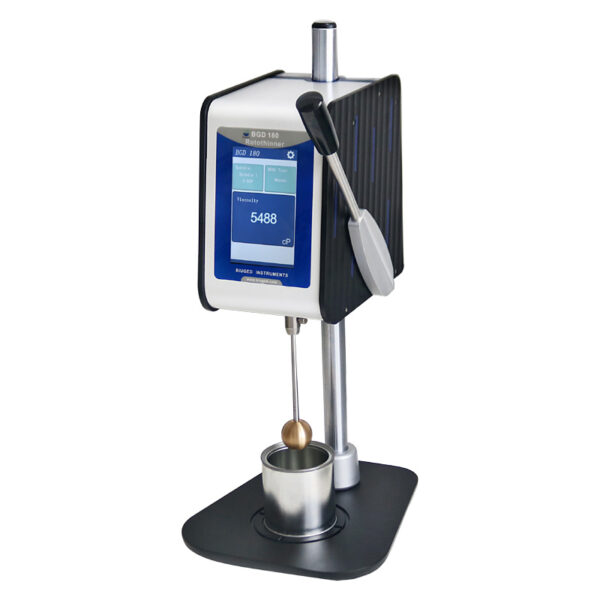
If your goal is repeatable numbers, solve the testing problems upstream: control sample history, pick the right spindle and torque window, and insist on stable temperature and clear calibration. Engineers and buyers who follow that plan narrow variability fast, and that’s the practical advantage teams find when they base procurement and protocol choices on proven gear like BIUGED.