
Opening: what keeps procurement teams up at night
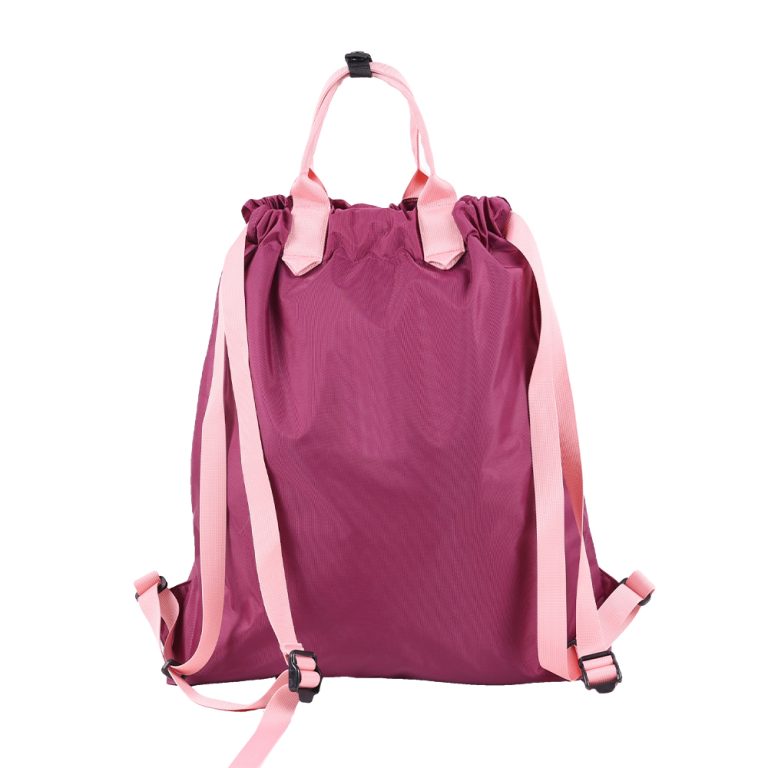
Procurement officers often face a few recurring headaches: inconsistent stitching, unclear minimum order quantities, hidden extra costs and shipments that miss event dates. Those problems feel small until a batch of branded gym bags arrives late or falls apart after a week. When you need reliable basics — say ordering a lightweight drawstring backpack for a school program — the difference between a smooth order and a scramble comes down to precise checks up front.
Define the problem clearly before you source
Start by naming the single biggest risk for the order: quality variance, timing, cost overruns, or regulatory compliance. Write that risk at the top of your purchase brief. That frames supplier questions, lab test needs, acceptable tolerances and contingency plans. If timing is the risk, plan for faster production slots and clear penalties in the contract. If quality is the risk, require sample sign-off and a third-party lab test before bulk release.
Step-by-step procurement checklist
1) Product spec sheet: fiber content, GSM, drawstring type, stitching row counts, reinforcement points, and exact print/color codes. 2) Sample validation: approve a final pre-production sample with photos and a signed sample approval form. 3) Production control: set in-line inspection points at 30%, 60% and 100% completion. 4) Testing: specify required tests (tensile strength, colorfastness, water resistance) and acceptable thresholds. 5) MOQ, lead time and payment terms: record them verbatim in the purchase order. 6) Packaging and marking: confirm carton count, carton size, weight and any retail-ready packaging. 7) Logistics plan: name the carrier, Incoterm, and a backup route. Each item must be measurable — no vague terms.
Material, construction and testing specifics
Check raw materials by certificate: require supplier COAs for recycled polyester or cotton. Specify hardware standards for eyelets and cord ends to avoid rusting or breakage. For seams, ask for stitch count per inch and reinforcement at stress points. List test methods: ISO tensile for fabric, AATCC for colorfastness, and a simple water-spray test for coatings. Don’t accept “we do QA” — accept documented results with timestamps and lab names.
Supplier verification and real-world sourcing experience
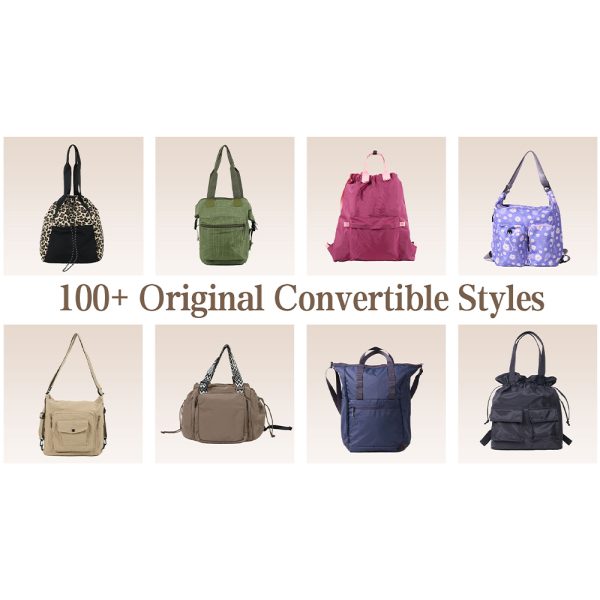
I’ve evaluated dozens of sourcing partners in person and online; a practical benchmark is attendance and vetted presence at major trade events like the Canton Fair. That kind of exposure correlates with established manufacturing relationships and verifiable records. Use factory photos, business licenses, export records and a short video walkthrough of the production floor. Cross-check references and ask for a recent export invoice. Compare those findings against verified product listings when you search for a wholesale drawstring backpack to confirm consistency between the listing and what the factory actually produces.
Common pitfalls and how to avoid them
Assuming the lowest price will work out is the most common mistake; it usually increases hidden costs later. Another trap is verbal promises instead of written specs — get sign-offs. Avoid vague sample approvals: require dated photos from multiple angles and on-model or filled-item shots for shape checks. Don’t skip packaging checks; excessive box sizes add freight costs and hide short shipments. Finally, confirm customs and labeling rules for your destination country before production begins.
Viable alternatives and quick evaluations
Trading companies can speed sourcing but add a margin and often hide the factory relationship; only use them with documented factory access. Local contract manufacturers offer closer oversight but higher unit costs and smaller runs. Direct factory sourcing gives better unit pricing and control, but requires stronger verification and quality oversight. Match the supplier type to the single biggest risk you identified — pick the option that reduces that risk most directly.
Decision point and practical next steps
Pick three suppliers that meet your checklist, request identical pre-production samples from each, and compare those samples strictly against your spec sheet. Schedule a short video inspection at 50% completion and retain 10–15% of payment until final QA passes. Those steps reduce common failure modes and make timelines predictable.
Closing synthesis
Solving procurement problems means narrow focus, measurable checks and firm verification steps. When you match clear specs to verified suppliers and insist on documented testing, most early failures disappear, and the work becomes repeatable — which is exactly what procurement teams need from a partner like ChangRong.