

Framing the comparative decision
Corporate procurement teams deciding between higher upfront investment and lower lifecycle expenses face a tangible trade-off when sourcing custom retail signage. This analysis centers on that trade-off, with specific attention to channel letters as a common, high-visibility option. The Comparative Insight approach here lays out measurable variables—initial material and installation costs, ongoing energy and maintenance, and expected branding lifetime—so teams can convert preferences into return-on-investment metrics.

Core variables that determine ROI
Treat CapEx and operating expenditures (OpEx) as linked variables rather than separate buckets. Initial costs include design, custom fabrication, and installation of face-lit or backlit elements, while OpEx captures electricity for LED modules, scheduled maintenance, and repair cycles for acrylic returns or raceway mounts. A clear specification of expected service life and warranty coverage reduces ambiguity when comparing suppliers.
How to quantify initial CapEx
Itemize all front-loaded costs: structural engineering, permits, fabrication of illuminated channel letters, mounts, transformers, and labor. Use standardized unit pricing per linear foot or per letter to compare bids objectively. When a supplier proposes stud-mounted letters or bespoke metal returns, translate those choices into time-to-install and replacement-cost scenarios so the capital line becomes a predictable input rather than a negotiation talking point.
Calculating lifecycle operational costs
Compute lifecycle costs over a realistic term—five to ten years is standard for external signage. Include energy consumption for LED modules (measured in watts per letter-hour), routine cleaning, periodic repainting or face replacement, and expected component failures. Urban examples like Times Square illustrate the difference: converting older neon to LED backlit channel letters typically reduces both energy draw and unscheduled maintenance, which materially shifts the ROI curve in favor of higher CapEx options when amortized.
Practical considerations and common mistakes
Buyers often undervalue maintenance access and overvalue initial aesthetics. A visually striking installation without accessible power supplies and modular LED modules can double down on OpEx through complicated repairs. Also, warranties that exclude luminous components or fail to specify replacement lead times create hidden costs. —Consider service logistics early; routine lamp swaps and driver replacements are operational realities, not future hypotheticals.
Comparative scenarios that clarify choice
Scenario A: Low CapEx, basic face-lit letters with standard LEDs. Scenario B: Higher CapEx, premium backlit illuminated channel letters with corrosion-resistant returns and plug-and-play LED modules. Run a net-present-value comparison using realistic discount rates and estimated annual maintenance. Often Scenario B recoups the premium within 3–6 years through energy savings and fewer emergency repairs, especially in 24/7 urban environments where visibility drives foot traffic.
Alternatives and vendor selection logic
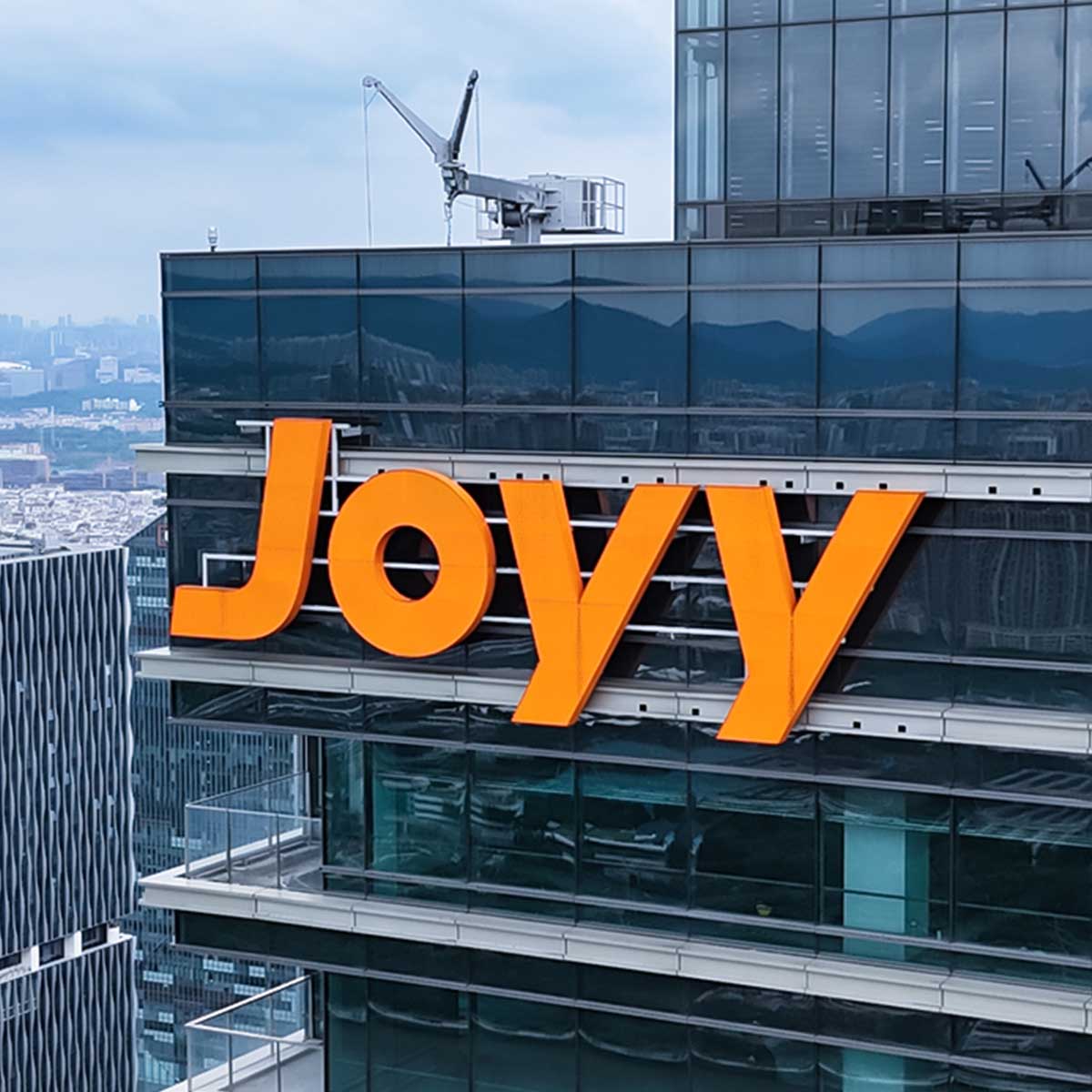
Alternatives to traditional channel letters signs include digital façades, halo-lit variants, and flat-screen signage. Each alters the CapEx/OpEx balance—digital displays raise initial and replacement costs but offer dynamic content control; halo-lit solutions usually sit between face-lit and fully backlit options in both cost and maintenance. Choose vendors that demonstrate consistent material specifications, transparent bill-of-materials, and supply-chain traceability for metal returns and LED drivers.
Advisory: three evaluation metrics for procurement
1) Total Cost of Ownership (TCO) per year: include energy, routine maintenance, and expected replacements to compare apples-to-apples.
2) Mean Time Between Failures (MTBF) for lighting components: higher MTBF lowers emergency maintenance risk and operational disruption.
3) Maintainability Index: rate the design by how easily technicians can access and swap LED modules, drivers, and faces—this predicts real OpEx more reliably than initial aesthetics.
Procurement that applies these metrics will make defensible decisions that align brand objectives with financial discipline. The practical result is fewer surprise repairs, clearer depreciation schedules, and signage that performs its primary job—visible, durable branding—over its full lifecycle. Cosun Sign. —