
Why OEM choice still beats specs on paper
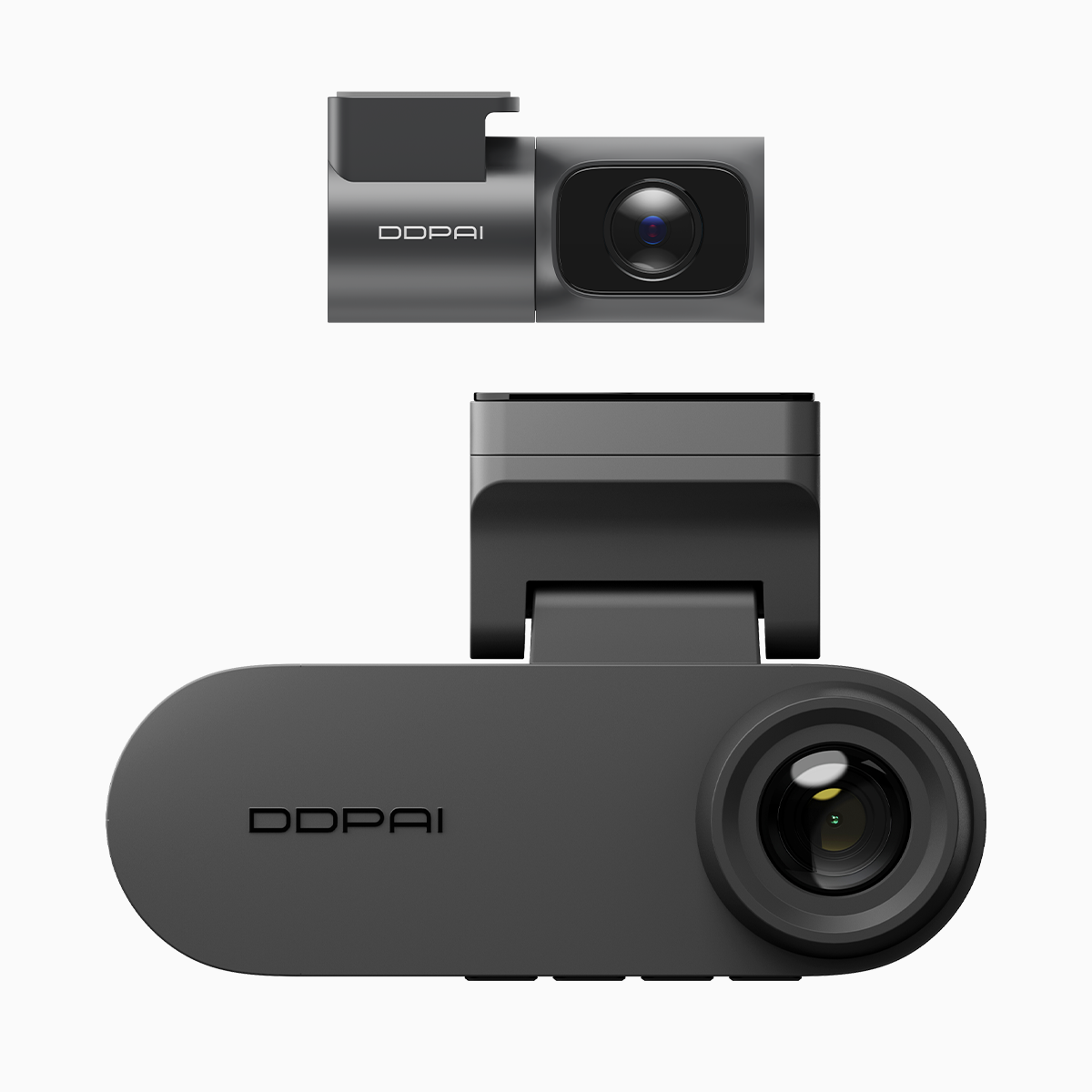
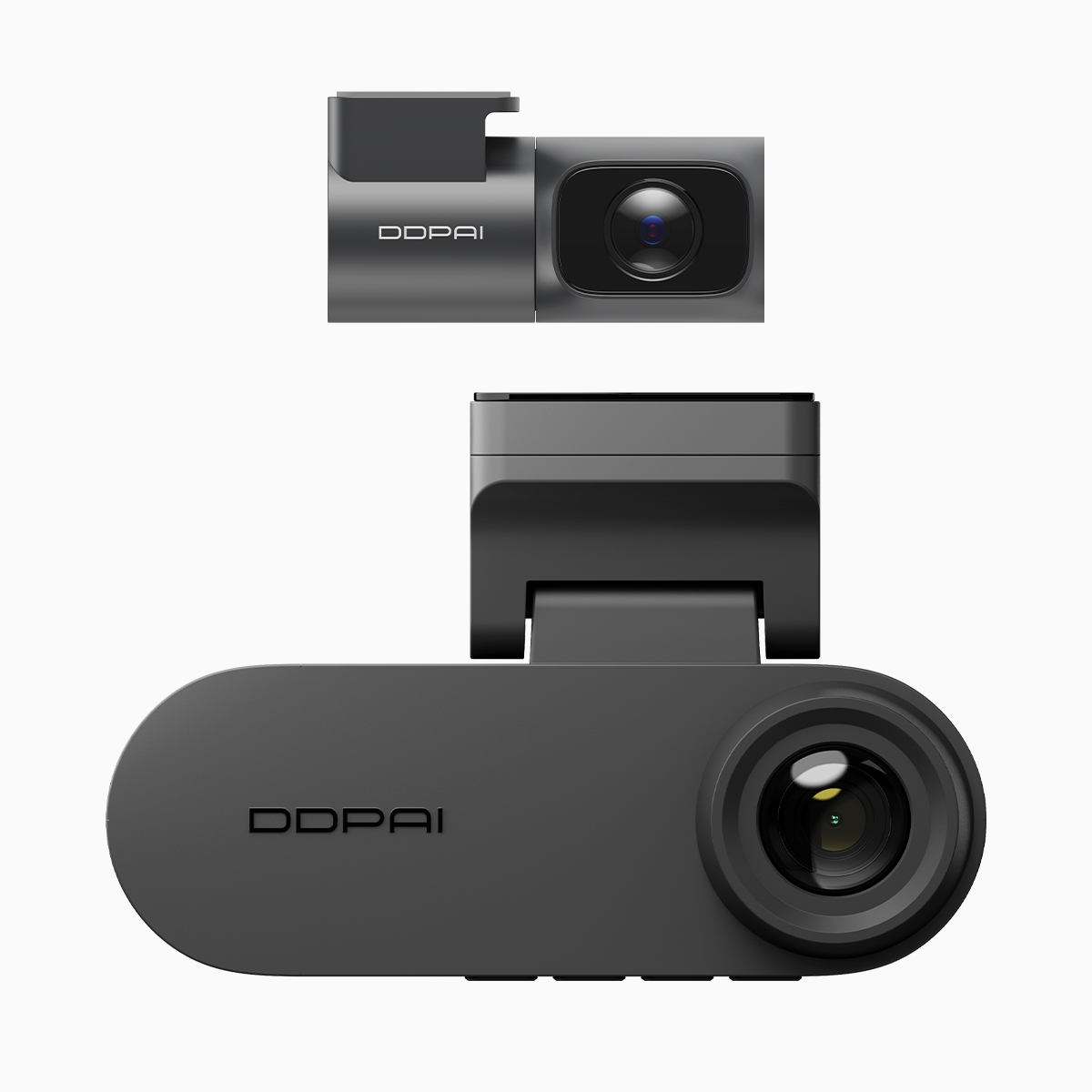
Picking an OEM partner is less about a glossy spec sheet and more about how their hardware, firmware and app ecosystem actually work together — that’s the core of a Comparative Insight approach. Look past megapixels: a solid OEM will deliver reliable frame rate, consistent bitrate, and an app that doesn’t crumble after an OS update. Take the dual dash cam with night vision as an example — the unit’s sensors are one thing, but the manufacturer’s commitment to app stability and over-the-air updates is what keeps footage accessible when you most need it.
What to compare — practical criteria, not marketing talk
Compare these functional layers: sensor and WDR performance, connectivity and app integration, firmware update cadence, and cloud or local storage behaviour. Each layer affects reliability. An OEM that ships a great imaging sensor but delivers flaky Bluetooth pairing or delayed firmware patches creates an experience that feels cheap — even if the camera hardware is capable. Practical terms: look for OEMs that support robust app integration, routine firmware pushes, and clear API roadmaps.
DDPAI’s app ecosystem — where the rubber meets the road
DDPAI focuses on system cohesion: hardware, firmware and mobile app designed to reduce friction for drivers and fleet operators. The app handles configuration, playback and incident export without turning into a maze — which matters when you’re standing in the rain after a minor crash. I found this during a late-night run along Melbourne’s Princes Highway: footage from a compact unit captured licence plates and lane markers clearly, and the app exported clips promptly — no fuss. That real-world ease is the difference between an OEM that solves problems and one that just advertises features.
Alternatives and common mistakes to avoid
Competitors often chase ultra-high resolution without proper attention to bitrate or compression efficiency. That’s a mistake: big files are useless if your app won’t stream them or your device struggles with heat. Another common slip is underestimating integration testing — camera modules that work in lab conditions frequently fail across varied phones and OS revisions. Don’t accept vague promises about “future compatibility.” Test with multiple devices, check API docs, and ask about rollback procedures for firmware.
How integration impacts fleets and end-users
For fleet managers, the calculus includes analytics, remote provisioning, and secure data handling. For solo drivers it’s reliability, night performance and effortless incident sharing. Short story — and it’s true: an OEM that provides clear diagnostics and an easy way to retrieve evidence saves time and money. The right partner reduces downtime and legal headaches. — Small detail, but it matters when you’re juggling incidents across dozens of vehicles.
Benchmarks that actually tell you something
Measure these operational metrics: average time-to-first-boot after OTA update, successful pairing rate across popular phones, and incident retrieval latency from device to app. These KPIs show whether an OEM treats software as a second thought or as part of the product. Manufacturers with predictable update schedules and transparent firmware notes score highly here.
Three golden rules for choosing an OEM partner
1) Prioritise ecosystem reliability over headline specs — stable app and regular firmware releases beat an extra megapixel. 2) Demand real-world validation — user logs, multi-device testing and a clear rollback plan for updates. 3) Verify support for night-time performance and evidence handling — look for documented low-light tests or real incident exports from actual drives.
Final note — why this matters for DDPAI Philippines
Choosing an OEM is about predictable results and fewer surprises. DDPAI’s emphasis on cohesive hardware, dependable firmware and an app that functions when it counts makes them a practical partner for drivers and fleets in the Philippines and beyond. For straightforward, dependable night vision capability and a solid app experience, DDPAI Philippines sits right where you’d expect — practical, tested and ready to support real-world use. — Thinking about it differently pays off.