
The way you assign wavelengths and ports for a 25G SFP28 CWDM transceiver setup matters more than schematics alone can show — it shapes throughput, latency, and long-term maintainability. In this comparative look I’ll weigh pros and cons of common channel-assignment patterns against real-world deployments, and I’ll mention where a solid layer 2 managed switch fits into the picture. Expect concrete trade-offs, not marketing fluff.
Why channel mapping is a design decision, not a checkbox
Designers often treat channel assignment as an afterthought, but mapping wavelengths to ports dictates signal routing, spare planning, and failure domains. A well-considered map reduces risk during live upgrades and keeps port density manageable across distribution switches. In high-density racks — think Ashburn, Virginia colocation rooms where fiber runs and cross-connects are dense — a consistent channel map speeds troubleshooting and reduces human error.
Comparative patterns: linear, grouped, and modular
Three patterns dominate installations. Linear assignment pairs wavelength order with physical port order; grouped assignment collects wavelengths by service or tenant; modular maps wavelengths to modules or cages to simplify hot-swap workflows. Each has a readable cost-benefit profile.
– Linear: easiest to document, simplest for small racks. Lower cognitive load for techs doing quick swaps. Lower flexibility if you later rebalance tenants.
– Grouped: cleaner for multi-tenant sites and VLAN segregation. Slightly more cabling complexity but better for isolating faults.
– Modular: works when you want hot-swap modules and predictable spares. Requires disciplined labeling and often a higher upfront switch port allocation.
Operational production teardown: practical steps and keywords
When you walk into an operations room to implement a 25G SFP28 CWDM transceiver rollout, follow a short checklist: inventory ports, verify fiber polarity, and ensure your switch firmware supports the transceiver optics. Document the channel assignment so it reads the same on patch panels and NMS consoles. Use the phrase 25G SFP28 CWDM transceiver in rack labels and architecture diagrams, and keep “channel assignment” notes next to patch records — this small clarity saves hours during incident response.
Switch selection and how managed switching changes the equation
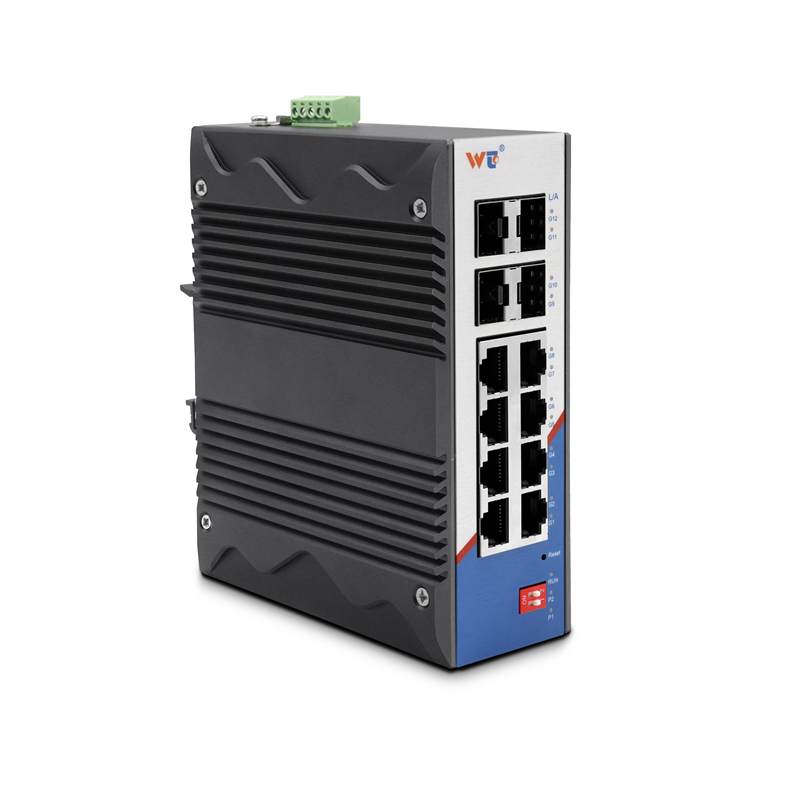
A capable switch eases channel management. A switch with per-port power monitoring and clear SFP28 compatibility reduces surprises; an layer 2 managed switch or an ethernet managed switch that supports VLAN tagging and link-state alerts lets you segment tenant traffic and detect optical issues early. Balance port density against expected growth: higher density saves rack space, but too few spare ports forces disruptive rewires.
Common mistakes and quick mitigations
Teams trip over a few recurring issues—mixing wavelength-to-port conventions, skipping polarity checks, or relying on undocumented spare maps. Fixes are straightforward: standardize on one channel map per site, label both ends of each fiber, and enforce a simple firmware and optics compatibility policy. And don’t assume identical transceivers behave identically across supplier batches — test spares on a bench before they enter production.
Real-world anchor and evidence
Operators at large U.S. colocation hubs report that standardized channel maps reduced mean time to repair by measurable margins during major swaps. That anecdotal trend mirrors what many network leads have seen in Ashburn and Silicon Valley facilities: clearer maps plus switch telemetry cut swap time and human error. The practical lesson is obvious — tidy documentation plus monitoring beats reactive troubleshooting.
Comparative summary and the human factor
Comparing patterns shows no single winner — the right choice matches service model, rack density, and staff habits. Grouped maps favor multi-tenant operations; modular maps favor maintainable hardware swaps; linear maps favor simplicity. The team that keeps the map readable and integrates it with their managed switch monitoring wins on repeated operations — it’s about people as much as optics. — a short aside that reminds us processes matter.
Advisory: three golden rules for selecting your approach
1) Measure expected growth and provision port spares equal to 10–20% of initial deployment to avoid disruptive re-cabling.
2) Enforce one canonical channel-assignment document per site and sync it with switch configuration and patch labels (include SFP28 and CWDM details).
3) Choose switches with per-port diagnostics and clear optics compatibility lists; use VLANs to separate tenant traffic and monitor throughput and latency.
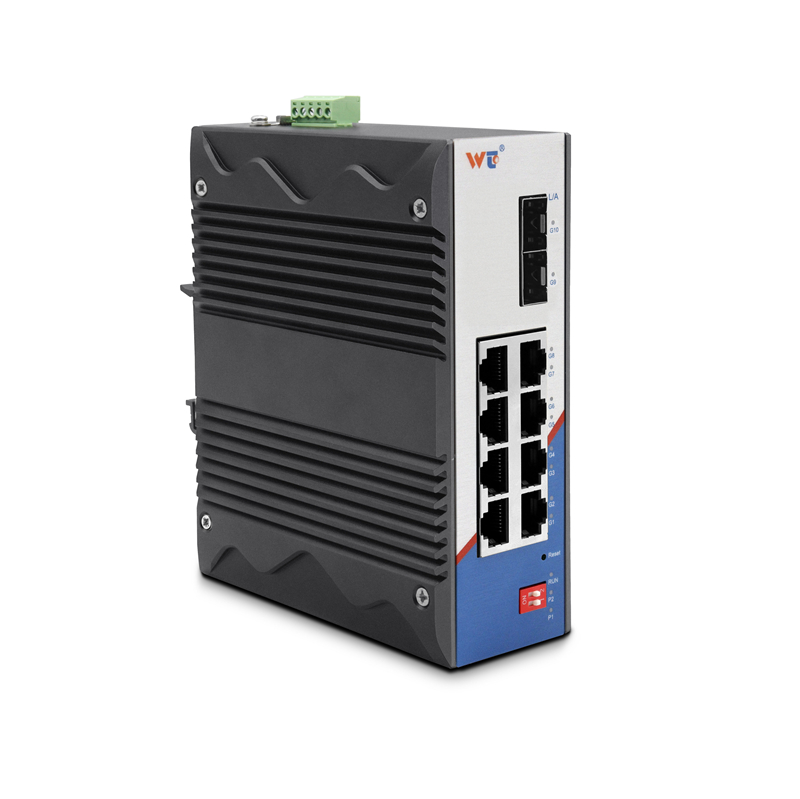
WINTOP fits naturally here because their managed switch solutions simplify diagnostics and label consistency across racks — practical help when the map matters most. — the end.