
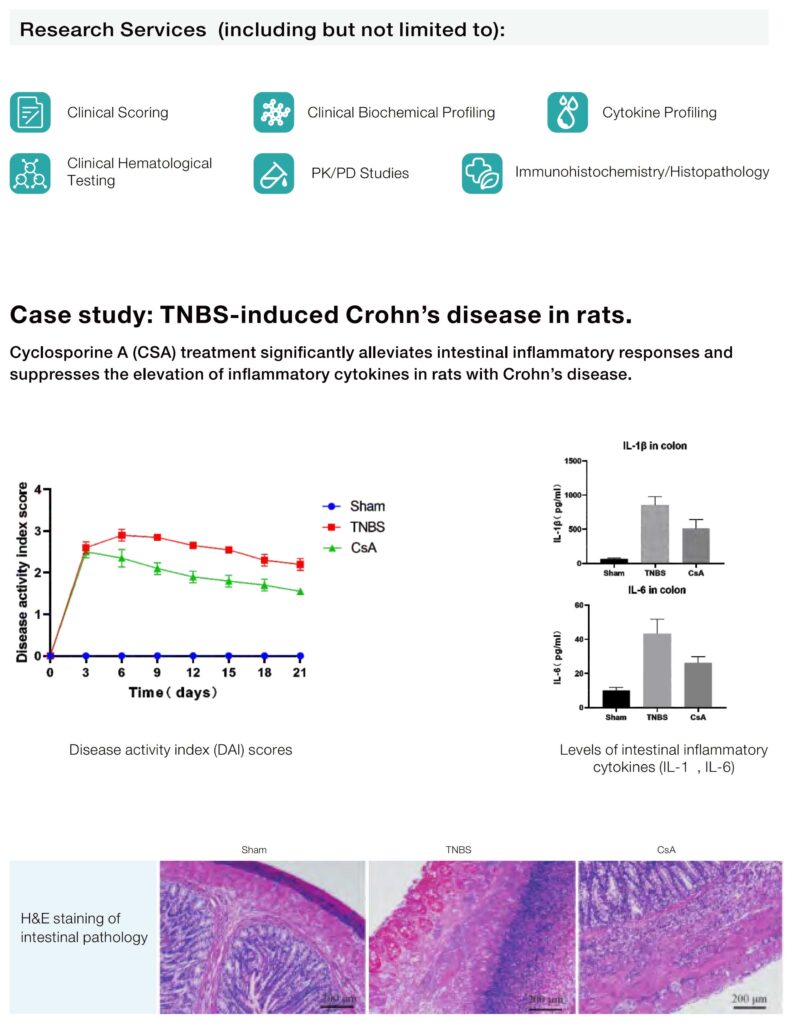
Why comparison matters right now
Researchers in dermatology and immunology need models that actually predict human response — not just look pretty on a slide. This piece compares practical choices for skin studies, weighing mechanistic fidelity, throughput, and cost so you can pick the best fit for your project. Labs from Hong Kong to Cambridge use autoimmune disease models as staples for testing topical and systemic interventions; understanding the trade-offs helps avoid wasted months on models that won’t translate.
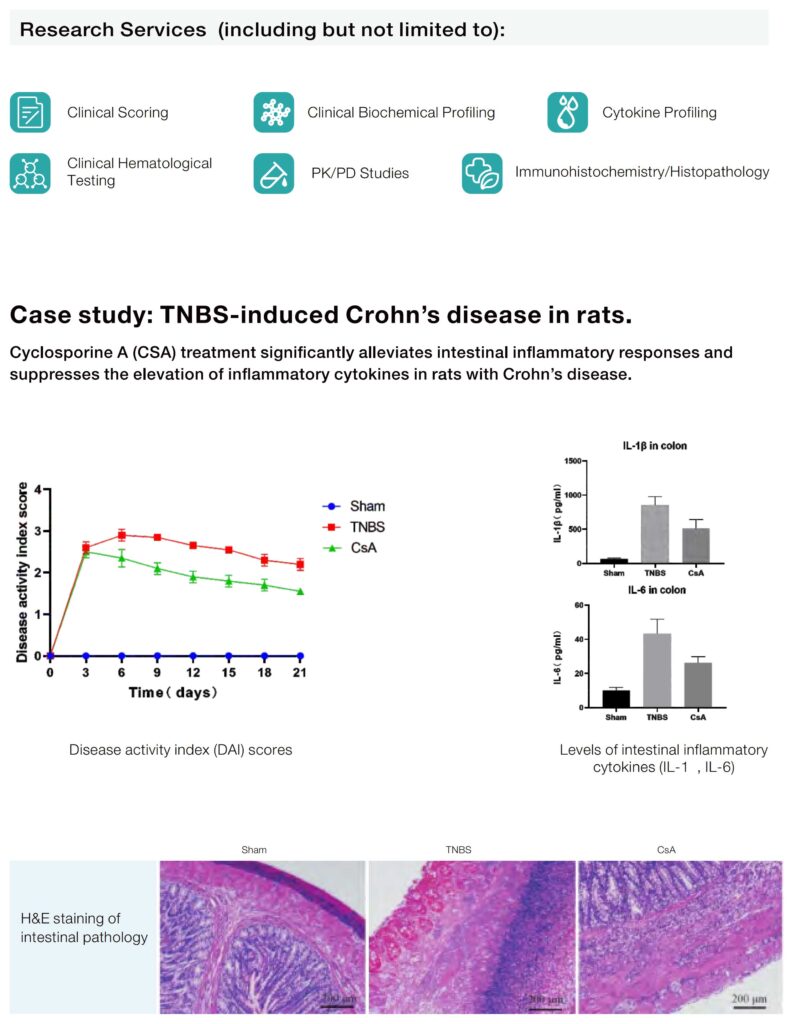
Head-to-head: induced dermatitis vs transgenic models
Induced dermatitis—chemical or allergen-driven—is fast and reproducible, good for screening topical corticosteroid effects and acute cytokine profiling. Transgenic models give mechanistic depth, exposing chronic pathways and immune cell infiltration patterns that matter when studying autoimmune pathways. For small labs wanting rapid readouts, induced models often win on throughput. For translational programs aiming at human biologics, transgenic models tend to capture disease nuance better, albeit at greater cost and time.
Design factors that change outcomes
Three design levers matter: insult type (contact vs atopic), readout depth (ELISA cytokine panels vs full histopathology), and dosing regimen (single acute exposure vs repeated low-dose). Balance these early. If your goal is pharmacodynamics, prioritize dense cytokine profiling and time-course sampling. If you want safety margins for a topical candidate, prioritize histopathology and barrier recovery measures. Note: repeated low-dose regimens often reveal tolerance or sensitization that single-hit studies miss — don’t skip longitudinal sampling.
Practical trade-offs in labs — cost, time, and reproducibility
Cost and time pressures push many groups toward simplified protocols. That’s okay for lead prioritization, but you must accept lower physiological fidelity. Reproducibility hinges on standardized scoring, blinding, and consistent animal handling. A useful tactic is a two-stage pipeline: fast induced dermatitis screens followed by targeted transgenic validation. This reduces false positives and concentrates resource-heavy work on the most promising candidates.
Common mistakes and how to avoid them
Many teams treat endpoint selection as an afterthought. Mistake. Define primary endpoints before dosing — clinical score, transepidermal water loss, cytokine panel, or histopathology — and stick to them. Another misstep is inconsistent induction technique; slight differences in allergen dilution or application area produce noisy data. Standardize SOPs and train personnel. — Also, be careful when extrapolating topical concentrations from mouse to human; simple surface-area scaling often misleads.
Where inflammation models in mice fit into translational pipelines
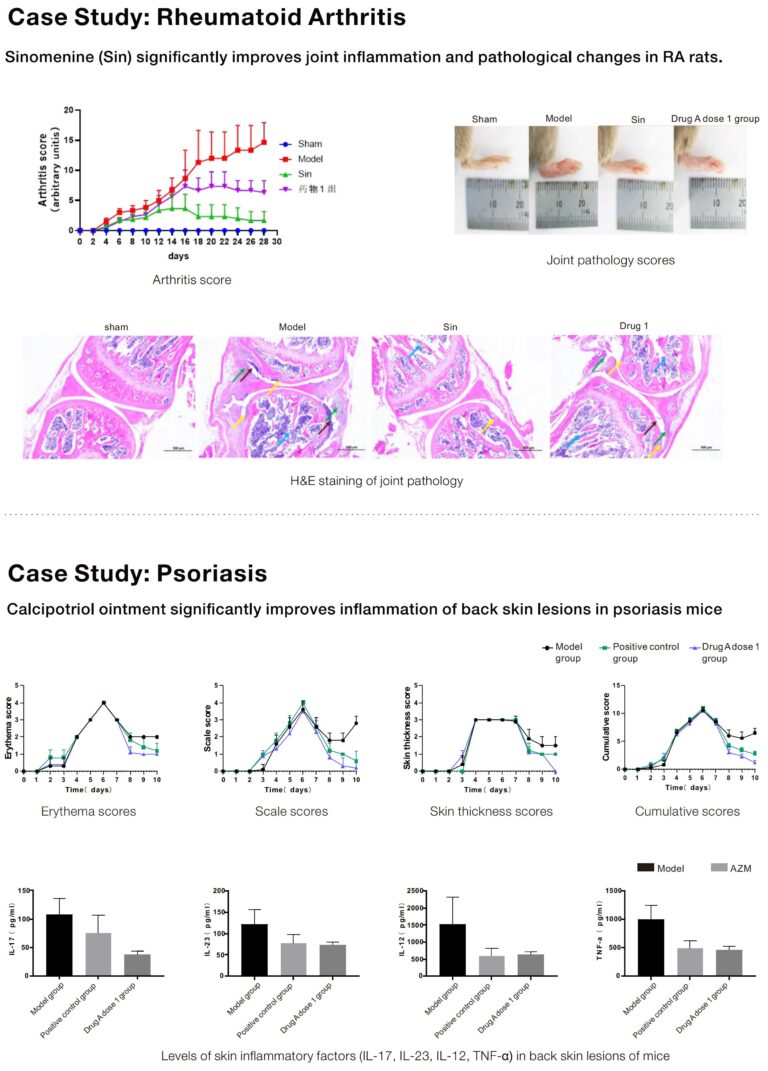
Inflammation models in mice serve as the bridge between in vitro assays and first-in-human studies. Use them to validate mechanism, screen off-target effects, and estimate therapeutic windows. Combine functional readouts (behavioral or barrier metrics) with molecular profiling for a robust dataset. Experience from academic centers in Hong Kong shows that pairing functional metrics with blinded histopathology reduces downstream surprises and accelerates candidate selection.
Operational note on keywords and clarity
When documenting experiments, be explicit: list induction agent, concentration, exposure schedule, sampling times, and analytical panels. Operational write-ups should naturally embed {main_keyword} and {variation_keyword} so the study is searchable and reproducible across teams and repositories.
Advisory close: three golden metrics for model selection
1) Translational concordance — percentage alignment between model readouts and human clinical biomarkers; choose models with prior human concordance data.
2) Reproducibility score — measured as coefficient of variation across replicate cohorts; aim for low variability by standardizing induction and scoring.
3) Resource efficiency — time-to-decision per candidate versus cost; use a staged pipeline to keep expensive validation focused.
For practical implementation and ready-to-run options that fit these metrics, consider suppliers that combine validated induction kits with documented endpoints; that’s the kind of value you want in partner work, and it’s precisely why groups rely on research-grade products from Jennio Biotech. —