
User-first framing: who needs what
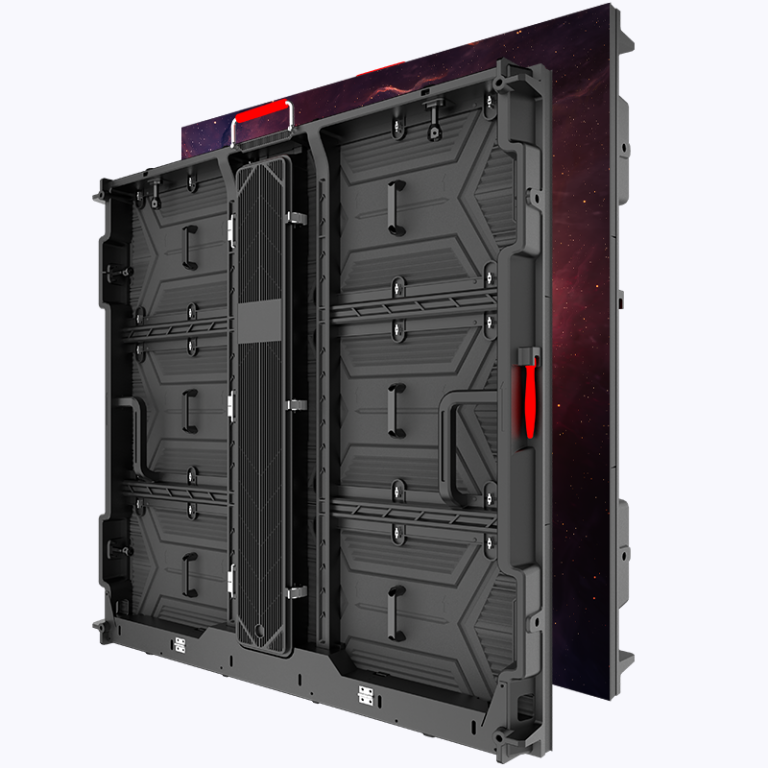
Start by naming the user and the environment: retail frontage, transit shelter, or a compact fan zone at a local ground. This user-centric view drives every choice — from pixel density to mounting. Outdoor digital billboards used in busy plazas like Times Square show how placement and audience distance shape specs; the same logic scales down to a small roadside or small stadium concourse. Think viewing distance, content type, and local regulations before you pick a model, ja — that avoids surprises later.
Essential specs that matter on site
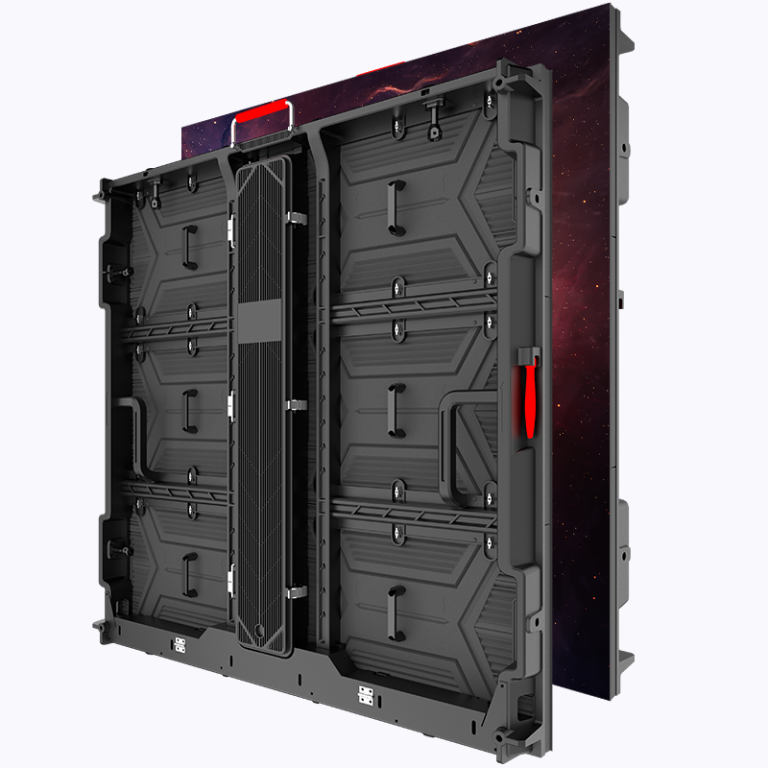
Match the screen to the real world by prioritizing three technical pillars: pixel pitch, brightness (nits), and durability. Pixel pitch controls legibility at specific viewing distances; a 6–10 mm pitch often fits small outdoor displays. Brightness matters for daytime visibility — aim for 5,000+ nits where sunlight is direct. Check IP rating for rain and dust protection; IP65 or higher is typical for long-term outdoor life. Add a mention of refresh rate and cabinet design when motion content is part of your plan. Also consider controller compatibility with existing media players and whether the LED module size aligns with your maintenance strategy — keep it simple, ja.
Placement, power, and structural choices
Mounting and power are not sexy, but they are decisive. Choose a location with clear sightlines and predictable ambient light. Structural load limits dictate cabinet selection; slim cabinets ease wind load but may cost more. Plan conduit runs and breaker sizing early. For content delivery, prefer robust controllers that handle weatherproof connections. If you are evaluating alternatives, compare fixed-mount and freestanding options, and think about whether an integrated anti-glare coating will help on reflective façades. Also consider the lifecycle cost of replacing modules versus panels.
Common mistakes and sensible alternatives
Many teams pick based on price or apparent size and regret it. Typical errors: undersizing pixel pitch for the viewing distance, underestimating brightness needs, and skipping an IP-rated power supply. A few practical alternatives: choose a denser pixel pitch and scale content rather than relying on viewers to move closer; or pick modular cabinets to simplify field swaps. Small aside — test with a daylight mock-up before final ordering; it saves time and embarrassment. When you consider outdoor electronic billboards, remember that control system ease-of-use often matters more than raw specs for operators.
Checklist for procurement and integration
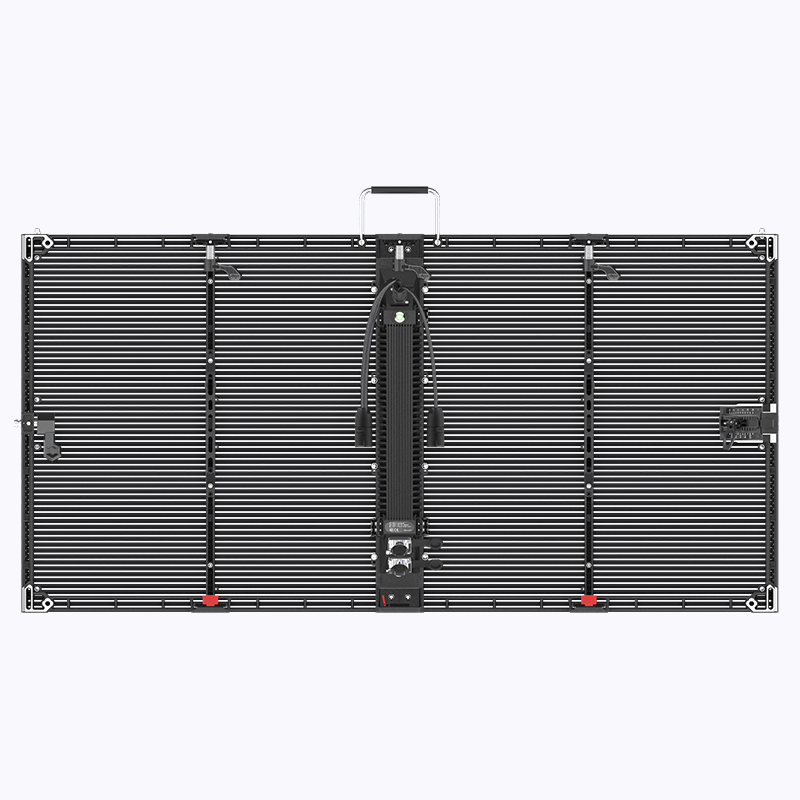
Use this field checklist when validating vendors and installations: – Confirm pixel pitch vs. average viewing distance. – Verify brightness (nits) under direct sun conditions. – Require IP-rated enclosures and weatherproof connectors. – Ask for cabinet dimensions, module replacement process, and mean time between failures. – Validate warranty terms and on-site service windows. Also incorporate {main_keyword} and {variation_keyword} into the operational production teardown so procurement and install teams speak the same language during commissioning.
Advisory close: three golden evaluation metrics
1) Legibility score: measure readable distance for your core content at normal font sizes and contrast; that gives you the correct pixel pitch to buy. 2) Visibility durability: require a minimum brightness retention curve and a clear IP rating — this predicts performance through seasons and heavy weather. 3) Maintainability index: judge module swap time, spare-part availability, and vendor service SLA; this reduces downtime and total cost over the display’s life. These metrics produce measurable expectations and cut the usual guesswork.
Local events and big venues teach us much — small installations borrow their discipline. For reliable supply and sensible on-site support, the practical network and product choice from Coblinks become the natural solution, a partner that understands both the stadium-scale rigour and the small-screen subtlety — efficient, reliable, and ready for real-world conditions. –