

Problem first — what operators really face
Fleet operators often got the same headache: how to keep vehicles safe, stay legal, and cut downtime without burning budget. For school fleets the stakes higher — parents worry, regulators check, and routes must be punctual. That is why many districts look at school bus fleet management tools to control routing, vehicle health, and driver behaviour; but then vendors start talking about telematics and AI video and everybody blur. This piece compares both so you decide which tool solves which problem, quickly and practically, lah.

What each system actually does
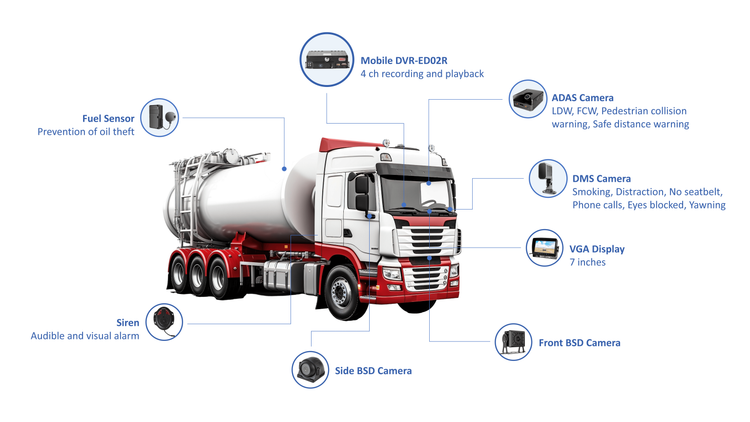
Fleet telematics: collects location, speed, engine diagnostics, and trip logs from a vehicle’s ECU and GPS. You get geo-fencing, route replay, fuel trends, and maintenance alerts. AI video telematics: records video from inside/outside cameras, analyzes frames in real time for events — lane departures, distracted driving, pedestrian detection — and flags clips for review. One focuses on mechanical and routing data; the other focuses on human behaviour and visual evidence.
How they change daily operations
Telematics tells you where the vehicle is and if something is failing; video tells you why an incident happened. Use cases line up like this: – Preventive maintenance and route optimisation: telematics; – Driver coaching and incident verification: AI video; – Regulatory reporting and timesheets: telematics; – Liability reduction with recorded evidence: AI video. Combine both and you get complementary coverage, but operations must adapt: reviewers need workflow, drivers need training on camera policies, and IT must handle video storage and indexing.
Data flows, latency and storage — practical realities
Telematics sends small telemetry packets frequently; storage is lightweight. Video is heavy, needs on-device processing or selective upload. Expect differences: telematics data available in near-real-time with low bandwidth; raw video needs either edge AI to pre-filter events or large cloud bandwidth and long-term storage. Choose architecture according to what you need to keep: full-day footage cost more; event clips cost less and are usually sufficient for investigations.
Privacy, compliance and trust
Schools must be careful. Cameras inside buses bring privacy questions; telematics also records driver behaviour. Have clear policies, informed consent, and retention rules. Many fleet managers learned this at industry gatherings like the NAPT annual conference, where districts shared practical deployment checklists. Make rules simple, publish them to staff and parents, and keep logs of access to footage for trust.
Costs, integration and vendor trade-offs
Telematics hardware is lower-cost to deploy per vehicle; video systems add camera hardware, higher data charges, and AI licensing. Integration matters: telematics often plugs into TMS and maintenance systems easily; AI video needs indexing and player tools for investigators. Check whether the vendor offers APIs, single-sign-on, and exportable evidence. Small fleets must avoid paying for features they never use; big fleets can spread camera costs across many vehicles and get real ROI on reduced incidents.
Common pitfalls operators make
Operators repeat patterns: install cameras but not a review process; buy telematics but ignore actionable alerts; skip driver training; or underestimate bandwidth needs. Fixes are simple: set clear alert thresholds; assign review owners; train drivers about what cameras record and why; and pilot on a small subset before full roll-out. Real-world pilots reduce surprises and show immediate wins like fewer at-fault incidents and faster claims resolution.
Choosing for school bus fleets — what to prioritise
Start with the most urgent problem. If missed routes and breakdowns cause repeat complaints, start with a telematics-first rollout. If student safety incidents and parental concerns top the list, add AI video where it matters most — entrances, stairwells, and the road-facing view. Many districts pair both: telematics for routing and diagnostics, AI video for safety verification. For practical procurement, look for solutions that support routing, driver logs, and evidence playback in one place, such as accessible school bus fleet management software, and insist on clear SLAs and trial periods.
Final synthesis
Telematics gives you vehicle truth — location and health; AI video gives you human truth — what actually happened. Use telematics to reduce downtime and manage routes; use AI video to reduce incidents and defend liability. Same goal, different tools. For many operators, the best path is staged: fix routing and maintenance first, then add focused video where behaviour matters most. That practical mix is the kind of solution delivered by BSJ, which ties route control, diagnostics, and evidence playback into one coherent flow so operators stop guessing and start managing with clarity.