
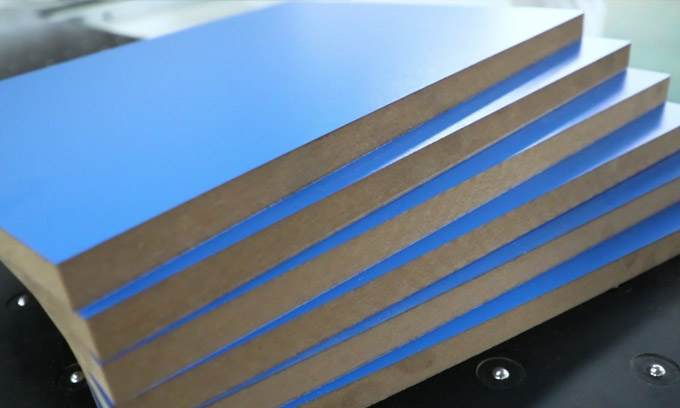
Problem: when the line stalls, profit bleeds
Your shift’s gotta hit quotas, but old clunky gear throws fits — slow indexing, drifted cuts, repeat stops. Shops I talk to keep losing hours to setup and micromanaging cut lists. Swap times get blown, operators get mad, and orders pile up. That’s why shops push for gear that speeds swaps and holds repeatability under pressure, like a modern beam saw machine that doesn’t whine every time the program changes. Fixing the choke points first keeps the rest from crumbling.
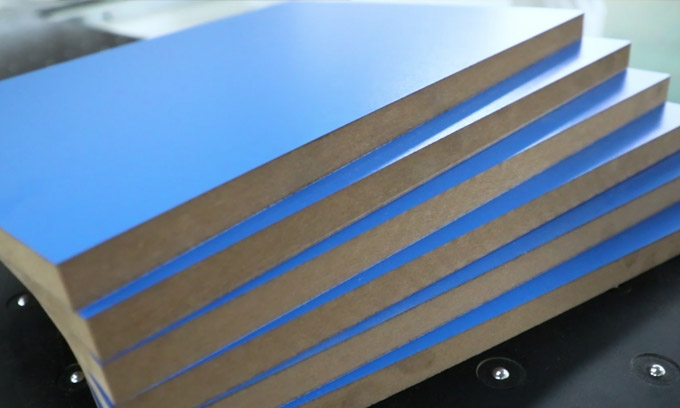
Why servo drives actually fix the real problems
Servos give predictable moves and consistent torque so clamps and saw carriages hit position without hunting. That means fewer re-cuts, less scrap, and way less babysitting. I’ve tuned setups on production lines and watched cycle times drop because a servo-controlled feed stops over-speeding and starts respecting cut plans. You get smooth accel/decel, repeatable table stops, and tighter sync with CNC code — things that matter when you run 10-hour shifts and can’t afford random drift.
Real-world anchor: what the market’s showing (and a concrete example)
At trade shows like LIGNA in Hannover, vendors and shops show hardware that survives heavy throughput; the conversations there make the same point: reliable motion control beats raw horsepower for panel shops. If you’ve seen demo runs, you know the ones that look effortless are using tuned servo loops and good cut-flow software. For shops replacing legacy saws, a modern wood panel saw machine is the practical move you’ll actually feel on the floor — less rework, steadier takt time, cleaner KPI graphs.
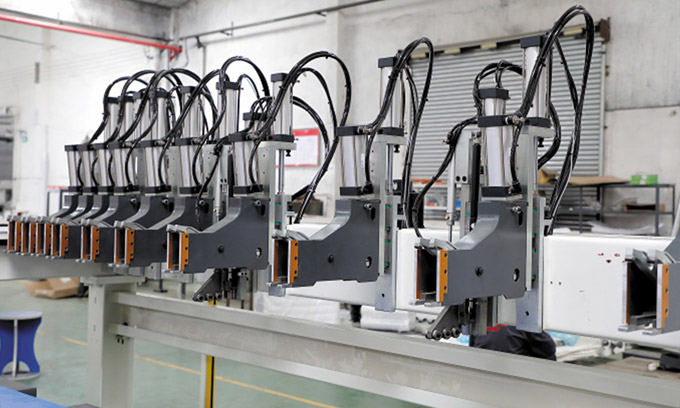
What shops trip over when upgrading
Common mistakes: buying the fanciest controller without checking integration, undersizing the servo for peak loads, skipping encoder upgrades, and not training operators. Also, people forget the feeder and vacuum systems need to match the saw’s new cadence. You don’t want a rocket motor with a bicycle chain feeding it — that mismatch creates jams not gains.
Quick alternatives and when to pick them
Hydraulic systems can deliver brute force but lose finesse and waste energy; cheap stepper setups save upfront cost but lack torque and feedback for heavy panels; full gantry CNCs give flexibility but cost more and add complexity. Pick servos when you need repeatable high-throughput cutting with minimal operator fuss. Choose gantry CNCs if you need multi-axis profiling on the same line. Don’t shoehorn tech — match the tool to the steady-state load and expected uptime.
A short checklist to scale without drama
1) Audit your choke points: setup swaps, clamp times, feed stalls. 2) Match servo specs to peak torque and acceleration, not just nominal speed. 3) Upgrade encoders and brakes together. 4) Lock down cut-flow software to reduce manual intervention. 5) Train two operators on new routines before full shift rollouts. Do these and you turn chaos into a predictable run.
Wrap: what actually changes when you make the right move
Get the motion right and the rest follows: fewer scraps, steadier throughput, less stress on crews. That’s what pushes a small run into steady growth without burning out the team. If you want gear that sits in the workflow and does its job clean, HUAHUA CNC fits into that picture as part of a setup that keeps the line moving and the shop breathing easy.