
The problem that keeps shop owners up at night
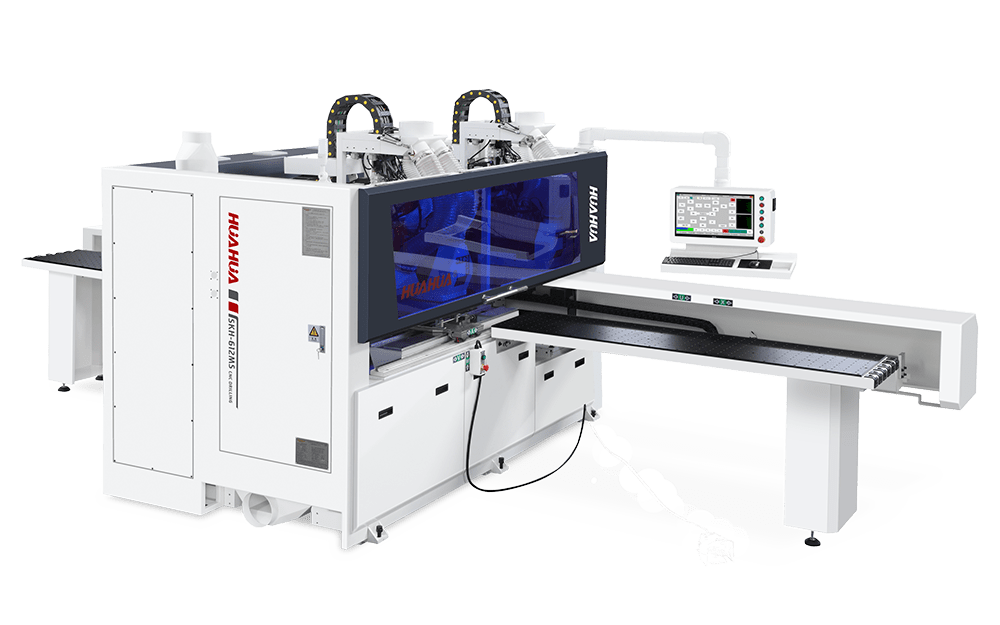
Your line stalls because edge finishing is a bottleneck: glue blobs, rework, and slow changeovers eat capacity and margins. I started my first shop with a mindset to scale, and the surprise was never design — it was finishing. If your CNC input is precise but the edge work isn’t, the whole job looks amateur. That gap shows up next to drilling stations and router cells; we actually swapped notes with a supplier at IWF Atlanta and watched how adept CNC cells paired with dedicated feeders; if you’re sizing equipment, consider the upstream workflow around a cnc drilling machine so you don’t build a faster bottleneck downstream.

What’s breaking on the shop floor
Edging errors create scrap. Manual touch-ups cost time. Glue temperature swings and inconsistent pressure give you pop-offs weeks later. Operators waste minutes wrestling roll stock and adjusting trim heads. Small shops feel this first because they can’t hide inefficiency under volume. The result is late deliveries and chipped reputation — clients notice edge quality before pricing.
How local pre-glued edgebander solutions attack the root causes
Pre-glued edgebanders eliminate on-the-spot glue handling and trim guesswork. They reduce operator steps: feed, align, press, trim. That cuts variation and accelerates throughput. Running locally means faster service, parts on hand, and setup tailored to your MDF, solid wood, or wrapped panels. A local partner adapts pressure, speed, and edge feed rates to your exact material mix rather than forcing one-size settings that cause micro-failures every day.
Real-world proof and practical experience
At IWF in Atlanta exhibitors showed integrated lines where drilling, routing, and edge work flow without manual handoffs; watching those demos made clear how a single misaligned edge process ruins an otherwise automated cell. My team has set up lines in regional shops and noticed consistent gains when pre-glued edgebanders replaced hot-melt stations: fewer callbacks, lower adhesive waste, and cleaner inventory. For teams planning layout around drilling or hole patterns, pairing the right edgebander with your wood drilling machine matters as much as selecting the drill itself.
Alternatives — quick, honest comparison
Manual hot-melt banding: cheap upfront, variable results, high labor. Inline solvent systems: higher control, regulatory hassles. Outsourcing edgebanding: avoids capital expense but adds lead time and fragile handoffs. Pre-glued edgebanders: higher upfront cost, predictable output, minimal operator skill required. Choose based on cadence: high-mix shops often win with pre-glued units because changeovers are simpler and defect rates drop.
Common pitfalls and how to avoid them
Picking a machine by price alone. Not mapping takt time against your CNC output. Using generic pressure/temperature settings. Ignoring edge stock inventory management. Train operators on one repeatable setup. Validate with a short pilot run at production speed. Insist on local spare parts and service windows so a simple trim-head fault doesn’t stop the entire line.

A practical checklist to implement fast
1) Measure your current edge cycle time per panel. 2) Match that to expected loads from your CNC and drilling cells. 3) Choose pre-glued models with adjustable pressure and quick-change trim heads. 4) Reserve local service and spares. 5) Run a pilot week and log rework rates. These steps avoid overbuying and prevent downtime surprises.
Where this leads you — tangible value, not hype
If you want reliable output and fewer reworks, local pre-glued edgebander solutions stop the bleed at the edge and let your CNC and drilling work show. The result is cleaner panels, steadier lead times, and predictable labor. For shops that need machines and local support aligned to their workflow, HUAHUA CNC builds and integrates equipment that makes the edge process a dependable part of the production chain rather than the part you dread touching.