
Why this matters to you
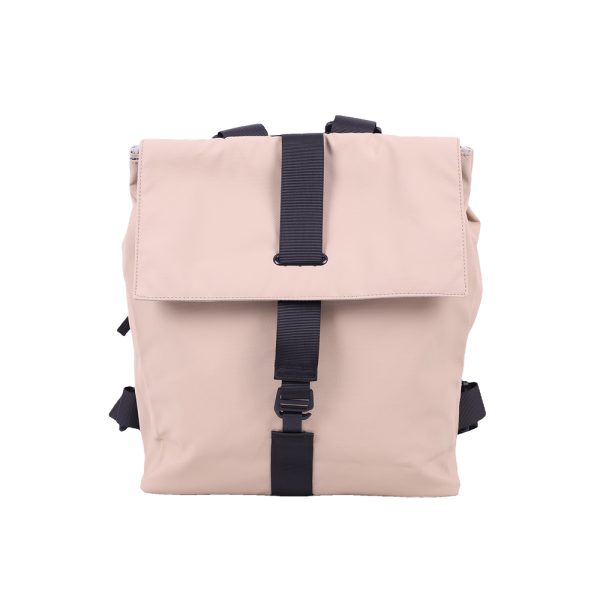
You need a bag that fits daily habits, not a mass-market compromise. A custom backpack manufacturer designs, sources, and produces packs to your specifications—size, pockets, materials, hardware and branding. If you’re chasing modularity or rapid reconfiguration, consider a modular backpack from the start; asking for modular features up front saves time and reduces costly revisions later.
What a user-focused manufacturer actually does
They listen to your use-cases, draft technical sketches, recommend fabrics and trims, produce samples, and run small production batches before scaling. Expect concrete milestones: tech pack, proto, pre-production sample, and a QC-approved run. You keep control over function and appearance while the factory handles sourcing, compliance checks, and production logistics.
How to choose one — a buyer’s workflow
Start with clear use-cases: daily commute, travel, outdoor work, or tech carry. Share capacity, organization needs, and weight limits. Request material swatches and a tech pack template. Approve a working prototype and test it for at least two weeks for load, zipper function, strap comfort and pocket usefulness. Only sign off when those practical points pass. This direct workflow reduces surprises and speeds iterations.
Materials, hardware and staging questions to ask
Ask for denier and coating details for fabrics; YKK or equivalent for zippers; pull strength ratings for webbing and buckles. Specify padding thickness for back panels and shoulder straps in millimeters. Require lab reports for water resistance or flame retardancy when relevant. If you want RFID pockets or a dedicated laptop compartment, describe device dimensions precisely.
Experience and evidence you can verify
Manufacturers that supply reputable brands or show audited factory reports are safer partners. Industry professionals at the Outdoor Retailer trade show regularly discuss field-tested durability and standards, and you should expect similar evidence from a supplier—lab test certificates, inspection reports, and direct client references. For hands-on comparison while you decide, review the features of the best edc backpack for men to see common design choices that succeed in both city and field use.
Common pitfalls buyers make
Don’t accept vague specs. “Good zipper” isn’t a spec. Don’t skip a physical prototype because photos can’t show strap comfort or pocket access. Avoid agreeing to tight lead times before a sample run; rushed production increases defects. Don’t ignore minimum order quantities and total landed cost—shipping, duties, and inspections add up.
Alternatives and realistic trade-offs
OEM (white-label) suppliers let you rebrand existing models quickly but limit customization. ODM offers moderate changes to an existing template. Fully custom manufacturing gives you complete control but costs more and takes longer. Decide by volume and uniqueness needed: go custom for signature features, choose ODM/OEM to reduce development cost and time.
Practical checklist before you place an order
Confirm: 1) detailed tech pack with dimensions, tolerances and materials; 2) approved prototype tested under intended use; 3) supplier provides QC and lab certificates; 4) clear payment, lead time, and penalty clauses for defects; 5) packing and labeling instructions. Keep one person accountable on both sides to prevent miscommunication.
Final synthesis
Choose a manufacturer who answers your functional questions directly and supports measurable testing; that approach protects time and budget. When your priority is practical, tested solutions rather than promises, you get reliable results—and that practical value is what I’ve found repeatedly matters most when sourcing custom packs from partners like ChangRong.