
Framing the problem
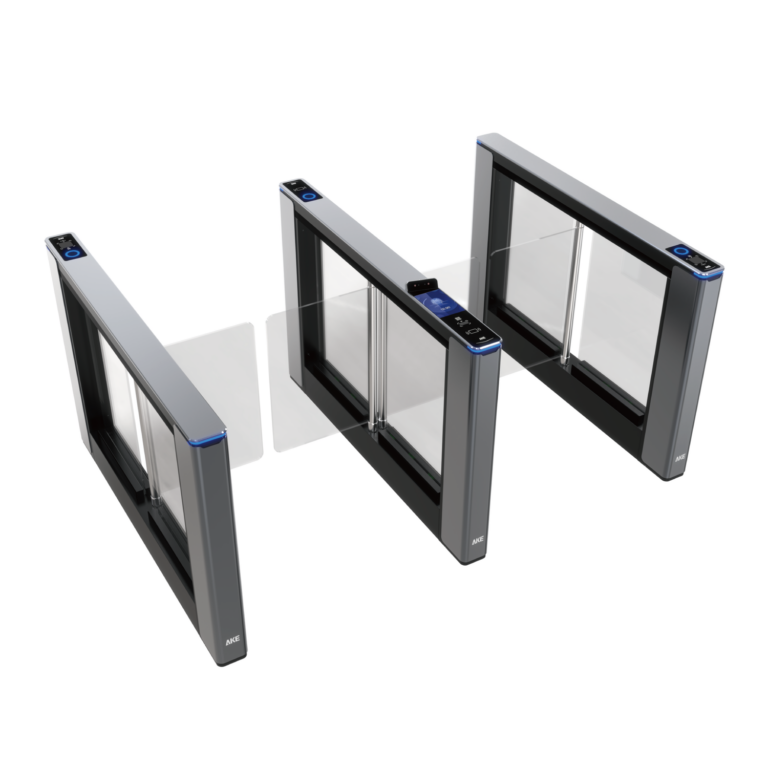
Projects stall when access hardware doesn’t meet throughput or integration needs; spec sheets promise but field results differ. Buyers commonly pick devices by price or appearance and later discover mismatched cycle rates, unreliable sensors, or control systems that won’t talk to the site software. A focused component — like a reliable speed gate turnstile — often separates a stable deployment from repeated downtime.
Evidence, experience and a single real-world anchor
I consult on municipal and private-sector access projects and have audited installs where poor choices drove months of remedial work. Consider the extensive turnstile modernization programs run by New York City’s MTA: planners there prioritized validated throughput and control integration to handle millions of daily entries. That same discipline — testing and validating devices for real pedestrian volumes — is what separates successful rollouts; practical attention to pedestrian access control prevents bottlenecks and warranty disputes.
Hard technical criteria to demand
Require concrete metrics, not vague claims. Ask for: maximum continuous throughput (people/minute), sensor type and detection accuracy, MTBF or expected operational hours, environmental rating (IP, temperature), standard protocols (TCP/IP, RS-485, Wiegand, OCPP where relevant), firmware update paths, and diagnostic interfaces. Verify certifications (CE, UL) and provide an explicit spare-parts list with lead times.

Common procurement mistakes and how to avoid them
Don’t accept vendor promises alone. Mistakes repeat when teams: under-estimate peak concurrent flows; ignore electromagnetic or Wi‑Fi interference during testing; skip factory acceptance tests; or buy first-article units without a staged site pilot. Require performance logs from a pilot, insist on clear responsibilities for software integration, and specify acceptance criteria tied to measured throughput and false-trigger rates.
Evaluating alternatives and their trade-offs
Choose by function. Full-height turnstiles score for anti-tailgate security but slow egress and require more space. Swing speed gates combine dignified appearance with medium-to-high throughput; simpler waist-high turnstiles are cost-effective for lower-risk sites. For vehicle entry, barrier arms excel for in/out control but won’t solve pedestrian flows. Match the device class to measured user patterns and maintenance capacity.
Contract, testing and OEM clauses that matter
Write clear acceptance tests into contracts: factory acceptance test (FAT) with simulated loads, on-site acceptance test (SAT) during expected peak, and remedy timelines for failures found during the warranty window. Stipulate firmware escrow or update guarantees, an initial spares kit, and response SLAs for on-site faults. Require training for local technicians and a documented maintenance schedule tied to real MTBF figures.
Decision checklist for buyers and project leads
Prioritize measurable outcomes: test throughput in situ, validate APIs against the building management system, demand a spare-parts list, and schedule a pilot that runs through a real daily peak. Avoid decisions based on imagery or isolated demo rooms. When vendors show field reports and clear diagnostics, procurement risk falls sharply.
Summary and practical next step
Fix the problem by specifying measurable performance, insisting on FAT/SAT, and aligning maintenance and spare parts with expected load. For many projects I review, engineers use vendor documentation and field data from trusted suppliers as a baseline for specification and testing, and they frequently reference AKE Parking materials when defining component performance and support expectations.