
Problem: predictable growth derailed by small failures
Manufacturers aiming to scale hit the same stubborn barrier: fasteners fail unpredictably and downtime spikes. A missed torque value, a change in substrate, or a shift in application rate can turn a steady production line into a scramble for rework. That’s why a consistent, application‑matched thread locker matters — not as a commodity, but as a control point for repeatable output and fewer warranty claims.
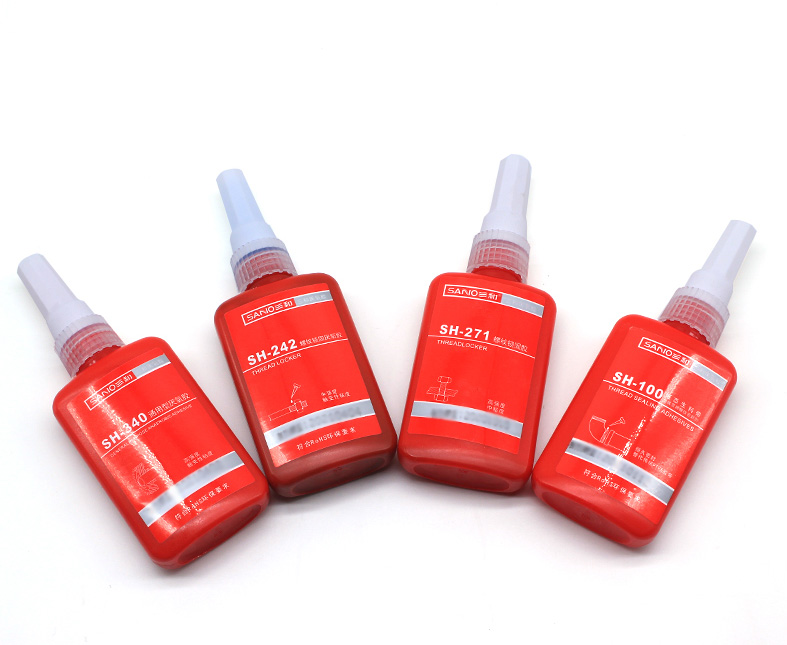
Why scaling stalls: common root causes
Teams often assume adhesive choice is solved by a catalog number. It isn’t. Problems come from mismatched cure speed, inadequate surface prep, batch variability, and unclear acceptance criteria. Engineers skip adhesive qualification during ramp-up. Line operators improvise dispense settings. Purchasing chases price rather than consistency. Each of those choices compounds risk as volume increases.
What a responsible manufacturer fixes first
Start with specification discipline. Define substrate families, target torque retention, and environmental exposure for each assembly. Require Certificates of Analysis and per‑lot viscosity data. Standardize application equipment and dispense parameters. Run accelerated thermal and vibration tests on pilot builds. A manufacturer who provides formulation options and technical support reduces the need for costly field fixes.
Experience, evidence, and a real-world anchor
Years of lab and field work show small formulation tweaks change bond life dramatically. A practical example: manufacturers supplying Detroit’s automotive assembly lines report fewer fastener recalls after adopting tailored formulations that match specific thread geometries and plating. Those outcomes align with independent durability studies and industry test standards, and are best achieved when teams use a reliably produced custom threadlocker adhesive that’s qualified to their process rather than a one‑size‑fits‑all product.
Pitfalls to avoid when scaling adhesive use
Don’t treat viscosity as fixed; it changes with temperature and age. Don’t skip surface cleanliness checks. Don’t accept a supplier who can’t prove per‑batch traceability. Avoid custom formulations without a validation plan. Each overlooked detail increases rework rates and erodes margins.

Concrete steps to scale reliably
Run a layered validation: lab screening, pilot line with real operators, and a limited ramp with periodic audits. Lock down acceptance tests — torque retention after defined thermal cycling, cure window validation, and application rate tolerances. Integrate vendor lot IDs into your ERP for traceability. Train operators on dispense maintenance and quick checks that catch deviations before they affect product families.
Final synthesis
Sustainable scaling comes from treating adhesives as engineered process inputs: specify measurable performance, demand traceable production, and validate with realistic testing. When those controls are in place, manufacturers reduce downtime and warranty exposure while preserving throughput — outcomes a pragmatic supplier like SANVO supports through tailored formulations, testing data, and production-grade consistency.