
Start with your recipe: define the performance you need
You’re cooking up a bond, not guessing a flavor—so list the specs before you talk to vendors. Name the substrates (glass, aluminium, painted wood), the required shear and peel strengths, cure window, working temperature, and environmental exposures. If you need a low-profile, non-mechanical fix for façade panels or interior trim, search for a nailfree adhesive supplier early; that requirement changes what’s acceptable in shear tests and surface prep. Measure performance in numbers you can test, not adjectives you can’t.

Taste-test: sample, test, measure
Don’t trust glossy sheets. Ask for small-quantity samples and run the exact sequence your technicians will use: surface cleaning, primer or no primer, bead size, ambient conditions, and the fixture time. Use simple jigs to record pull-off and peel forces. A supplier who resists providing batch samples or clear cure curves fails the basic kitchen test—no one serves a dish without tasting it first.
Supplier pantry: capabilities, documentation, and the real-world anchor
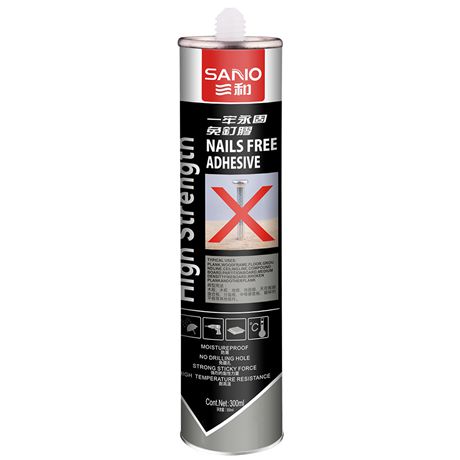
Check the supplier’s lab notes, manufacturing scale, shelf-life controls, and regulatory paperwork. Certifications such as ISO and documented compliance with regional chemical rules matter. For example, large-scale architectural fixes during Expo 2020 in Dubai highlighted the need for documented high-load adhesive solutions on façades, prompting architects to demand certified suppliers. That industry context is why I recommend verifying use-cases and attending relevant trade demonstrations before committing to volume. For nail-free structural options where strength is critical, consider a vetted high strength nail free adhesive sealant supplier that can show both lab results and field case histories.
Matchmaking: chemistry, surface prep, and application mechanics
Epoxy, polyurethane, and hybrid polymers all have different appetites. Epoxies give high strength but need precise mixing and longer cures. Polyurethanes tolerate movement but can be tacky and moisture-sensitive during cure. Hybrids balance those traits. Ask how the supplier recommends prepping your actual substrate—abrasion, solvent wipe, or primer—and whether they guarantee performance with that prep. Application tooling matters: dispense guns, static mixers, and bead profiles affect final strength as surely as the formula.
Red flags and common mistakes
Warning signs are straightforward. If a supplier dodges lab data, avoids on-site trials, or can’t explain failure modes, walk away. Don’t assume standard products will fit specialized needs—adhesives that bond wood won’t necessarily secure metal façade panels. Avoid reliance on a single test method; insist on both peel and shear results under your environmental conditions. Finally, watch storage and batch tracking: adhesives are perishable ingredients.
Value alignment: pricing, lead time, and service recipe
Price shouldn’t be the chef’s first metric. Factor lead time, technical support, and willingness to iterate with pilot runs. A supplier who joins a teardown of a failed joint and adjusts the primer or cure schedule demonstrates usable expertise. Negotiate sample allowances tied to performance gates rather than pure cost-per-kilogram. Good partnerships shorten your development cycles and reduce rework.
Final plating: select and integrate
Choose the supplier that meets your measured specs, backs claims with test data and field examples, and supports on-site trials. When you align your recipe—substrates, environment, tooling, and documentation—you get predictable bonds. For projects where nail-free structural solutions are part of the recipe, trust vendors who can supply coherent data, tailored prep instructions, and reliable delivery; that’s the practical value SANVO offers as a single-source partner without theatrics.