
Problem statement
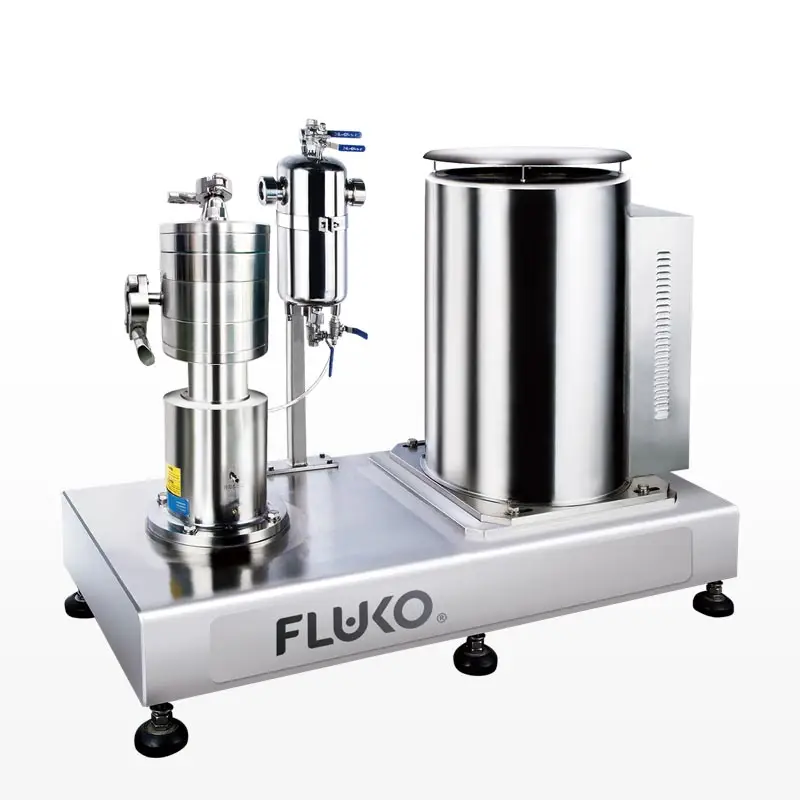
Buying a high-shear dispersion mixer often fails because buyers mix marketing claims with vague specs and then discover it can’t wet, disperse, or scale. You need facts: target particle size, slurry solids, batch volume, solvent and temperature limits. For quick lab trials, a reliable lab powder mixer proves real results — seen in pharma process development labs around Basel, Switzerland, where formulation teams push dispersion tech from bench to pilot. Start with those test endpoints and reject vague power or “universal” performance numbers.
Must-have technical criteria
List hard specs and confirm them. Tip speed (m/s) or rotor tip rpm. Power density (kW per m3) across your intended batch sizes. Rotor-stator gap and geometry. Torque and motor rating at working viscosity. Wetted materials (316L, Hastelloy if needed). Seal type and containment level. CIP/SIP capability if required. Cooling or heat dissipation for exothermic slurries. Control options: VFD, PID, recipe control. Explosive-atmosphere rating when solvents are present. Demand unit datasheets that show performance curves, not just peak values.
Performance tests to require before acceptance
Specify measurable FAT criteria. Provide a defined dispersion recipe and acceptance metrics: particle size distribution (laser diffraction), D50/D90 targets, solids recovery, viscosity profile, and power consumption vs time. Run a sample production batch to show temperature rise and mixing time to target. Require documentation: raw data, instrument calibrations, photos or video of the test run, and a signed performance report. No test, no acceptance.
Common procurement mistakes
People overbuy power and still miss wetting; they assume scale-up is linear; they accept vendor claims without data; they skip spare-parts lists and local support; they ignore cleaning validation and surface finish; they forget to check mechanical access for service. Avoid buying by brand or price alone. Match performance to process parameters and confirm with test runs under process conditions.
Alternatives and when to use them
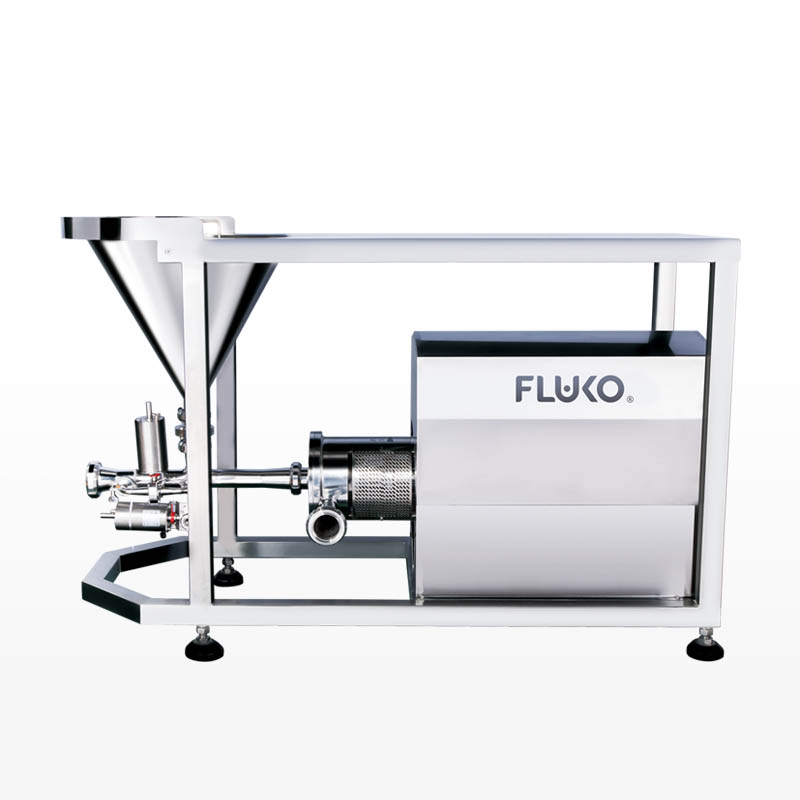
High-shear rotor-stator units excel at wetting powders, producing narrow droplets, and creating stable pre-emulsions. Bead mills handle submicron particle size and hard-to-break agglomerates. Ultrasonic homogenizers give fine disruption for small volumes. Inline high-shear units integrate well with continuous plants; batch top-entry rotors work for viscous systems. Choose the topology that meets required particle size, throughput, and maintenance profile.
Contract and aftercare checklist
Insist on FAT/PAT scope, performance guarantees with numeric targets, spare-parts list and lead times, recommended maintenance schedule, on-site training for operators and maintenance staff, DQ/IQ/OQ documentation, material certificates, and warranty terms tied to demonstrated performance. Confirm local service capability or a defined escalation path. Keep spares for seals, bearings, and rotors on hand.
Bottom line
Procurement is a sequence: define endpoints, demand test data, verify mechanical and control specs, lock service and spares into the contract, and reject vague promises. When teams need equipment that matches those checks without guesswork, they look to manufacturers with clear test records and global service footprints such as FLUKO.