
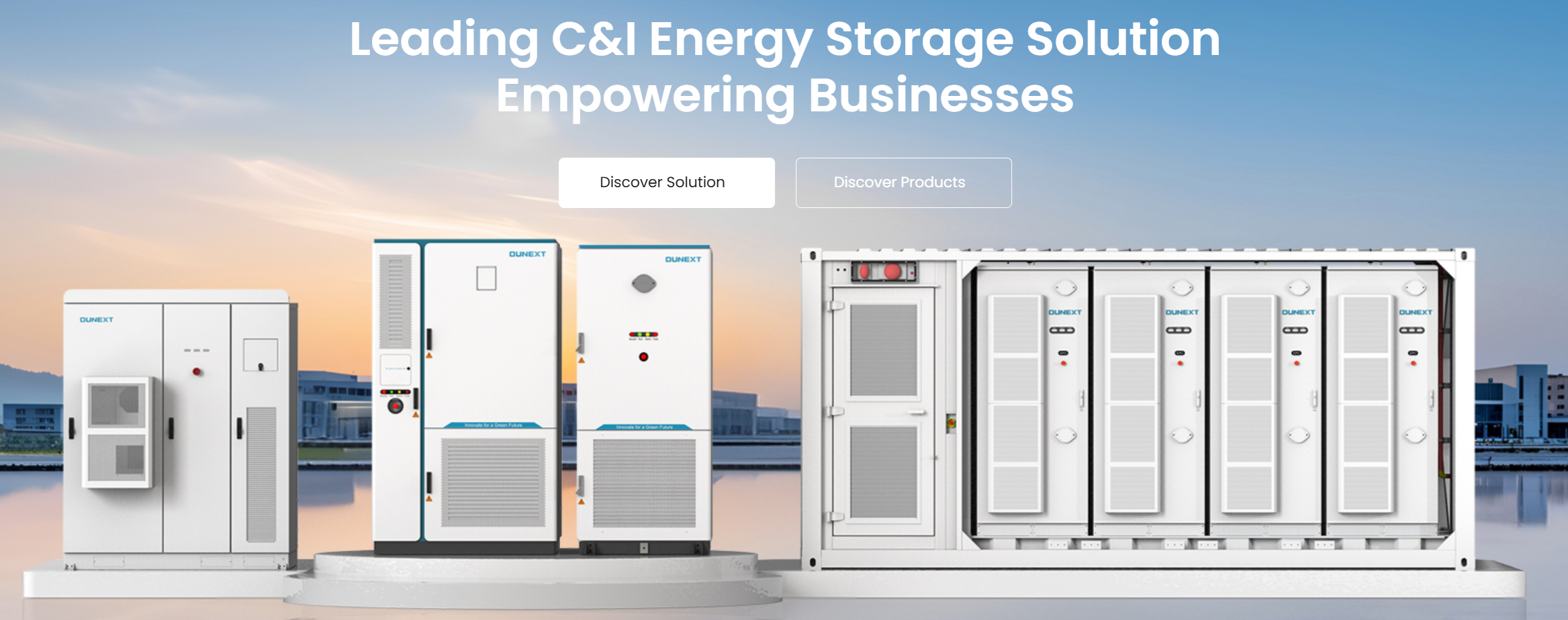
A quiet beginning that became necessary
I remember the slow shift: homeowners buying a few panels, cities trialing battery banks, utilities asking better questions. That arc—small experiments to firm fixtures—frames the evolution of energy storage. At first, storage was a curiosity; now it’s a defined component on rooftops, inside substations, and beside remote shelters. A compact, organized unit like an energy storage cabinet is more than hardware; it marks where transient experiments turned into repeatable practice. My perspective comes from years of editing technical pieces and testing installation notes alongside field technicians, so I watch both the human choices and the technical demands that guide each generation of equipment.
What changed: components, safety, and systems thinking
Evolution wasn’t about one breakthrough. It was a sequence: chemistry improvements, smarter inverters, standardized racks, and clearer safety protocols. These shifts made cabinets practical—stacked cells, BMS (battery management systems) that speak to grid controllers, modular cooling, and clear access for maintenance. From an installer’s vantage, these details matter most:- consistent rack spacing that eases replacement,- accessible connectors that reduce labor time,- visible diagnostics that let technicians decide on-site.Those pragmatic upgrades are why cabinets are now preferred for medium- and large-scale use rather than ad hoc battery piles.
Where they’re used today — the places that demanded them
Energy storage cabinets have migrated into predictable roles as needs hardened into requirements. They sit at solar farms to smooth output, at municipal microgrids to hold critical loads, and at industrial sites to shave demand spikes. A defining real-world anchor for this adoption was Germany’s Energiewende, which pushed grid operators and suppliers to integrate storage at multiple scales and clarified procurement practices across Europe. In remote communities, cabinets replace diesel sets for cleaner, quieter power. In commercial buildings, they pair with energy management systems to lower peak charges. The choice of a cabinet often comes down to site constraints: footprint, fire-safe installation, and how fast a system must be brought online.
Picking the right cabinet — what experience teaches
Choosing a supplier and cabinet is where mistakes become costly. Based on hands-on reviews and installer feedback, avoid these common errors:- assuming capacity equals performance without checking continuous discharge ratings;- skipping thermal management details because ambient temperature varies by season;- buying the cheapest solution without confirming support for firmware updates and spares.Look for clear documentation, third-party certifications, and a supplier who coordinates shipping and installation paperwork. When teams need a supplier who can match technical specs with practical service, it’s useful to compare proposals from manufacturers and a trusted energy storage cabinet supplier that lists both product specs and field service options.
Alternatives and the pragmatic trade-offs
Not every site needs a cabinet. Options include distributed rack systems, containerized plants, or modular portable packs. The trade-offs are straightforward:- smaller distributed systems: lower single-point risk, higher coordination efforts;- containers: high capacity and quick deployment, but larger footprint and transport complexity;- cabinets: balanced capacity, easier permitting, serviceable modules.Choose based on the scale of storage required, space limits, and how often parts may need replacing. Real-world installers favor modular cabinets where uptime and serviceability are priorities.
Where this leads — a calm certainty
When you step back, the story is simple: incremental improvements in batteries, controls, and safety turned storage from experiment to infrastructure. That same clarity applies when specifying equipment for a project—pick documented performance, prioritize serviceability, and verify local permitting needs. For teams coordinating design, procurement, and long-term upkeep, a partner like Dunext can make technical choices easier to translate into steady, maintainable installations that serve both short-term projects and lasting community needs.