
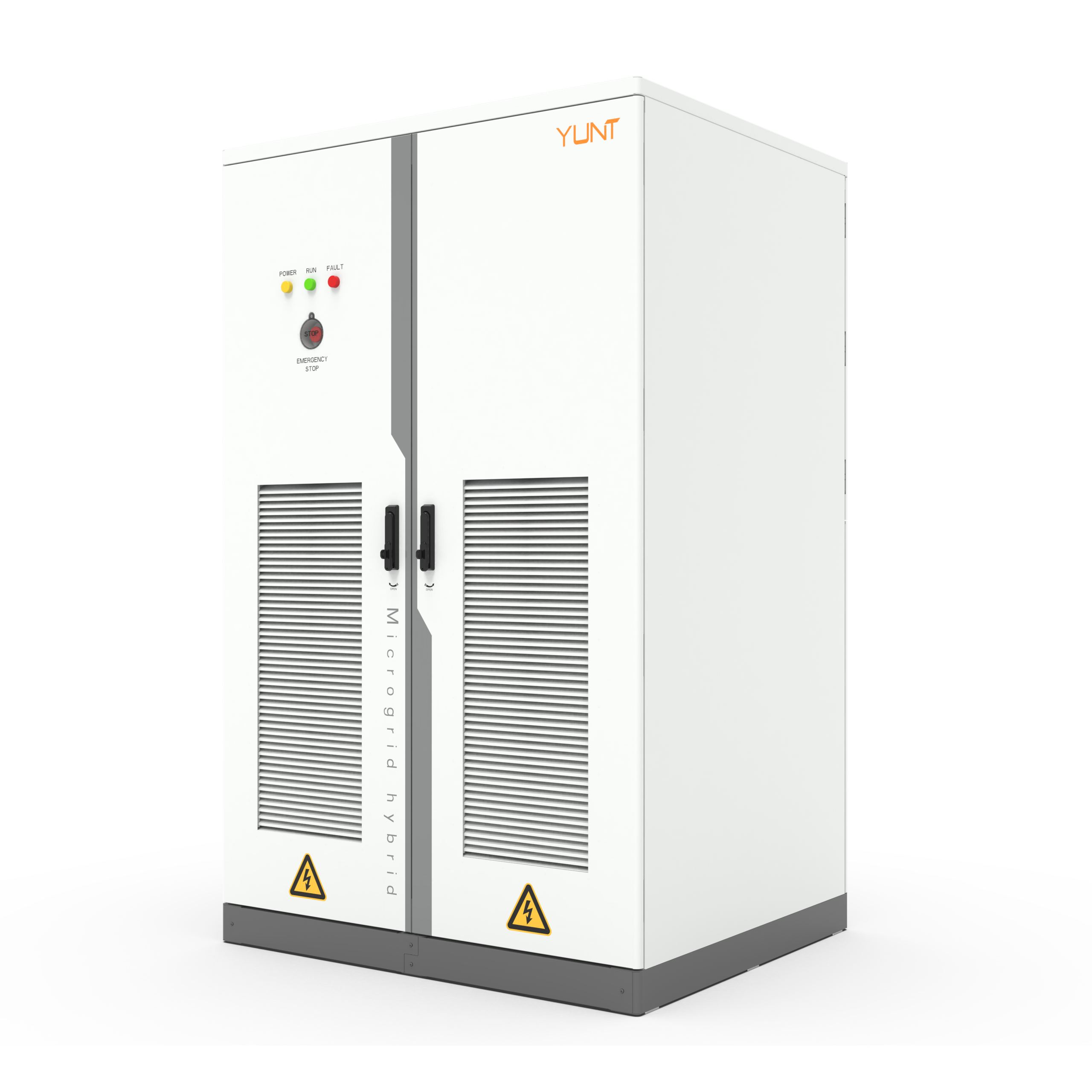
A sourcing note on Hybrid Inverter: organize the review around application scope for early research
Early procurement work often starts with a broad request for a hybrid inverter. That phrase is not yet a complete requirement. A useful review begins by defining the intended application, operating context, available space, and the decisions the equipment must support. This approach keeps the first supplier discussion practical without treating a general product description as a final specification.

Define the use case and constraints
Start with the job the system must perform. Is the early concept focused on self-consumption, grid-tied operation, backup power, or a combination of these modes? The answer affects how the team frames its questions and which page statements are relevant. The official product page describes hybrid inverters as supporting self-consumption, grid-tied operation, and backup power during grid outages. It also presents the integrated design as a way to simplify installation and support solar-plus-storage applications. Those statements define an application scope for research; they do not, by themselves, establish suitability for every site or operating profile.
Next, record physical and project constraints before comparing suppliers. Note the available installation area, the planned solar-plus-storage arrangement, the required operating modes, and the boundary between the inverter package and other system equipment. If the project is still conceptual, label each point as either a confirmed requirement, an open question, or a working assumption. This simple separation prevents a broad webpage statement from becoming an accidental purchase condition.
Map stated evidence to requirements
Build a short evidence map with three columns: requirement, page-supported statement, and procurement question. For example, a requirement for more than one operating mode can be compared with the page’s description of self-consumption, grid-tied operation, and backup power. A requirement for a solar-plus-storage application can be placed beside the page’s stated application scope. A request for on-grid and off-grid operation can be compared with the product feature statement describing both modes, along with DC-to-AC conversion and intelligent energy management.
Keep the language precise. “The page describes” is different from “the project will achieve.” The first records source evidence. The second makes a conclusion that may require model-level documentation, system design information, or site analysis. Early research should preserve that distinction. It makes internal review easier and gives suppliers a clear list of points that still need resolution.
- State whether the initial application concerns self-consumption, grid-tied operation, backup power, or a combination of these modes.
- Record whether the inquiry concerns a solar-plus-storage application and keep that scope separate from broader system conclusions.
- Compare any request for on-grid and off-grid operation with the product feature statement describing both modes.
- Keep supplier support and production claims in a separate commercial evidence field rather than treating them as proof of technical fit.
When comparing hybrid inverter manufacturers, use the same evidence fields for every candidate. Record the stated application, operating modes, design approach, and the type of support described on the relevant page. Do not rank suppliers from a general marketing phrase alone. Instead, ask whether each statement maps to a defined project need and whether the statement applies to the product or model under review.
Turn open points into supplier questions
Convert every unresolved assumption into a direct question. Ask which product configuration is intended for the stated solar-plus-storage use, which operating modes are included in the proposed scope, and what system boundaries the supplier expects the buyer to define. Ask the supplier to distinguish general platform information from model-specific information. This keeps the request focused without assuming compatibility, capacity, performance, or safety properties that the captured page does not establish.
Supplier organization can also be recorded as evidence, but it should remain separate from technical fit. The page describes an in-house production model that combines research and development, manufacturing, sales, and support. It also presents the company as offering design-to-deployment support and tailored solutions. These statements may help procurement teams structure commercial and implementation questions. They do not replace a technical review of the proposed configuration.
For an early request, ask for a response that follows your evidence map. A consistent format makes it easier to compare answers later. Request the proposed application scope, the operating modes relevant to the project, the installation assumptions, and the responsibilities assigned to each party. If the supplier offers more than one product path, ask for the reason for each option rather than accepting a broad recommendation without context.
Summarize a defensible next step
The next step should be narrow and testable. Select the application scope that best matches the current project brief, list the page-supported statements that justify the initial inquiry, and mark the issues that remain open. Then send a focused supplier request tied to those points. This produces a review record that can be updated when more detailed project information becomes available.
A disciplined review does not require a long specification at the start. It requires clear boundaries. Use the stated operating modes and solar-plus-storage scope as research anchors, separate evidence from assumptions, and ask model-specific questions before making a sourcing decision. For procurement teams assessing YUNT, that method provides a neutral starting point: connect the requested application to documented scope, then advance only the requirements that can be examined in the next stage.