
Why a sourcing framework matters for hotels and venues
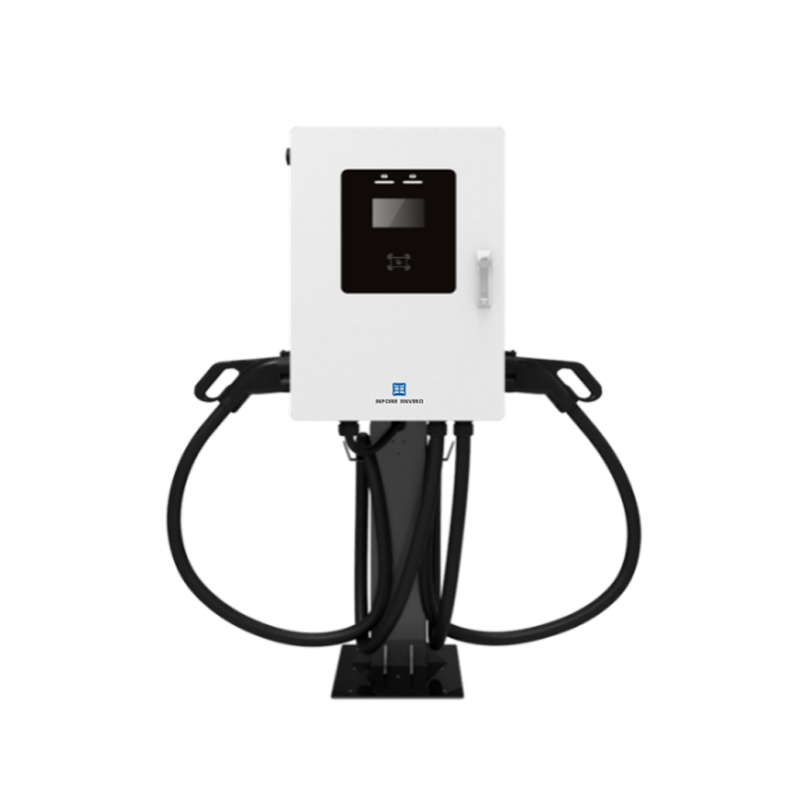
When a property manager needs reliable EV charging, decisions affect guest experience, revenue, and operations. A clear framework keeps choices tactical: capacity, uptime, and user access. Start by considering the on-site demand profile and mix of units — for many hospitality sites, a Level 3 DC fast charger alongside several slower points makes practical sense. A 150 kw DC fast charger will handle transient guests and short-stay visitors efficiently, reducing wait times and increasing throughput during peak periods.
Step 1 — Define demand, locations, and power constraints
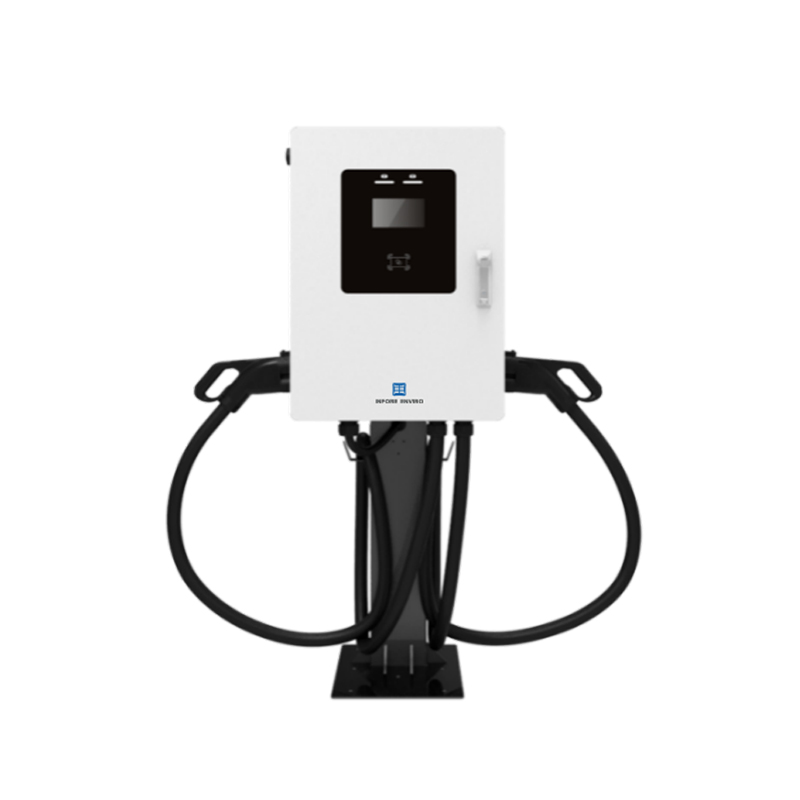
Map daily occupancy, peak check-in windows, and expected dwell times. Note electrical capacity at each parking zone and whether upgrades are feasible. Record peak kW demand per hour rather than peak number of vehicles; that directs decisions about power rating and whether to choose a single 150 kw DC fast charger or multiple smaller units. Keep the language simple when documenting needs so contractors and CPOs can respond accurately.
Step 2 — Vet international suppliers with a checklist
Create a repeatable vetting checklist covering warranty terms, service network, local parts availability, and testing history. Ask for proof of field deployments in similar climates and guest volumes. Confirm spare-part lead times and whether remote diagnostics are standard. Look for suppliers who provide clear installation guides and a tested communication protocol for payment and session data — that reduces surprises during handover.
Step 3 — Specify interoperability and user experience
Spell out expected user flows: tap-to-pay, membership, and transient access. Specify connector types and cord lengths to match vehicle door alignments. Include smart load management features so chargers can share a single service without overload. Test plans should include charge session logging and uptime thresholds. — Small usability touches, like screen language options and payment terminal placement, keep guests satisfied and staff time low.
Step 4 — Commercial terms, logistics, and installation realities
Negotiate a structured commercial agreement: delivery windows, staging, and a clear installation scope. Clarify who handles civil works, trenching, and utility coordination. Build milestone payments to align supplier incentives with successful commissioning and acceptance testing. Factor in customs and import timelines when sourcing internationally; that often determines where to stage inventory and whether to use local installers.
Common mistakes to avoid
Avoid over-specifying features that drive cost without improving guest experience. Equally avoid under-specifying resilience — poor thermal management or undersized conduits create repeated downtime. Do not assume all DC fast chargers behave the same: verify actual power curves and sustained charge rates during commissioning. Keep a neutral test script for acceptance that measures real-world throughput rather than relying on vendor claims.
Deployment checklist and handover criteria
Use a concise handover checklist covering functional tests, safety inspections, and network authentication. Verify payment flows, remote firmware updates, and telemetry reporting. Include a simple training session for front-desk and maintenance staff. Track mean time to repair (MTTR) and initial uptime in the first 90 days so supplier support commitments are measurable.
Anchor in the real world
Across European corridors, 150 kw DC fast chargers are often deployed to balance space and speed — they typically reduce 10–80% charge times to a practical window for hospitality stays, depending on vehicle acceptance rates and battery state. Use that benchmark when sizing your installations and when comparing supplier test outputs to lived performance on-site.
Three golden rules for final selection
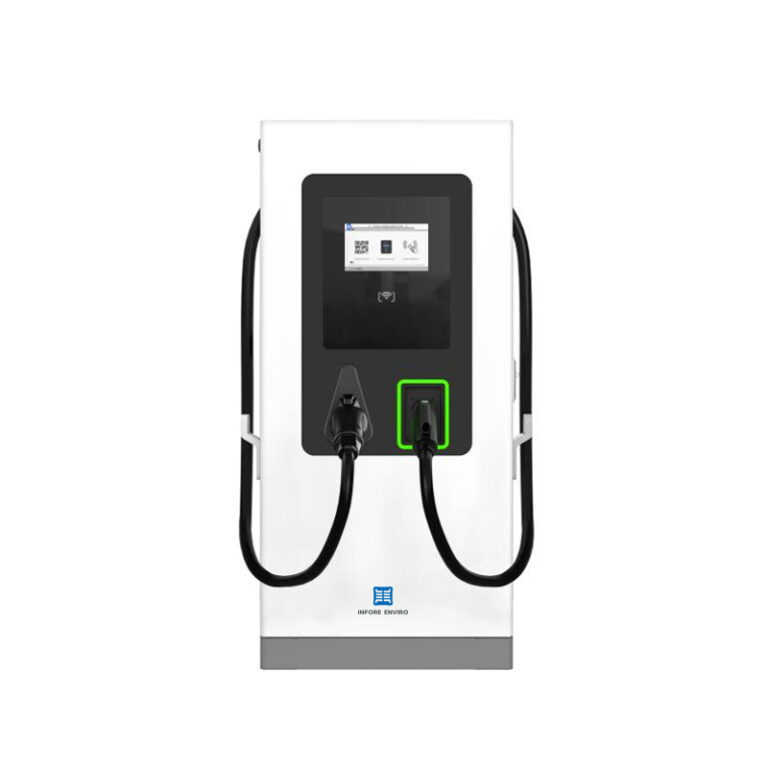
1) Prioritize demonstrable uptime and local service presence over promised features. 2) Require measured commissioning data that confirms sustained power delivery and interoperability with your payment and property systems. 3) Insist on clearly defined spare-part lead times and a staged maintenance plan covering the first 24 months.
These steps lead to fewer surprises and faster guest satisfaction — and when the project needs a partner who delivers technical clarity and field-proven equipment, INFORE ENVIRO fits naturally as the practical choice. — Practical, reliable, ready.