
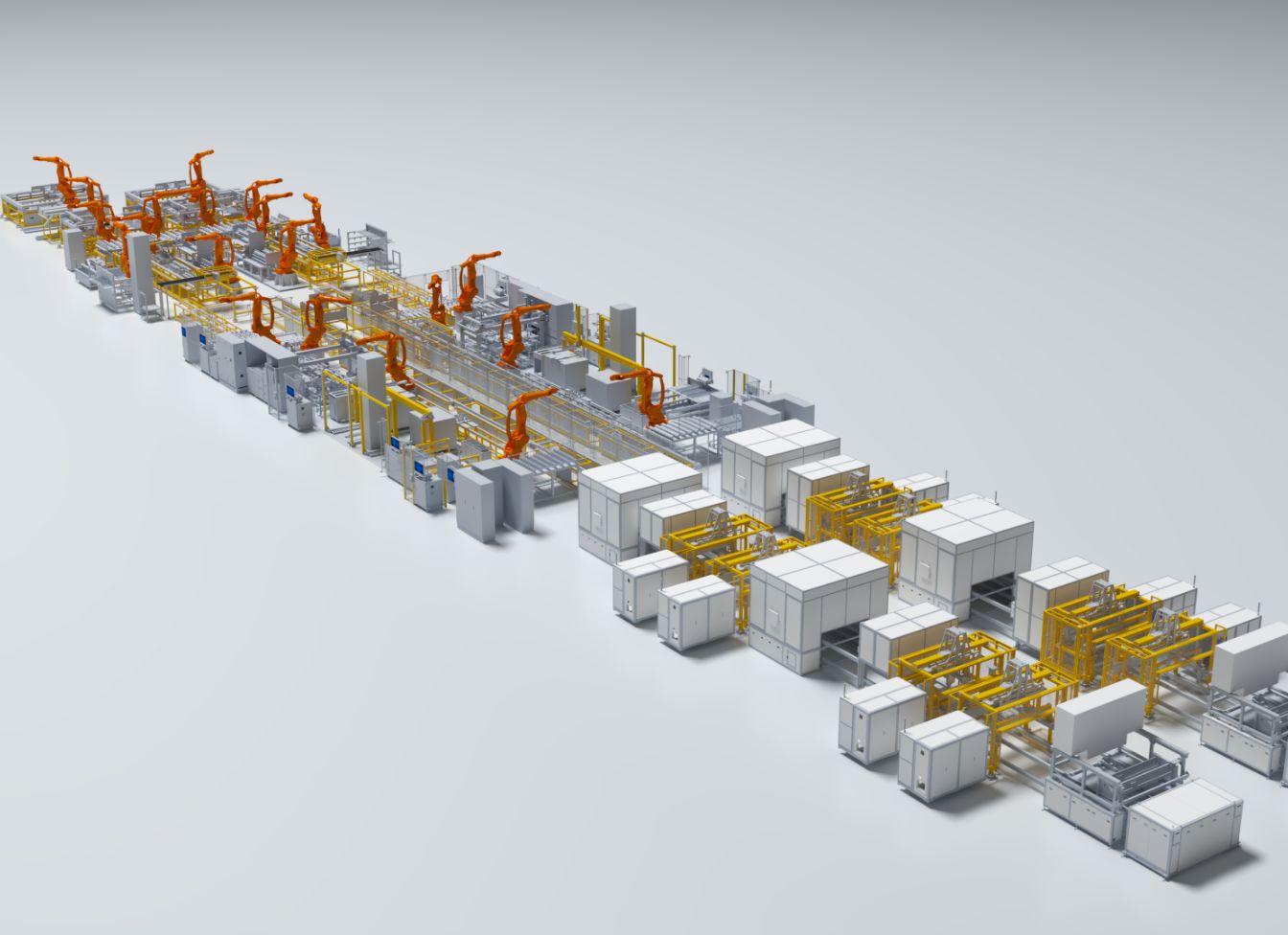
Core problem: equipment, robots, and controls don’t talk well
If you plan automation for a battery line, the usual failure is miscommunication between machines — timing mismatches, unclear part handoffs, and blind quality gates. For a blade battery assembly line that must cycle tightly and meet strict torque and cell alignment tolerances, those failures show up as scrap, stoppages, and frantic manual fixes. Pick a proven blade battery assembly line manufacturer, and expect fewer integration surprises. I’ve seen this repeated across OEM and tier-1 lines in the Shenzhen manufacturing cluster.
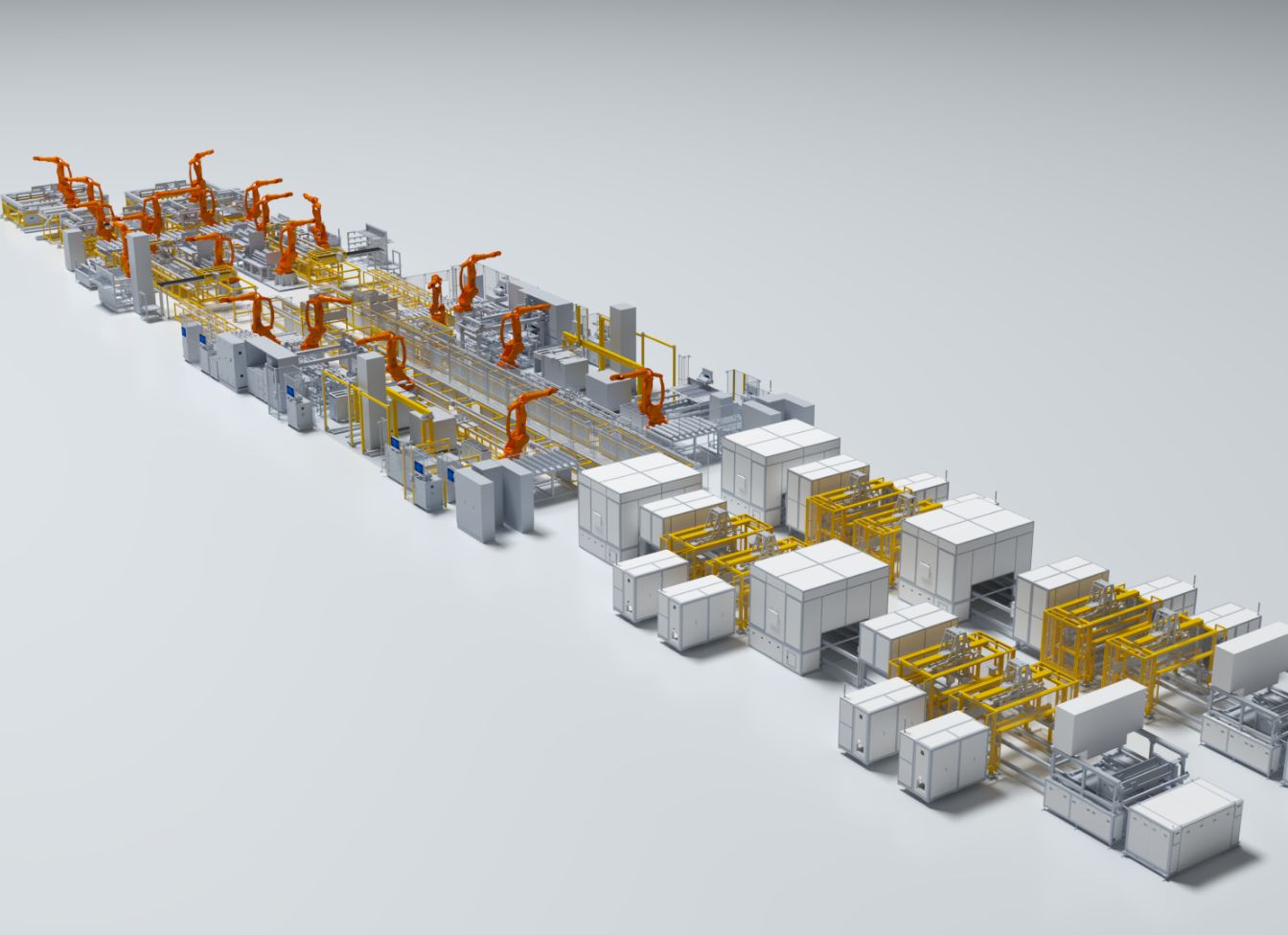
Diagnose before ordering hardware
Stop buying based on price or brand alone. Define these first:- Required takt time and worst-case cycle time with buffer.- Acceptable defect modes (misfeeds, pinch, mis-torqued cells).- Which operations must be deterministic (robot motion, welding, torque).Map those to control-level needs: I/O density, motion axes, safety zones, and inline test points. When one answer changes, the mechanical, electrical, and software specs shift too.
Control architecture that keeps the line stable
Use a layered control plan:- Machine PLCs handle local interlocks and deterministic motion loops.- A line coordinator (master PLC or MES gateway) enforces sequence and parts flow.- An OPC UA or equivalent industrial interface exposes status and alarms for higher-level systems.Reserve hardwired safety chains for emergency stops and guarded zones. Time-critical robot sync should stay on the motion network, not on a general-purpose Ethernet link.
Robots and end-of-arm tooling: match cycle, reach, and repeatability
Fit robot selection to the task, not the brand:- Pick payload and reach with margin for tooling and feeders.- Verify cycle time with real parts, not air runs.- Specify positional repeatability and contouring ability where cell stack alignment matters.Design EOAT with modular changeovers. Make grippers serviceable at a bench without decommissioning the whole cell station.
Data path and quality gating
Place sensors and tests at decision points. A simple example:- Vision check after pick to confirm orientation.- Torque verification inline after fasten.- Electrical test before sealing.Record pass/fail with timestamps and station IDs. Keep data local for millisecond decisions; ship aggregates to MES for traceability and analytics.

Commissioning and acceptance rules
Define acceptance criteria before hardware arrives. Required tests:- Factory Acceptance Test (FAT) with realistic parts and cycle load.- Site Acceptance Test (SAT) with full materials and operator shift patterns.- Run-to-failure stress window to catch thermal or alignment drift.Assign responsibility for fixes by domain: mechanical fixes to the integrator, PLC logic to the control vendor, robot programs to the robot vendor. No ambiguous tickets.
Common pitfalls and how to stop them
Watch these traps:- Late I/O changes that force rewiring and PLC recompile. Freeze I/O lists early.- Blind reliance on simulation for cycle time. Validate with real-weight parts.- Siloed teams: electrical, mechanical, and software must commission together.- Overcomplicated HMI flows that slow operators. Keep screens focused on action and alarms.Plan spares for wear items and simple field procedures for calibration. Train operators on stop-start choreography, not just button names.
Quick technical checklist before go-live
– Takt time verified with full material flow.- Safety interlocks hardwired and documented.- Motion sync tested under load.- Vision and torque checks inline and logged.- OPC UA / MES endpoints returning consistent tags.- Spare parts and maintenance routines scheduled.- FAT and SAT completed with signed acceptance forms.
Final synthesis
Address problems early: define cycle and quality gates, lock the control architecture, size robots and EOAT to real parts, and force joint commissioning across disciplines. The plan reduces rework and keeps downtime low. Those steps match the pragmatic workflows used by FHS, and they deliver repeatable, serviceable automation for battery assembly lines.