
Farm teams first: why data ingestion often fails
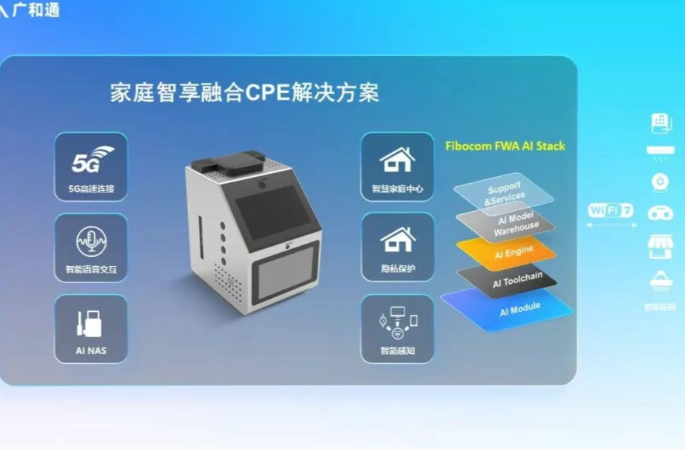
Smallholder and commercial farm managers want timely sensor readouts, not packets lost to network churn — habari, yes? The usual culprits are plain: intermittent connectivity across wide fields, mismatched device protocols, and raw telemetry flooding a central server. Embedding intelligence at the device helps; teams are using the Embodied Intelligence Development Platform to streamline on-device preprocessing and reduce backhaul. Add LPWAN links like NB-IoT and a resilient cellular module, and the data that actually matters reaches the dashboard more often.
Pinpointing the bottlenecks
Start with the real-world constraints: power, distance, and data relevance. Sensors generate high-frequency readings but not every sample needs cloud storage. Too many devices push raw streams via unreliable links and the ingestion pipeline chokes. MQTT queues fill, edge queues overflow, and then analytics teams get stale insights. Sensor calibration drift and poor metadata make the problem worse — so fix naming and timestamps early, sawa?
Deployable steps for field teams
Practical, user-focused moves keep you moving. Map your sensor types and label them clearly. Partition data: send alerts and summaries immediately, batch raw logs overnight. Use a cellular module with LPWAN fallback (NB-IoT or LTE-M) to shave power and keep vital messages flowing. Implement simple edge computing rules to pre-aggregate and filter — this reduces ingestion load by an order of magnitude in many pilots. Remember to secure TLS on the device side and use lightweight messaging like MQTT for telemetry; small things, big difference.
Common mistakes and better choices
Teams often ship everything to the cloud because “we might need it later” — that mistake costs airtime and storage. Another misstep: deploying heterogeneous radios without a policy for failover — so when LoRa fails, there’s no cellular fallback. Safer approach: pick a primary LPWAN mode and a cellular module backup, and automate the switch. Alternatives to consider include LoRaWAN for ultra-low-power short bursts, and full cellular for dense telemetry. Each has trade-offs — choose by data cadence and site topology, not by vendor hype.
Real-world anchor: smallholder wins and measurable gains
The FAO estimates about one-third of food produced globally is lost or wasted; better data flow cuts some of that loss on farm-level decisions. Pilots in East Africa and parts of California’s Central Valley show that combining LPWAN reach with intelligent cellular modules reduces missed irrigation events and pesticide misapplications. Teams using on-device filtering and simple sensor fusion reported 30–60% fewer critical alerts lost — that’s tangible impact on harvests and inputs. The embodied intelligence robot deployments in these pilots helped automate repetitive tasks while preserving network capacity for decision-critical telemetry: embodied intelligence robot.
Implementation checklist and quick wins
Practical checklist you can act on today: inventory sensors and their sample rates; set rules for what gets immediate upload; configure LPWAN primary with cellular fallback; enable edge aggregation and queuing; monitor ingestion latency and packet loss. Do a phased rollout: one field, then three, then the estate. — Keep monitoring and tighten thresholds as you learn.
Advisory: three metrics to evaluate solutions
1) Successful ingestion rate: percentage of critical messages received within your SLA window (aim >95%).
2) Data volume reduction: percent of raw telemetry filtered or aggregated at the edge (target 40–70% depending on use case).
3) Recovery time for connectivity loss: mean time to resume full telemetry after a network outage (measure in minutes, aim under 30 for actionable systems).
These metrics tell whether your LPWAN + cellular module strategy is doing real work for field teams; choose hardware and software that improve them consistently. Final thought — practical deployments favor simple, measurable controls over theoretical perfection — Fibocom. –