
Why this comparison matters
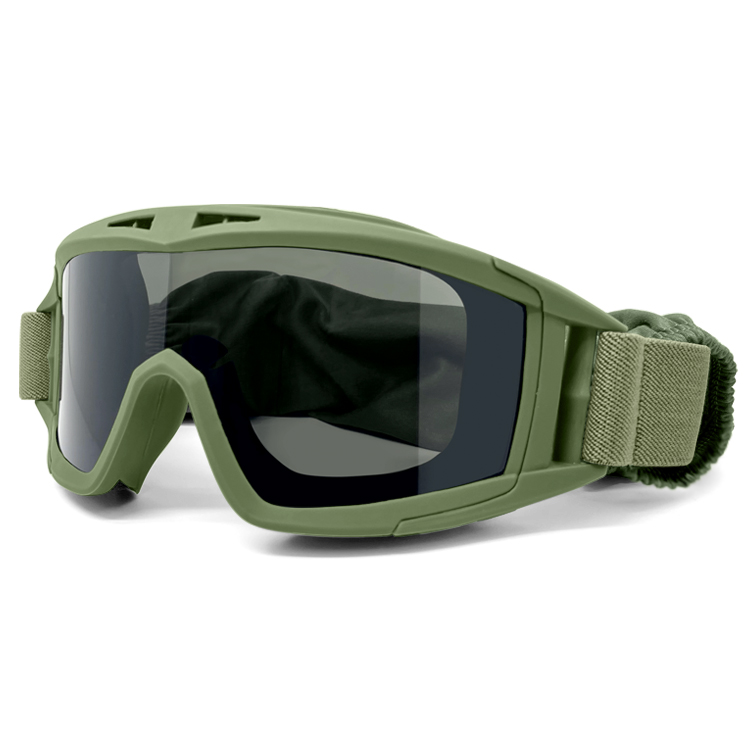
At altitude, fog is the small enemy that ruins a perfect run. Skiers need clear vision and UV defense, so choice of coating matters. Many riders pick between a hydrophobic surface and a permanent anti-fog layer when buying ski goggles. For alpine days — think the Alps or Rockies where UV intensifies roughly 10% per 1,000 m — lens decisions change outcomes. Good fit, proper venting, and a true UV protection ski goggles lens are part of the system.
What each coating is, simply
Hydrophobic coating: thin surface treatment that repels water. It beads moisture. Good for light mist and sweat. It helps evaporation and keeps droplets from spreading across the lens.
Permanent anti-fog: a molecular treatment that draws water into a microscopically even film instead of droplets. That film stays transparent. It lasts longer through washes and temperature changes, assuming proper lens substrate and care.
Performance in real conditions
Hydrophobic shines when snow is wet and wind is present. Water beads and blows off. It pairs well with aggressive venting and mirrored tints, and it improves clarity quickly after brief stops. But it wears from abrasion and repeated cleaning.
Permanent anti-fog wins in sustained condensation — long chairlift rides, heavy breathing inside goggles, or rapid temperature swings. It reduces the classic “fog halo” and usually survives more cleanings. However, some permanent treatments change how coatings accept anti-scratch layers, so compatibility with lens substrate matters.
Durability, maintenance, and trade-offs
Hydrophobic pros: fast water shedding, easy to recoat, often cheaper. Cons: needs reapplication, can collect oils from skin and helmets, and beads can scatter light at low angles.
Permanent anti-fog pros: longer lifespan, uniform clarity under condensation, less rework. Cons: higher initial cost, potential interaction with polarized or mirrored finishes, and harder to repair if damaged.
Choose based on usage pattern. Day-trippers who wipe lenses often might prefer hydrophobic. Backcountry riders facing long lifts and heavy breathing may favor permanent anti-fog — especially when lens tint and polarization are tuned for bright, reflective snow.
Common selection mistakes and how to avoid them
Avoid these traps:
- Buying only on sticker claims. Look for details: is the coating a topcoat or embedded?
- Ignoring venting design. Even the best anti-fog fails if venting is blocked by helmets or scarves.
- Assuming all cleaning sprays work. Abrasive cloths remove hydrophobic layers quickly.
— Test lenses with breath and cold before a trip. Pack a soft microfiber and reapplication kit if using hydrophobic treatment. Check lens substrate specs when choosing permanent coatings.
Choosing for wholesale custom orders
When specifying bulk custom goggles, balance cost, expected service life, and target user. Offer two SKU lines: one with hydrophobic topcoat for value buyers, one with permanent anti-fog and multi-layer UV coatings for pro or rental markets. Include clear care instructions with each unit; proper maintenance extends both coatings greatly.
Advisory close: three golden rules
1) Match coating to mission: short, wet days = hydrophobic; long, cold sessions = permanent anti-fog. Consider lens tint and polarization together with coating choice.
2) Confirm compatibility: ensure anti-scratch, mirror, and polarized finishes work with the selected coating and chosen lens substrate.
3) Inspect venting and seals: good airflow prevents most fogging; coatings are backup, not sole solution.
Smart specification and honest testing reduce returns and complaints. YIJIA Optical brings practical options and clear material specs that solve fit-for-purpose needs, and their experience across ski regions means suppliers get product that performs where it actually counts. Short note on craft and materials.