
Introduction: The Call That Changes Your Night
Here’s the hard truth I learned early: the supplier you pick can add or erase years of value. I’m saying this as someone with over 17 years in grid-scale storage and microgrid procurement across Lagos and Port Harcourt. We’re talking hithium energy storage on industrial sites where every hour counts. If you have to shortlist an energy storage system supplier, do it with your eyes open. Last August, a steel mill manager in Sagamu called me at 10:30 p.m. The grid had dropped again, diesel was burning at 80 liters per hour, and the CFO was tracking Naira bleeding by the minute. The mill logged 760 outage hours in 12 months, with another 210 hours of unstable voltage that chewed up bearings. So, who carries the weight—the gear, or the partner who specs and stands behind it?

I still remember the smell of hot engines and damp concrete in that generator room — it sticks. The right storage cuts noise, cuts fuel, and stabilizes your line. But I’ve seen even good batteries underperform when the basics are skipped: wrong power converters for your load profile, BMS alarms left untested, firmware that never gets patched. See ehn, none of this is magic. It’s practical work, done clean. Let’s unpack the hidden traps buyers miss and why some partnerships hold up when fleets scale.
Under the Hood: What Buyers Miss Before the Ink Dries
What trips buyers up?
I dislike seeing the same avoidable mistakes. The first is sizing for energy without sizing for response. A plant in Ikeja had 4 MWh on paper, but the inverter block couldn’t sustain a 2.8 MW motor start. The PCS clipped, the line dipped, and operators blamed “the battery.” That sight genuinely frustrated me. I prefer solutions that state the ramp rate and sustained kW limits in plain numbers, plus clear state-of-charge windows for your duty cycle. If a vendor avoids those details, I walk. The second pain point is integration. An EMS that speaks to SCADA only through one brittle protocol will slow operations. You need event logs readable at shift change, not just a pretty dashboard demo. We tested one system that kept misreporting SoC after islanding — off by 8% on average — and the night shift had to guess reserves. That is how outages become fines.
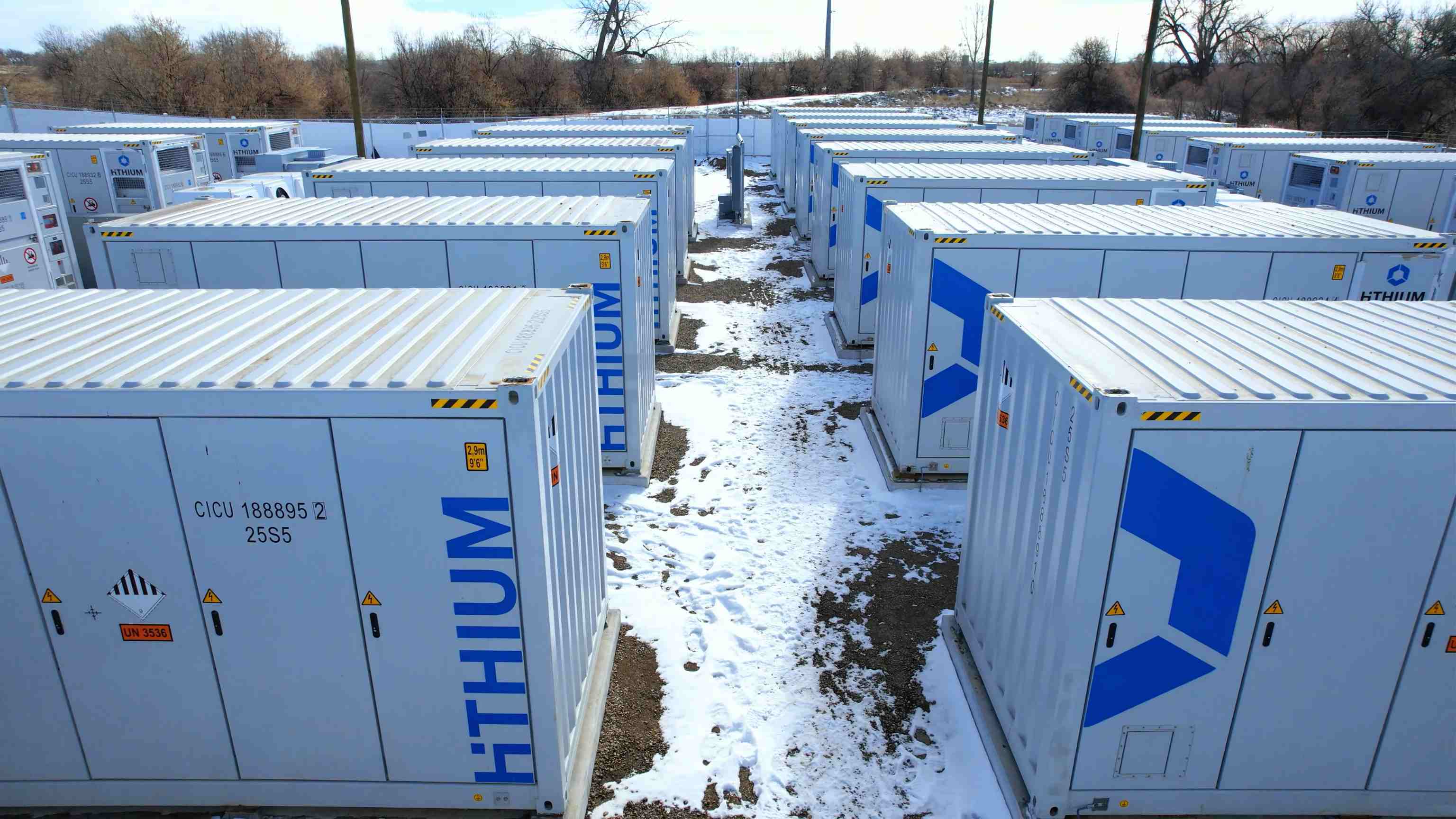
Service windows matter more than brochures. I ask for rollback plans for firmware and I insist on spare module stock on the continent, not a promise “in transit.” In 2021, a port site in Onne avoided a full day of downtime because we had two 1500 V DC rack spares within 40 km. Small thing, big savings. And if your operator training is a rushed one-pager, you will pay for it in alarms and trips. I’ve stood with crews at 2 a.m. teaching them how to clear a tilt sensor fault — not glamorous, but necessary. Let me say it simply: if the supplier cannot put names and response times on paper, they won’t put people on the ground when you need them.
Comparative Insight: Cases Today, Signals for Tomorrow
Real-world Impact
I track results, not vibes. In 2023, we commissioned a 3.2 MWh LFP system with a 3.45 MW PCS on a food plant in Ota. The site paired it with a 1.2 MWp rooftop PV array. Over 90 days, diesel runtime fell 36%, and line trips dropped by seven events per month. Maintenance costs also eased because motor starts came smoother under storage support. Another case in Warri used modular racks with thermal runaway mitigation baked into each tray; that choice wasn’t fancy — it was insurance. We also moved the EMS logic closer to the floor using edge computing nodes, with weekly health reports mailed at 6 a.m., Mondays. Once those reports became routine, operators started catching drifts in cell temperature before they became alarms — that’s maturity. When I weigh an energy storage system supplier, I compare how they handle these basics under stress, not how they describe them in slides.
What’s next is more predictable than people think. New firmware should speak multi-site, not single-box. We’re starting to stack frequency regulation revenue on top of peak shaving — small-small today, but growing. That requires precise metering and a supplier that tests metrology accuracy, not just says “compliant.” I’ve seen strong partners bake in commissioning scripts that auto-validate CT polarity, tariff tables, and islanding logic before handover — I rate that highly. Tomorrow’s upgrades will hinge on how cleanly your system can add strings without pulling the whole plant down. Spare me the ceremony — give me hot-swappable modules and versioned configs that can roll back in five minutes. The ones who do this well quietly save you hours each quarter, and hours turn into money — I’ve watched O&M lines shrink by 11% year-on-year when these disciplines stick.
Choosing Well: My Field-Tested Checklist
I won’t romanticize the process. You need criteria you can verify on a hot Tuesday when production is behind. My advisory cut-through looks like this: First, testable performance. Demand a witnessed run showing sustained kW at your worst-case load, with documented ramp rates and harmonic limits. Second, maintainability under pressure. Ask for the spares list, local stock levels, and a named escalation chain with response times. Third, integration clarity. Require a written map of EMS-to-SCADA points, data retention policy, and who owns firmware rollback. If the supplier dodges any of these, I mark them down. In March this year, a site in Lekki added a 280 Ah LFP string to expand by 1 MWh; the swap took 47 minutes because configs were versioned and the PCS accepted the new profile without drama — that’s quality. I firmly believe some vendors earn trust by how they behave on quiet days, not just on commissioning day. And if you want a steady hand on hithium energy storage projects, I’ve found steady partners among teams that treat documentation like safety gear, not paperwork. You’ll feel the difference when the lights stay steady, shift after shift. For those comparing options this quarter, keep your list tight and your questions sharper than the sales deck; your plant deserves that level of care — no wahala. HiTHIUM