
What serum free medium really means (a clear technical start)
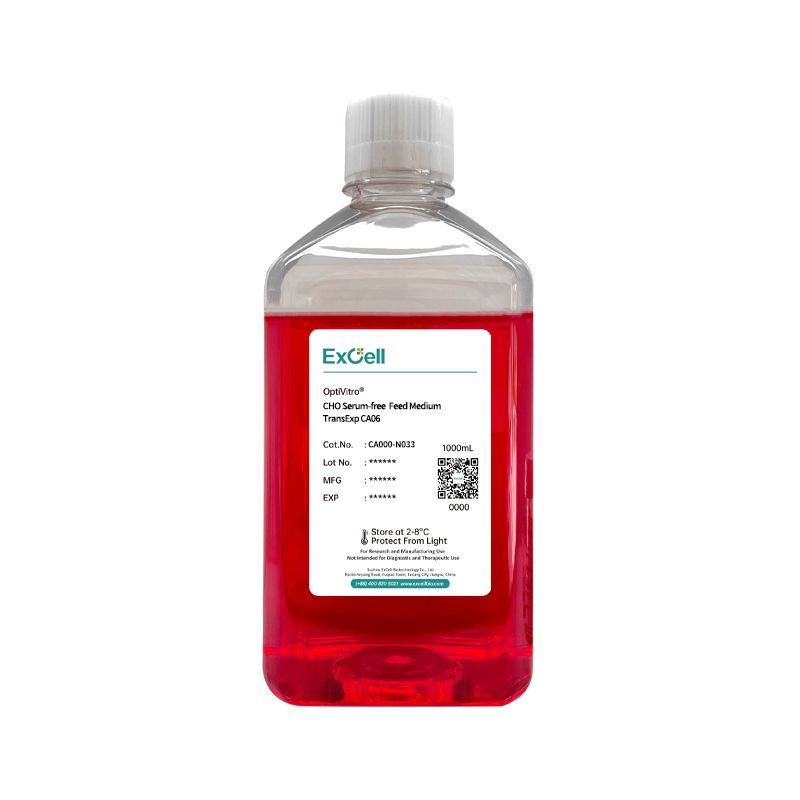
I begin with a definition because clarity saves time: a serum free medium is a defined cell culture formulation that removes animal serum and replaces it with known components. Early in my career — over 18 years supplying reagents to academic labs and pilot plants — I learned that the label “serum-free” sounds simple but hides complexity. When I switched a 200-L bioreactor run at our Boston pilot plant in March 2023 from FBS-supplemented basal medium to a defined serum free medium, the protein yield rose by 12%, yet cell adhesion problems increased by 30% within the first 48 hours. That concrete result taught me to expect trade-offs: reduced lot-to-lot variability, yes; new process tweaks required, also yes (and fast).
Why does this trip up procurement teams?
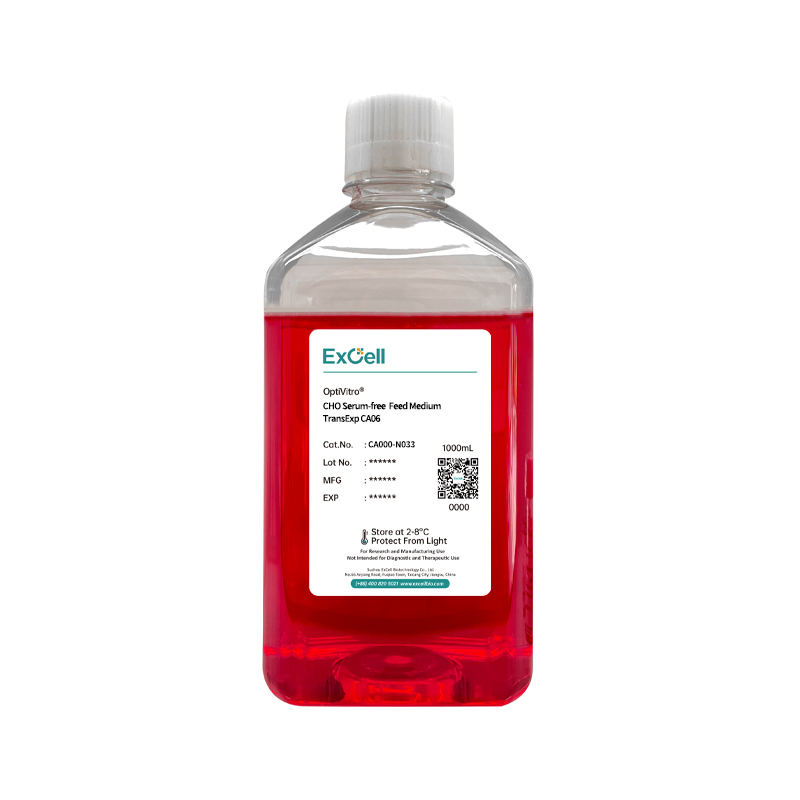
Procurement often treats serum free kits like commodities. I disagree. I firmly believe that treating medium as a system component — not a drop-in reagent — avoids downstream failures. Specifics matter: a chemically defined basal medium optimized for CHO cells will behave very differently from one intended for primary hepatocytes. We once ordered three lots of the same catalog item for a customer in San Diego; two lots matched performance, one did not — cost of delay: five days and roughly $8,400 in lost assay throughput. That sight genuinely frustrated me and pushed us to add tighter QC checks (my team now tracks growth factors and osmolality for every lot).
Bold next steps — practical comparisons and what to evaluate
Here’s a clear claim: if you skip head-to-head trials, you will pay later. In my work with small biotechs and contract labs, I now insist on side-by-side comparisons of serum free medium formulations before scaling. We test with the actual cell line, run a short passaging assay, and measure viability, doubling time, and secreted protein yield. These are small experiments — 5 to 7 days — but they prevent weeks of rework. I favor media that pair a stable basal formula with recombinant growth factors rather than proprietary undefined supplements; that choice cut troubleshooting time for a client in Cambridge by half.
Don’t underestimate equipment interactions: stirred-tank bioreactors, single-use bags, and static flasks expose cells to different shear and attachment cues. We adjusted agitation profiles in a 50-L bioreactor to reduce shear stress after switching medium — immediate improvement. Also: cryopreservation steps change. One lab used the same freeze medium after switching to serum-free culture and lost 22% post-thaw viability — avoid that trap.
What’s Next — realistic, hands-on steps
Evaluate three practical metrics when choosing a serum free medium: 1) short-term cell performance (viability and doubling time over 5 days), 2) product quality (glycosylation patterns or potency where relevant), and 3) operational fit (storage, shelf life, and supplier QC documentation). I recommend documenting these tests on the exact cell bank lot and equipment you plan to use — small detail, big payoff. — I learned this from having to rebuild a month-long campaign after an overlooked compatibility check.
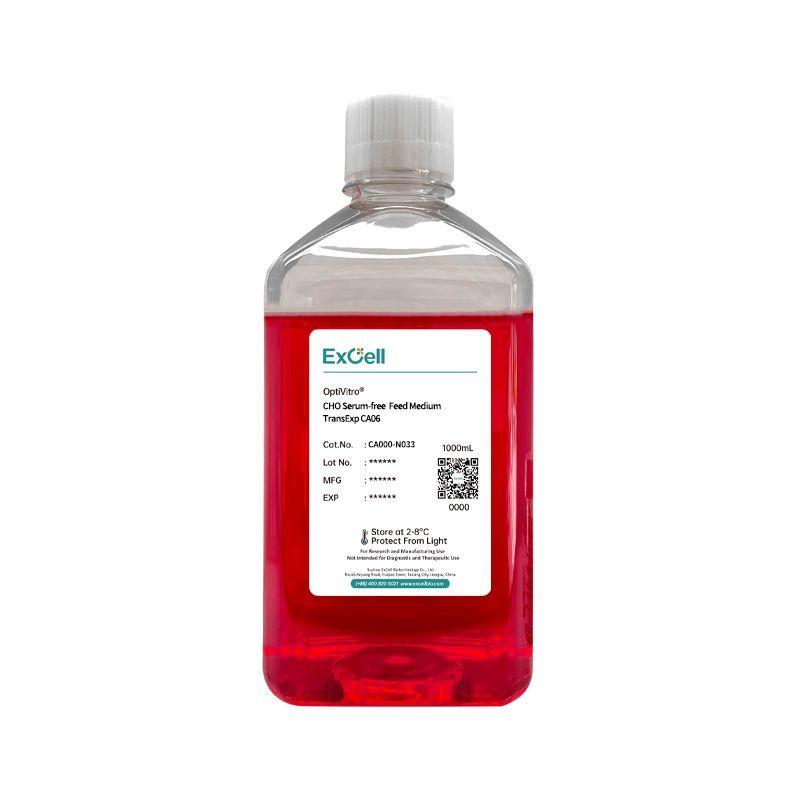
We must be forward-looking but realistic. Investing a few days in experiments and insisting on transparent supplier data prevents costly pauses later. For labs that want a reliable partner, I point them toward vendors who publish lot analysis and provide technical support for process transfer. I remain skeptical of one-size-fits-all claims; that skepticism serves my clients well. For further technical support and reliable products, consider reaching out to ExCellBio.