
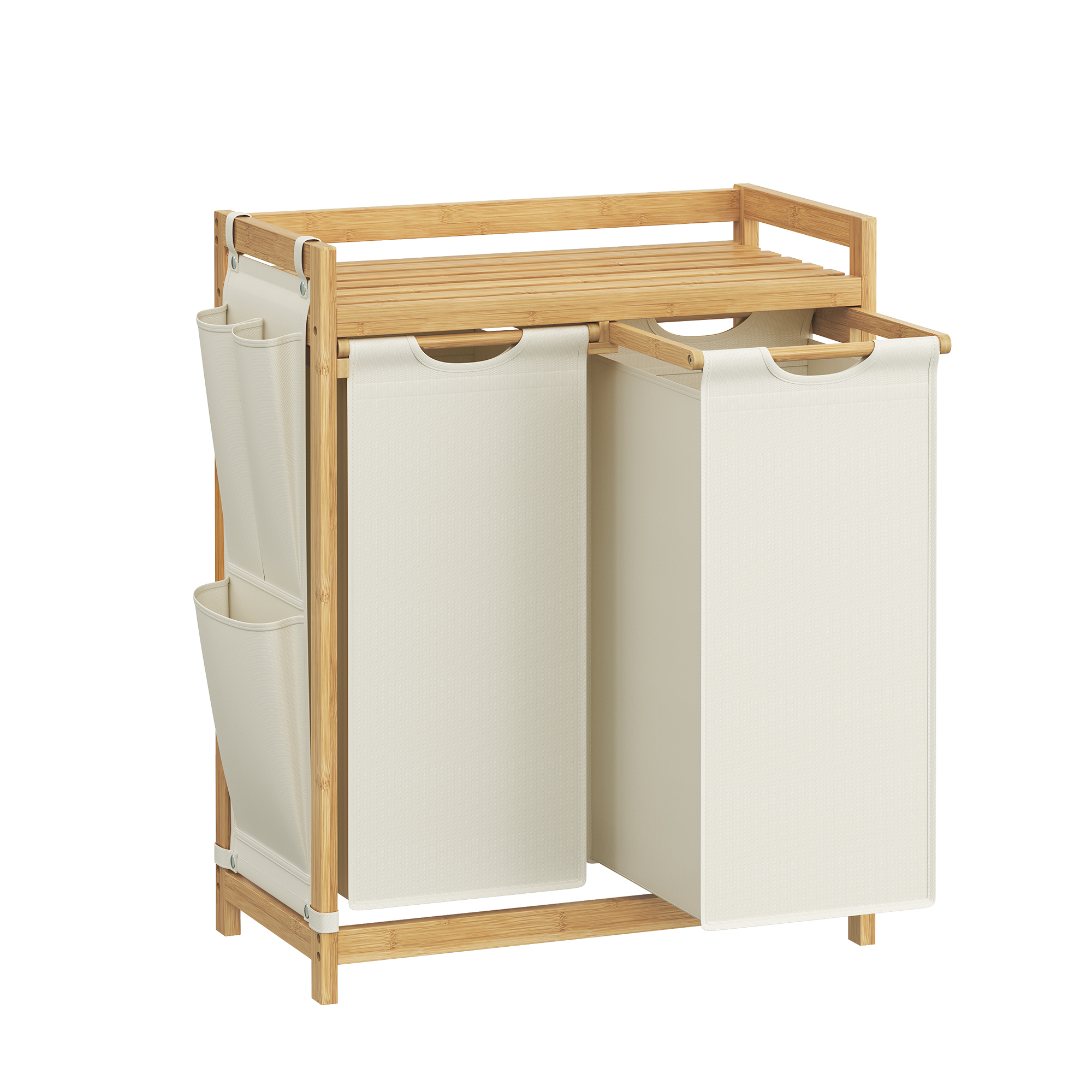
Introduction: Define the Decision, Reduce the Risk
A sourcing choice is not a guess; it is a controlled variable in your supply chain. In the rush to meet seasonal demand, laundry basket manufacturers often get picked on price alone and then blamed when defects spike. When you evaluate a bamboo laundry basket manufacturer, you are managing a clinical triad: material integrity, process control, and logistics stability. Picture this scenario: your warehouse is at 80% capacity, a retailer brings forward a promo, and you need 5,000 units in two weeks—no slip-ups allowed. Data says that up to 30–40% of returns in home goods relate to finishing errors and warped panels; lead time variance can widen by 25% when secondary suppliers lack process capability. So, are you measuring inputs that actually correlate with outcomes, or just scanning quotes?
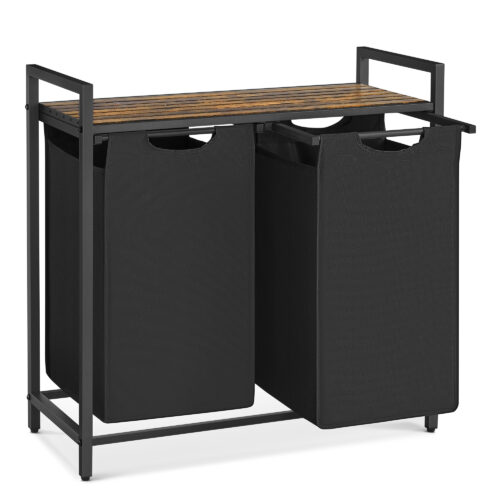
Technical framing helps. Validate QA audits, surface moisture content, and assembly torque standards, then track fallout. Use simple control charts (yes, old-school works) alongside supplier dashboards. Add two checks: supply chain traceability for Moso bamboo lots and the stability of CNC tooling across shifts. Small steps, fewer unknowns—fewer late-night calls. Let’s break down where the real friction hides, and why traditional fixes often miss it.
Hidden Pain Points That Undercut “Good” Quotes
Why do specs still fail?
Look, it’s simpler than you think—yet also not. The hidden pain point is spec drift. Many buyers share a drawing and a sample, then assume replication is linear. It isn’t. Bamboo slat density changes with harvest time; adhesive cure windows vary by humidity; a mill with inconsistent kilning can push moisture past 12% and cause panel cupping post-shipment. Traditional solutions rely on end-of-line inspection, which is too late. You want in-process control: moisture probes at lamination, clamp pressure logs, and torque validation on hinge mounts. Without that, even a neat pilot lot can degrade at scale—funny how that works, right?
Then there’s the packaging trap. A beautiful basket arrives dented because corrugate burst strength was underspecified or foam dunnage was miscut. Add a transit simulation (ISTA 3A), not just a visual check. Embed lot IDs with simple RFID tagging for better supply chain traceability. On the process side, confirm the supplier’s preventive maintenance for cutters and sanding drums—if their CNC tooling offset isn’t calibrated weekly, edge alignment will drift. Finally, calibrate your cost view: cheap hinges and soft screws increase assembly time, raise defect rates, and wipe out the supposed savings. The fix: define process capability (Cp/Cpk on critical-to-quality dimensions), add a moisture acceptance range, and lock a packaging spec with drop and compression data. That’s how you stop chasing symptoms.
Comparative Insight: Moving Past Legacy Fixes to Measurable Control
What’s Next
The new baseline borrows from light manufacturing: use simple data streams at the workcell and tie them to a visual pass/fail rule. Think edge computing nodes at glue-up tables, capturing clamp pressure and ambient humidity. A basic MES-lite board can flag deviations before a whole batch goes wrong. When evaluating a partner, ask how they collect and store process data—even a spreadsheet with timestamps beats guesswork. If a bamboo laundry basket supplier can show heat-map defects across shifts, you are dealing with a team that observes, not just inspects. That distinction matters. Pair this with finite element analysis for lid flex on thin frames and you cut rework. And yes, add a life cycle lens: adhesive VOC thresholds, energy metering on dryers, and scrap regrind rates (small moves, real impact).
Future-ready shops integrate low-cost sensors with a disciplined feedback loop. They align kiln schedules to ambient conditions, validate adhesive cure using temperature strips, and track assembly torque with digital drivers—then they close the loop in weekly QA stand-ups. The comparative advantage emerges in consistency: fewer micro-variations, more stable lead times. Think of it as updating your playbook from “find defects” to “design out defects.” You also get better forecasting when suppliers publish capacity windows and planned downtime. Transparent, boring, reliable—exactly what you want. And when transport shifts—port congestion, carrier changes—the same data discipline keeps packaging loads safe by adjusting cushion factors. Small labs, big gains.
How to Choose: Three Metrics That Keep You Out of Trouble
To turn insight into action, use three practical checks that fit on one page. First, process capability: require Cp/Cpk ≥1.33 on critical-to-quality joints and lid flatness; verify with recent run data and photos from the line (not showroom samples). Second, moisture and materials control: demand documented moisture content ranges at lamination and a kiln log, plus adhesive spec sheets with cure profiles; add a quick ISTA 3A transit test for the approved pack-out. Third, operational stability: review maintenance logs for CNC tooling, calibration records for torque drivers, and a weekly capacity plan that lists peak throughput and changeover times. If a candidate can’t provide these within three business days, you’re likely buying risk, not value—plain and simple.
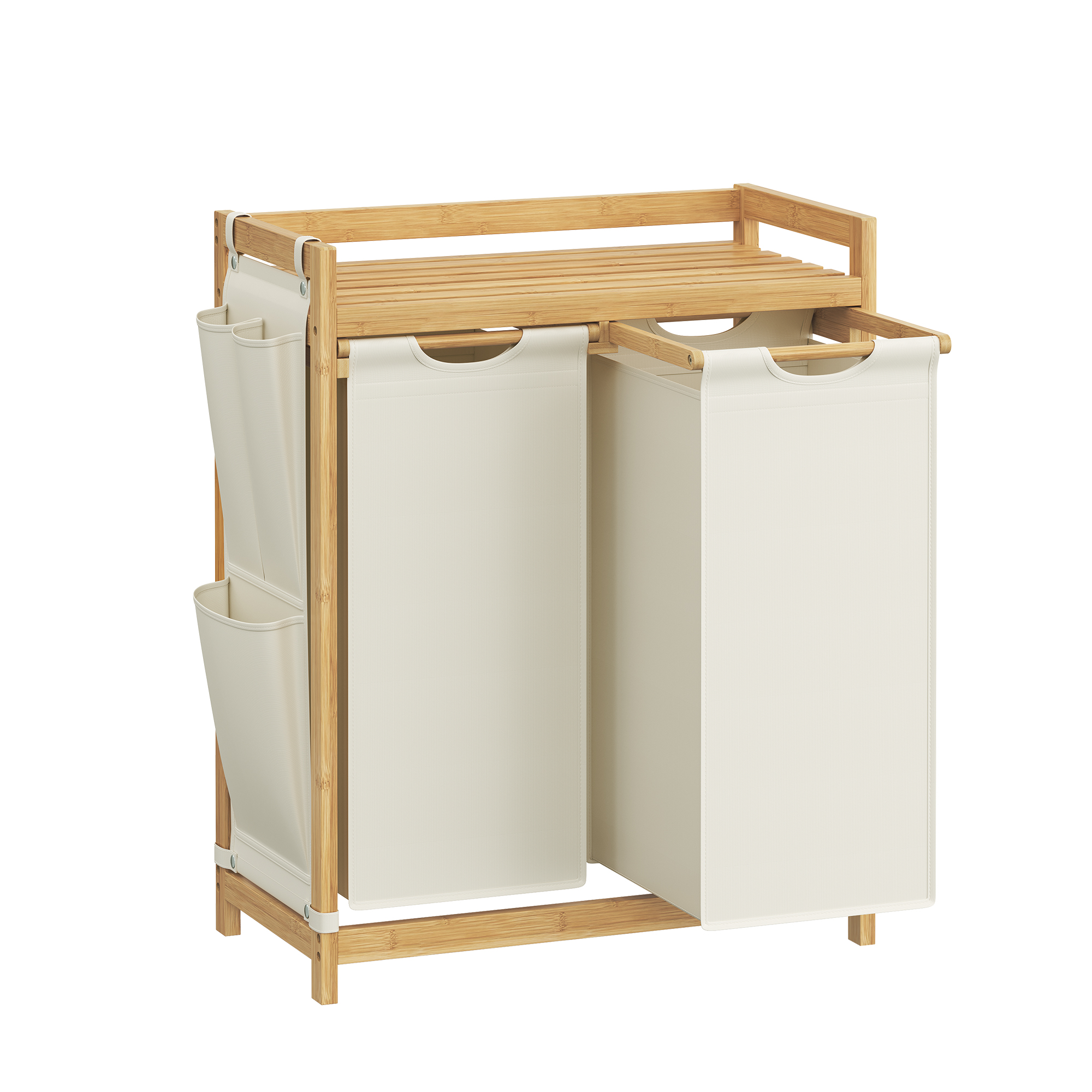
Evaluating suppliers this way reduces returns, stabilizes lead times, and improves unit economics without a painful overhaul. It also builds a shared language with your partner, which is worth more than a short-lived price cut. Keep it steady, keep it measurable, and let the data calm the room. For additional industry context and product ranges, see SONGMICS HOME B2B.