
Problem statement: why choices fail to meet expectations
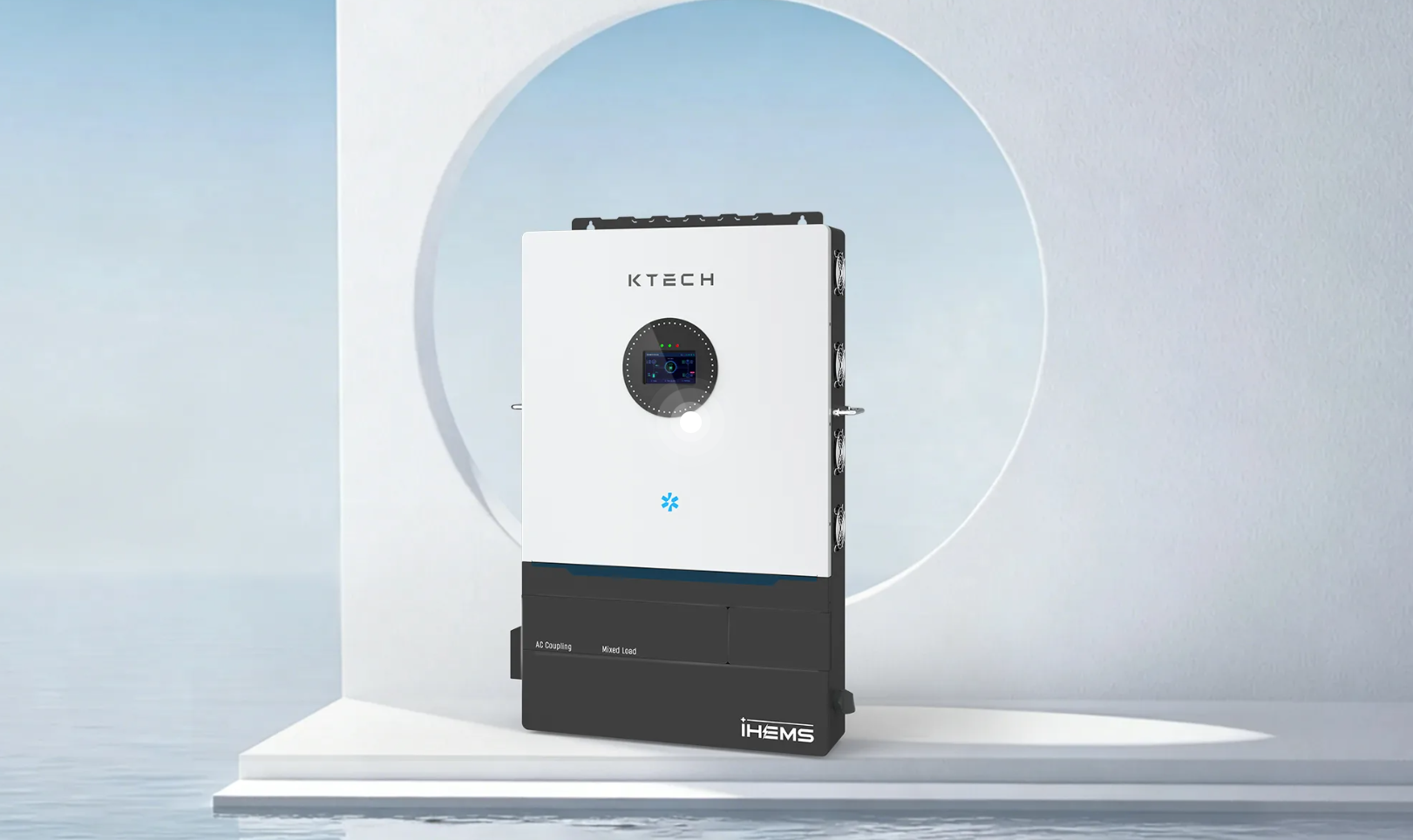
Homeowners buy panels for nameplate wattage but often get lower delivered energy because the inverter is mismatched, underspecified, or poorly sited; this device — the solar inverter — defines how much DC becomes useful AC and how long the system performs reliably. Decisions made at specification time create recurring losses: heat-induced efficiency drops, premature component failure, and unanticipated balance-of-system costs. The problem is not single-factor. It is layered: electrical, thermal, firmware, and serviceability all interact to determine real lifetime energy yield and outlay.
Primary drivers of conversion efficiency
Efficiency is not a single percent figure; it is an operating envelope. Key drivers:- Maximum power point tracking (MPPT) count and algorithm quality determine how often modules operate at optimal voltage under partial shading or mismatch.- Peak conversion efficiency versus weighted efficiency (CEC/European Weighted) — the latter better predicts annual yield.- Thermal management: efficiency degrades with junction temperature; every 10°C rise can reduce conversion efficiency by measurable percentage points.- DC/AC topology: transformerless designs are lighter and usually more efficient but require robust insulation monitoring.Target values: look for >98% peak and ≥96% weighted for residential-grade units under typical irradiance and temperature ranges.
Reliability determinants and failure modes
Reliability is governed by materials, design margins, and maintenance accessibility.- Power electronics stress: capacitors and MOSFETs are common wear points; electrolytic caps shorten life in high-heat installations.- Cooling approach: passive cooling reduces moving-part failures; forced-air can extend performance if filters and airflow paths are serviceable.- Firmware maturity: islanding detection, anti-islanding logic, and grid-interaction updates protect both hardware and occupants.- Mechanical ingress protection and corrosion resistance determine resilience in coastal or dusty environments.Field data from residential deployments in California show that installations with active thermal control and higher-grade capacitors have lower failure rates over the first seven years.
Cost components and trade-offs
Cost splits into up-front capital, installation, and lifecycle expenses.- Component cost: higher-spec semiconductors and capacitors raise initial price but reduce replacement frequency.- Balance-of-system impact: inverter size affects cable sizing, combiner boxes, and mounting; oversizing raises installation cost.- Warranty and support: extended warranty with on-site swap provisions increases upfront cost but lowers expected downtime expense.- Efficiency versus price: a 1–2% improvement in weighted efficiency can recover premium cost over 5–10 years in high-irradiance locations; calculate with local insolation if you need breakeven precision.
Common mistakes that degrade outcomes
Errors frequently repeat across projects. Avoid these:- Choosing inverter peak efficiency as the sole metric; peak values occur under narrow conditions.- Undersizing MPPT capability relative to string-level mismatch risk.- Neglecting thermal path when mounting under rooftop tiles or in cupboards.- Assuming firmware is static; grid-code changes or new anti-islanding rules can require updates.
Practical evaluation checklist for residential systems
Use this checklist when comparing options, including solar inverter for residential use models:- MPPT count and voltage range matched to array architecture.- Weighted efficiency rating and temperature coefficient data.- Capacitor type and expected lifetime at 45–65°C ambient.- Cooling method and rated ingress protection.- Firmware update policy and remote diagnostics capability.- Warranty terms with specific replacement logistics and time-to-repair commitments.
Short operational controls and maintenance priorities
Operational controls that preserve efficiency and reliability are simple to implement:- Keep ventilation clear and maintain ambient temperature range.- Enable and apply firmware updates after verifying change logs.- Schedule inspections for connectors and DC isolation components every 3–5 years.- Monitor energy yield against expected baseline; a sudden RPM (relative performance metric) drop usually points to inverter or MPPT issues rather than panel failure.
Outcome synthesis: what to specify and expect
Choose an inverter with verified weighted efficiency, robust thermal design, and clear firmware/support pathways. Expect a trade-off: higher capital for better components reduces lifecycle risk and downtime. For household systems sited in high-irradiance regions such as California, prioritizing thermal margins and MPPT resilience yields measurable gains in annual delivered energy. The practical solution that balances performance, serviceability, and predictable total cost aligns with vendor offerings designed for residential constraints; these are available through Ktech, and they reflect the technical priorities outlined above.