
Introduction — a quick skate down the shop floor
Yo, picture rolling up to a shop where the machines hum like a skateboard ramp at noon — that’s how I first saw modern turning work. CNC lathe manufacturers are the ones shaping that noise into parts and profit, right? (Stats say global CNC machine tool demand keeps climbing — like double-digit interest in some markets.) So why do some shops still fight with old setups, while others rip through orders like pros? I want to break that down real quick — what’s holding people back and what actually helps crews move faster. Let’s peel this open and see what’s worth chasing next.
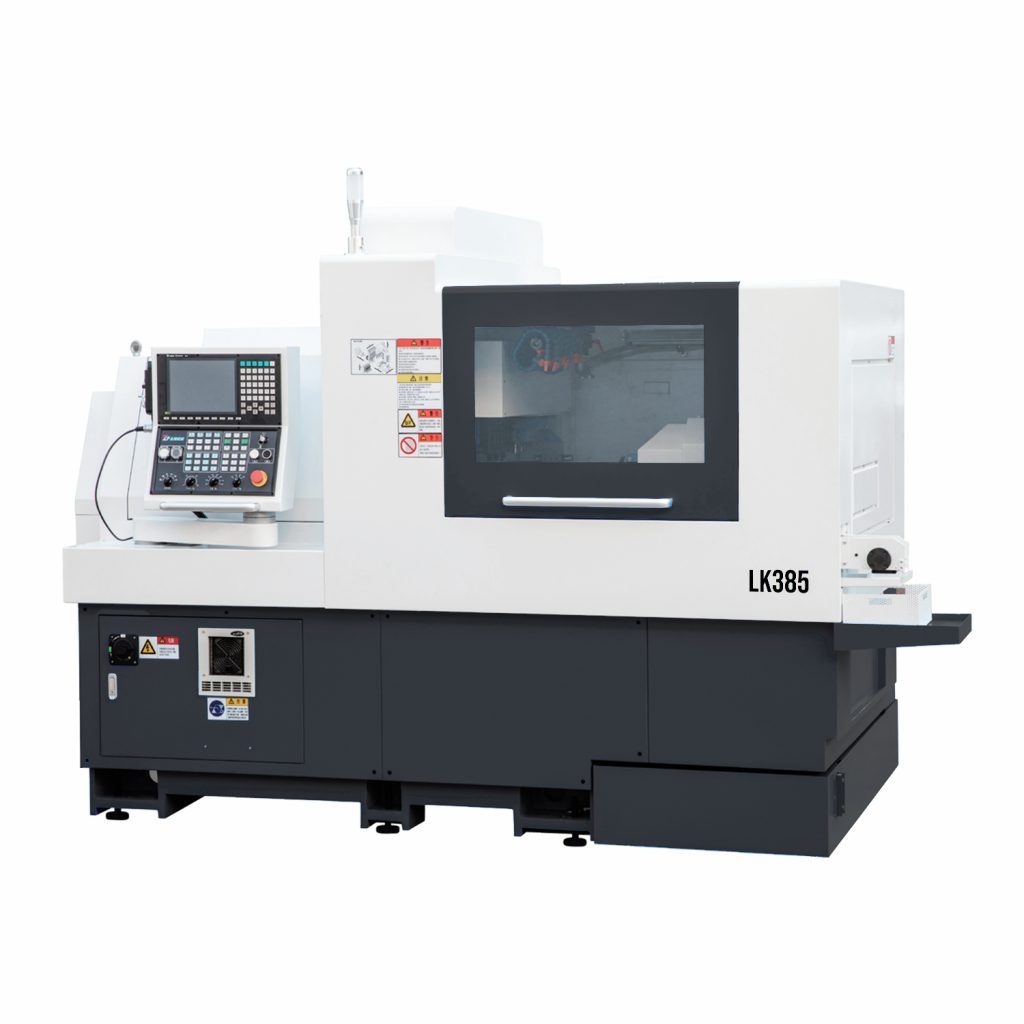
I’ll use plain talk, toss in a few shop words (servo motors, spindle speed), and tell you what I’ve seen fail — and work — on real floors. Stick with me — we’ll move from “why it hurts” to “what’s next” without the fluff.
Part 2 — Where the system breaks: hidden pains and old fixes
cnc lathe machine for sale — you’ve seen those listings, right? They promise precision, uptime, and plug-and-play magic. But I’ve been inside shops that bought that promise and still lost time to setup errors and weird tolerance drift. The real problems aren’t always the machines; they’re the handoffs — poor programming, inconsistent tool turret indexing, and mismatch between spindle speed presets and actual stock. These are technical things, but they hit payroll hard. Look, it’s simpler than you think: fix the inputs and you cut the firefights.
So what’s the recurring snag?
We see repeated issues with tooling libraries not syncing across CAM and control units, bad presets for idle times, and power converters that under-deliver on peak loads. I’ve watched operators restart cycles to clear a tiny offset that should have been prevented by proper machine calibration — tense, annoying, and totally avoidable. We mostly blame the machine, but the root is process: flaky maintenance logs, weak training, and mismatched specs between job orders and machine capabilities. The result is scrap, rework, and slower throughput — and that cuts into every quote you give. — funny how that works, right?
Part 3 — Looking forward: new plays, real cases, and how to pick right
Okay — now let’s look ahead. I’m seeing shops adopt layered fixes: better sensors, smarter CAM setups, and workflows that treat the lathe like part of a system not a lone star. Take the live tool cnc lathe approach: tools that swap and cut live let you combine turning and milling without extra setups. In one plant I visited, switching to live tooling and tightening tool turret offsets dropped cycle time by 20% within weeks — not vaporware, actual shop-floor wins. That’s the kind of move we should be talking about more. (Short sprints, then scale.)
What’s next for buyers and floor leads?
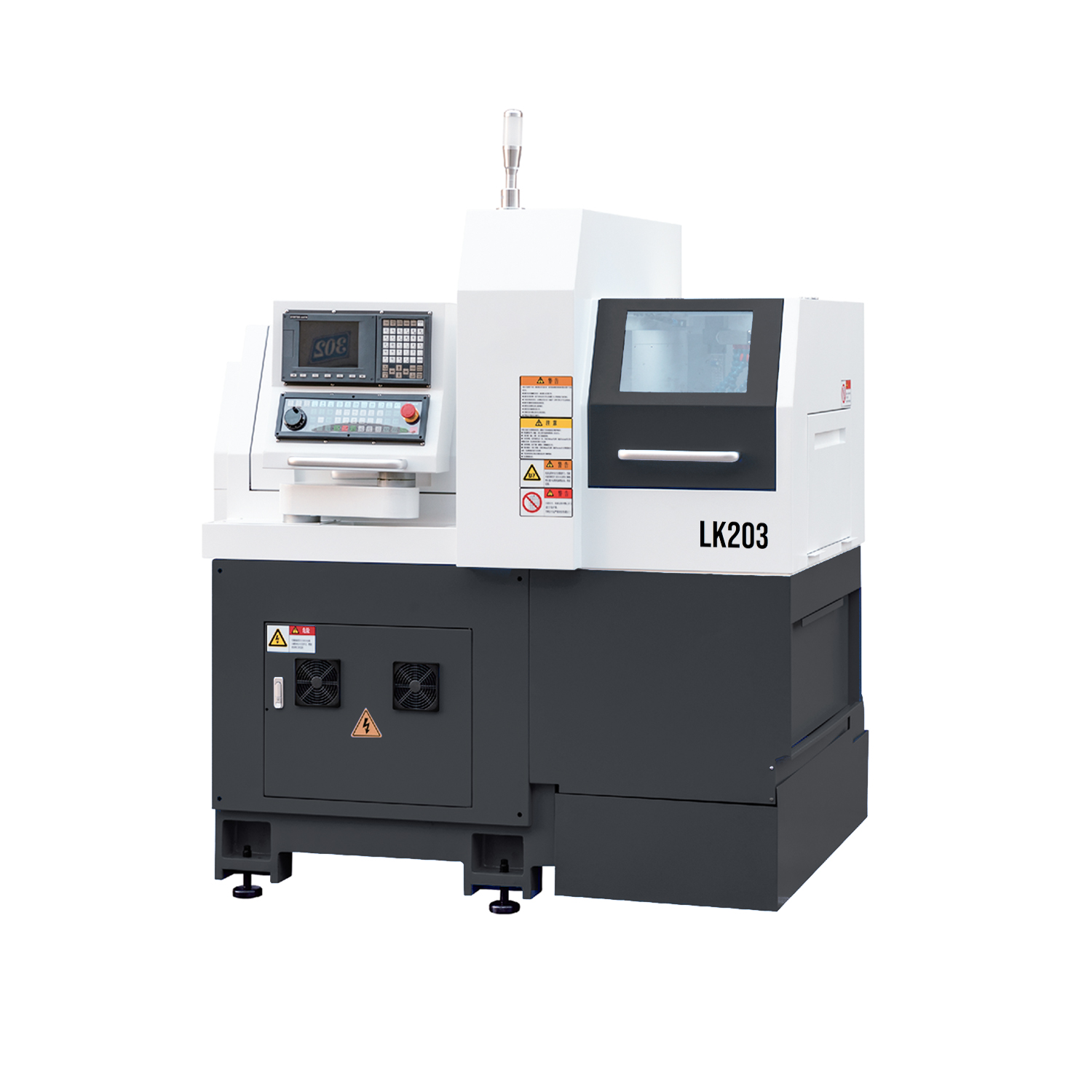
I want to leave you with three clear metrics I use when we evaluate gear and processes — they’re practical and measurable. First, uptime reliability: track mean time between failures and how fast a fault clears. Second, repeatability under load: measure part-to-part variance after a long run, not just on a fresh setup. Third, integration fit: does your CAM, CNC control unit, and tooling library talk to each other without constant manual edits? If two of these are weak, you’ll bleed hours. When I advise teams, I push them to score vendors on those three and then run a small live trial before big purchases. You’ll avoid the worst surprises, and — trust me — it saves money.
We’ve covered where things trip up and where real gains sit. I’m not selling hype — I’ve seen these fixes work. For hands-on options and solid machines, check brands that back their tech and service — like Leichman.