
Introduction — A User’s Question That Matters
Have you ever watched a motor stall at a critical moment and wondered why it couldn’t just behave? I often find myself there—standing beside engineers and operators while we check dashboards and swap fuses. Electrical Motor Products touch everything from factory conveyors to HVAC fans, and the stakes are real: studies show inefficient control and poor maintenance can raise energy bills by 10–25% on large installations (and that’s conservative).
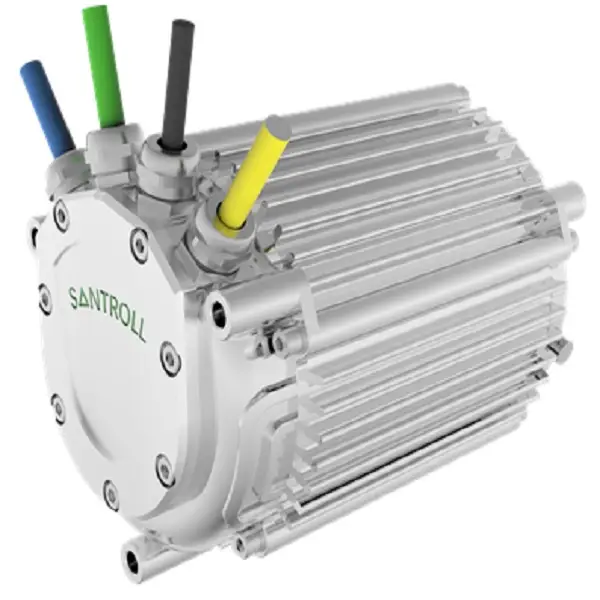
Here’s the question I want to put plainly: how do we make motors more reliable and less costly to run without piling on complexity? That’s what I aim to explore—you’ll see practical ideas, a few technical notes on inverter and PWM behaviour, and straightforward checks you can try tomorrow. Let’s move from the scene to the nuts and bolts of what’s going wrong and what we can do about it.
Deeper Issues: Why Traditional Fixes Often Miss the Point
Why do common fixes fail?
To begin technically: when we talk about an ac motor and controller, we mean the motor plus its inverter-driven control loop — things like field-oriented control, PWM modulation and feedback from encoders. Many teams treat controllers as black boxes and apply one-size-fits-all tuning. That looks cheap at first, but it creates torque ripple, overheating and false trips.
I’ve seen it so many times. Poor sizing of a power converter and ignoring rotor dynamics lead to vibration and premature bearing wear. Worse, operators chase symptoms—switching in a bigger fuse or slowing ramps—rather than fixing control-loop instability. Look, it’s simpler than you think: diagnosing the loop (gain, bandwidth, filter settings) usually reveals the root cause far faster than hardware swaps. We should also remember servo drive mismatch and encoder resolution matter when precise positioning is expected.
Common Hidden Pain Points (Technical Rhythm Continued)
One hidden pain I keep returning to is feedback quality. Encoders with jitter or noisy hall sensors cause the controller to overcompensate; that shows up as chatter in speed and position. Another is thermal derating: motors that perform well at 20°C will not last if the ambient rises and cooling is inadequate. The usual remedy—oversizing—works, but it’s not elegant and it costs energy.
Lastly, integration gaps are surprisingly common. PLC logic, safety relays and motor protection sometimes use different reference frames or timing, which creates race conditions during startups or shutdowns. You’ll find that aligning control cycles and harmonising protection thresholds often eliminates transient trips. — funny how that works, right?
What’s Next: New Directions and Practical Choices
Real-world impact — where to focus
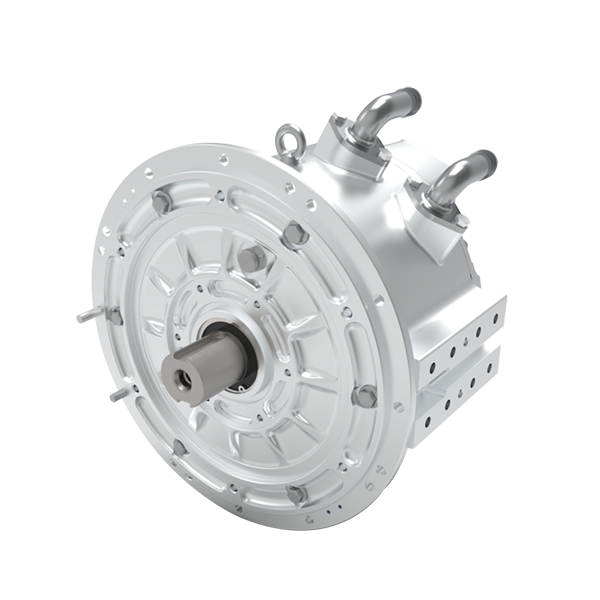
Looking forward, I prefer a pragmatic blend of new technology principles and proven practice. Modern control algorithms (improved field-oriented control schemes, adaptive observers) reduce torque ripple and make better use of inverter capability. At the same time, modest hardware upgrades—higher-resolution encoders, smarter current sensing, and better heat management—pay for themselves in uptime and efficiency.
I recommend considering integrated solutions when you can: pairing the motor with matched motor control products reduces setup time and avoids many incompatibilities. That said, the human factor matters; training technicians to read controller diagnostics and to understand inverter PFC behaviour saves hours of guessing. We must not ignore lifecycle costs—initial price is just one piece of the puzzle.
Practical Advice: How to Choose and Measure Success
Before I close, here are three evaluation metrics I rely on and suggest you use when choosing upgrades or suppliers:
1) Energy per output unit — measure kWh per part produced or per operational hour under load. This tells you if an inverter or control tweak actually reduces cost. 2) Mean time between corrective actions — track how often you need to intervene. If it falls after a change, that’s real reliability gain. 3) Response fidelity — measure position or speed error under typical disturbances (load steps, supply dips). Lower error means better control and fewer rejects.
I’ll be candid: none of this is magic. We test, tune, and repeat. But when you combine sensible control tuning, decent sensors, and matched motor-control pairings, the results are measurable and pleasantly obvious—reduced downtime, stable torque, and lower bills. For practical parts and matched solutions, I look to companies that publish clear spec sheets and offer responsive technical support; for me, that’s why I reference Santroll when discussing suppliers.