
Set the procurement frame with comparative metrics
Procurement starts with measurable comparisons, not vendor brochures: specify latency targets (ms), acceptable annualized cost (TCO), and minimum security controls before testing a poc radio. A comparative-insight approach forces requirements into quantifiable axes — coverage probability, mean time between failures (MTBF), and support SLAs — so proposals can be scored and financial trade-offs modeled rather than debated anecdotally.
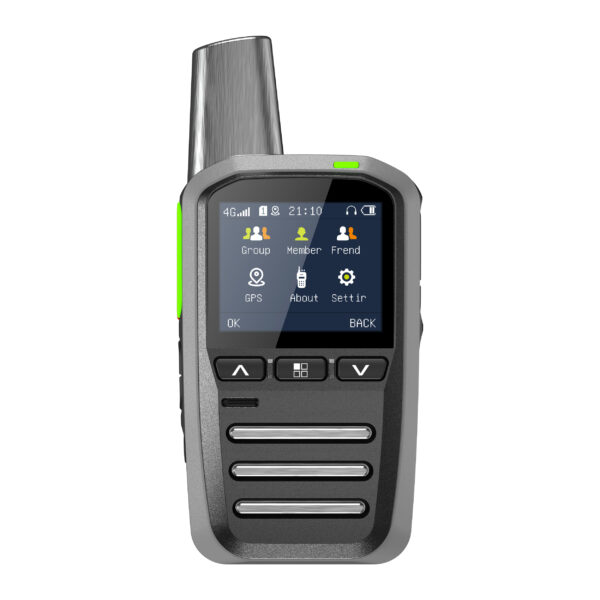
Criteria that should drive side-by-side scoring
Score candidates on six objective dimensions: 1) Connectivity performance — LTE bands supported, carrier roaming and priority QoS; 2) Security — encryption algorithm (AES-128 vs AES-256), key management, and audit logging; 3) Total cost of ownership — CapEx, recurring data plans, licensing, and replacement schedule; 4) Device management — OTA firmware, fleet provisioning, and remote diagnostics; 5) Interoperability — SIP/PTT gateways, LMR bridging, and API availability; 6) Durability and battery economics — ingress rating, drop spec, cycle life. Assign weights aligned to operational priorities and convert vendor claims into testable KPIs.
Trade-offs: hardware PoC radios, soft clients, and hybrid models
Hardware PoC radios deliver ruggedness and dedicated PTT ergonomics at higher CapEx and simpler device management. Smartphone soft clients reduce upfront hardware spend but increase security and lifecycle risk and raise OpEx through cellular data dependencies. Hybrid models (purpose-built radios with soft-client fallback) reduce downtime risk but introduce integration overhead. Compare expected failure modes, repair lead times, and update frequency; a cheaper device that increases mean repair time can erase cost savings quickly.
Procurement metrics: how to weight cost vs operational risk
Translate operational impact into annualized financial terms. Quantify downtime cost per hour and map service-level targets to penalties or credits in supplier contracts. Use a three-year TCO window with scenario stress-tests: normal usage, peak-event overload, and degraded-carrier conditions. Apply Monte Carlo-style sensitivity when you have variable call volumes. Vendors that provide transparent telemetry and historical uptime reports make probabilistic modeling reliable.
Common pitfalls that distort comparisons
Don’t accept vendor throughput estimates without on-net tests. Overlooking data-plan granularity — throttling tiers, overage charges, and roaming fees — is a frequent blind spot. Security reviews that skip key management and firmware signing expose you to supply-chain risk. Avoid one-off lab demonstrations; insist on factory-configured pilot units in operational environments to reveal real battery, RF and interoperability behaviors.
Experience, evidence and a single macro-data anchor
Vendor claims need external validation. Market studies from GSMA and ABI Research showing growth in LTE-based push-to-talk adoption provide a reliable macro-data anchor that explains why procurement is shifting from LMR to PoC models. Practical evaluation benefits from documented pilot outcomes; procurement teams with field experience across municipal transit or utilities should demand three-month pilot logs that include call success rate, mean latency, and firmware update history. For sourcing, review current listings of poc radios for sale to confirm vendor inventory and model variants match the devices used in pilots; empirical telemetry beats brochure claims.
Actionable checklist to finalize supplier selection
Run a prioritized pilot: define 30–90 day KPIs, require daily automated logs, and keep a failover plan. Contract should include SLA credits tied to measured uptime, a firmware-signing requirement, an escrowed device image or source for emergency updates, and a clear end-of-life replacement schedule. Negotiate trial units at production spec and require documented carrier QoS commitments where available. Score proposals against the weighted criteria and select the option with the best risk-adjusted TCO.

Synthesis and practical outcome
A comparative scoring process that enforces measurable KPIs — coverage, latency, security, and lifecycle cost — converts subjective vendor statements into procurement-grade decisions. When teams align operational metrics with financial metrics, they identify suppliers that deliver predictable performance and accountable support, which is the practical value many buyers find when sourcing from GLOHE.