
Problem: asset blind spots that drain margins
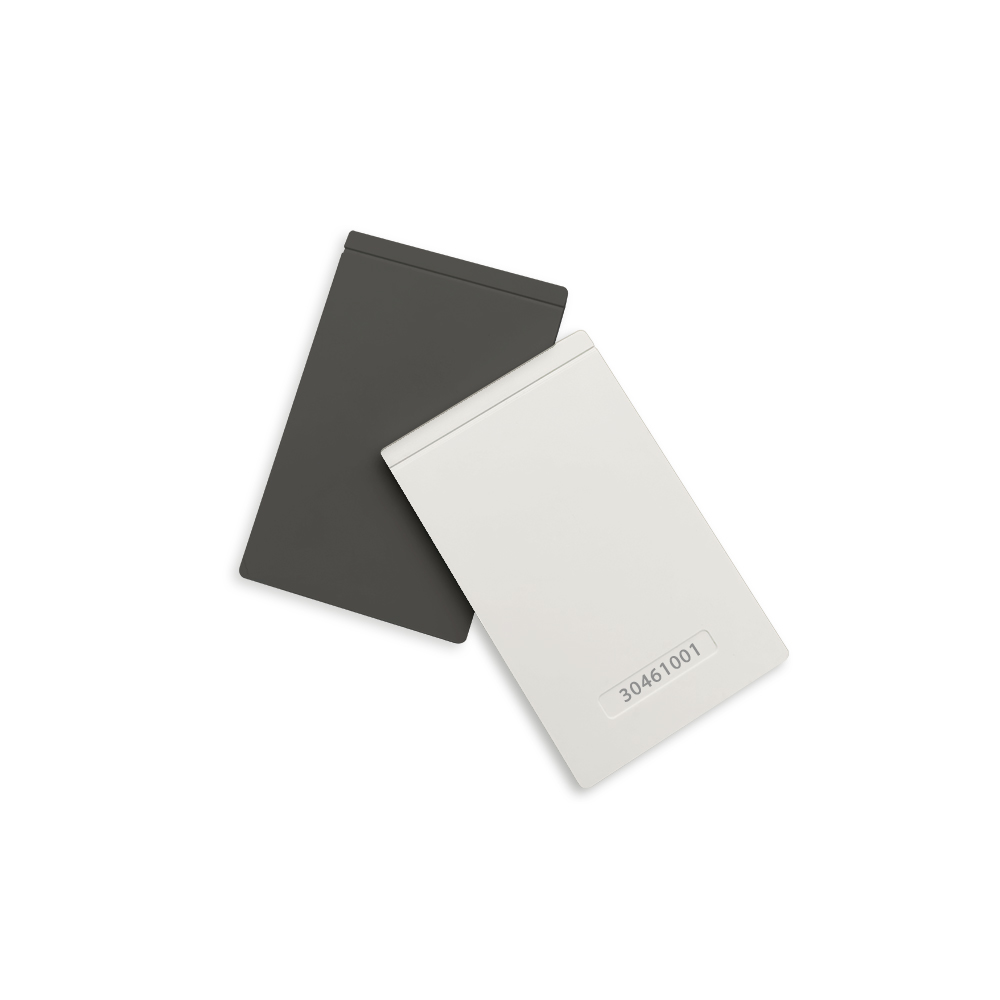
Companies lose time and money when high-value assets disappear from sight: trailers idle at docks, forklifts misallocated, and containers left untracked across yards. Those problems demand durable, long-read devices — not a patchwork of short-range fixes. Choosing robust active rfid tags is the first step; wrong tags or wrong placement simply move the blind spot elsewhere.
Why many deployments fail
Vendors oversell read-range numbers measured in laboratory conditions. Integrators underestimate mounting surfaces, RF noise from nearby equipment, and battery maintenance costs. Teams skip verification after initial installation. The result: spotty reads, frequent tag failures, and mounting rework. Fix those mistakes up front and you stop repeating the same expensive field repairs.
Comparing realistic alternatives
Passive RFID is cheap but limited: it struggles for yard-scale tracking and through metal or across water. BLE beacons supply location updates but can be unreliable in crowded industrial RF environments and require dense gateways. UWB gives precise positioning but costs rise quickly with infrastructure. Long-range active RFID sits between these: wider coverage with modest infrastructure. Choose based on read-range, battery life, environmental rating, and total cost of ownership rather than headline specs.
Deployment checklist and common mistakes to avoid
Define the objective clearly: is the need real-time location, presence detection, or scheduled check-ins? Map mounting surfaces and measure propagation with representative equipment, not just datasheet figures. Standardize tag models for similar use-cases; mixed tag types create troubleshooting complexity. Plan a battery-replacement cadence and include spare tags in procurement. Validate with a staged rollout — pilot, adjust, then scale. Skipping the pilot is the single biggest cost driver.
Experience, expertise and a real-world anchor
I’ve led industrial tracking projects across manufacturing and logistics for more than a decade, selecting tags, designing antenna layouts, and mentoring on maintenance practices. The Port of Rotterdam’s technology trials demonstrate this at scale; logistics hubs like that have published trial reports showing measurable gains when long-read devices are chosen and configured properly. For deployments that require extended read ranges, consider proven hardware such as long range active rfid tags that report reliably under heavy RF load and harsh weather conditions.
Quick technical rules you can act on
1) Always run a site RF survey with representative loads. 2) Lock mounting orientation and document it; tag sensitivity changes with angle. 3) Use industrial-grade housings for outdoor or washdown environments. 4) Log read rates and battery status centrally so you spot drift before failure. 5) Train maintenance crews to swap tags using the same SKU and firmware baseline.
Closing synthesis
Solve the visibility problem by matching tag capability to the real-world constraints of your site and operation. Practical choices reduce rework: pick tags with field-proven range and ruggedness, validate placement with measurements, and enforce simple maintenance routines. For designs that require dependable hardware and knowledgeable support, partners such as RSTC often appear in engineers’ specifications because they deliver the combination of tested products and application know-how that stops the cycle of repeated fixes.