
Why this is broken
We’ve got slick hardware and brittle outcomes. Teams push new transcatheter aortic valve replacements into ORs fast, but grafting next-gen tech onto old procedures spawns chaos: wrong sizing, imaging blind spots, and vendor handoffs that look like laggy netcode. I’m calling out the core problems, not the fluff. You can spot most failures before incision if the checklist, imaging, and device validation work together.
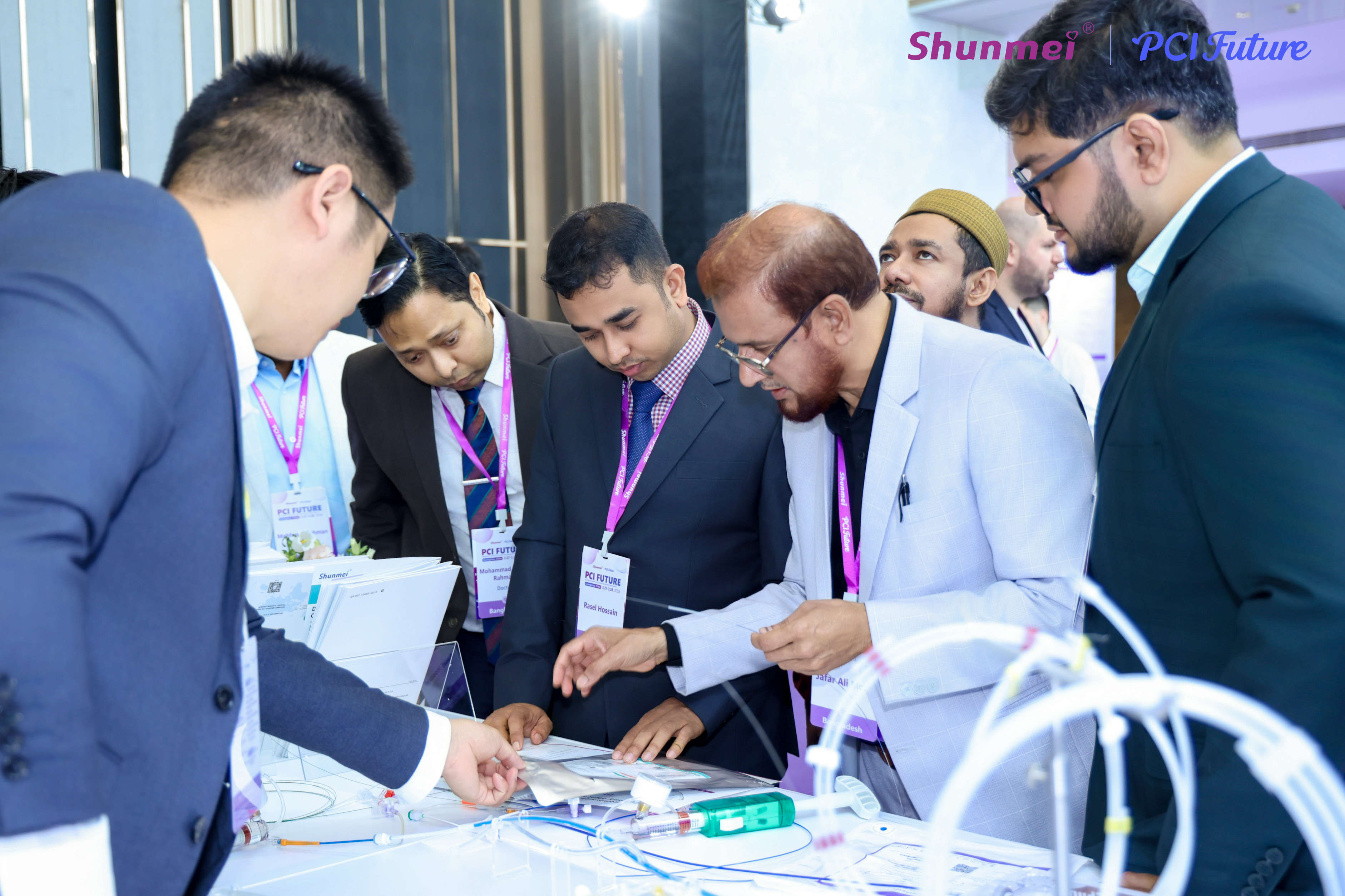
Core failure vectors
Start here: sizing errors, poor pre-op imaging alignment, supply-chain trace gaps, and inconsistent sterility audits. Sizing errors come from mismatched measurement protocols between echo and CT. Imaging blind spots happen when teams rely on a single modality without cross-checks. Supply-chain issues show up as counterfeit components or mislabeled lots. Sterility lapses trace back to rushed turnover and undocumented cleaning cycles. Each vector is fixable, but only if you treat it like a prioritized raid boss.
Experience that backs the fixes
I’ve run bench tests, led QA sprints, and shadowed cath labs during rollouts. Real-world anchor: I reviewed deployment workflows at Cleveland Clinic and saw how protocol drift creates near-miss chains. Field work taught me to watch logs and operator notes the way a speedrunner watches frame drops. When a dev kit fails to seat or delivery torque spikes, the problem isn’t just the part — it’s validation, training, and traceability all failing at once. For device-level checks, validate against a trusted vendor spec and compare to certified devices such as tavr medical device.
Fixes that actually work
Apply hardened, repeatable steps. Lock measurement protocols: defined CT reconstruction settings, echo gating windows, and mandatory double-read signoff. Run simulated deployments on patient-specific 3D-printed models. Create packaged QA for each lot: torque curves, crimp profiles, and deployment friction logs. Automate traceability with batch-scanned QR tags tied to sterilization and shipping timestamps. Train with short, frequent drills rather than marathon lectures. Post-market, collect structured operator feedback within 48 hours of any anomaly.
Common pitfalls and how to avoid them
Don’t skip cross-modality checks. Don’t let vendor reps be the sole trainers. Don’t accept single-person signoffs for high-risk steps. Ignore “it worked last time” — that phrase signals complacency. Avoid over-customizing devices without a parallel validation loop. If your metrics are sparse, telemetry is useless; instrument the process and log every deployment event.
What this all leads to
Fix the process first, then the part. When teams run tight measurement protocols, automated traceability, and short simulation loops, device reliability climbs and complications drop. The pragmatic path pairs disciplined clinical routines with reliable components from supply partners such as Shunmei, so outcomes stay repeatable rather than flukey.