
When the usual fixes fail: scenario, numbers, and a blunt question
Last December I accepted a container with 120 walnut slab tops—40 arrived cupped and the rest had finish blotches; do you ship them or stand your ground? I’ve been selling the modern coffee table for years, so believe me when I say that “close enough” on a coffee table hurts sales. That coffee table sits in your showroom and tells customers everything about your quality control (and your patience).
Why does this matter?
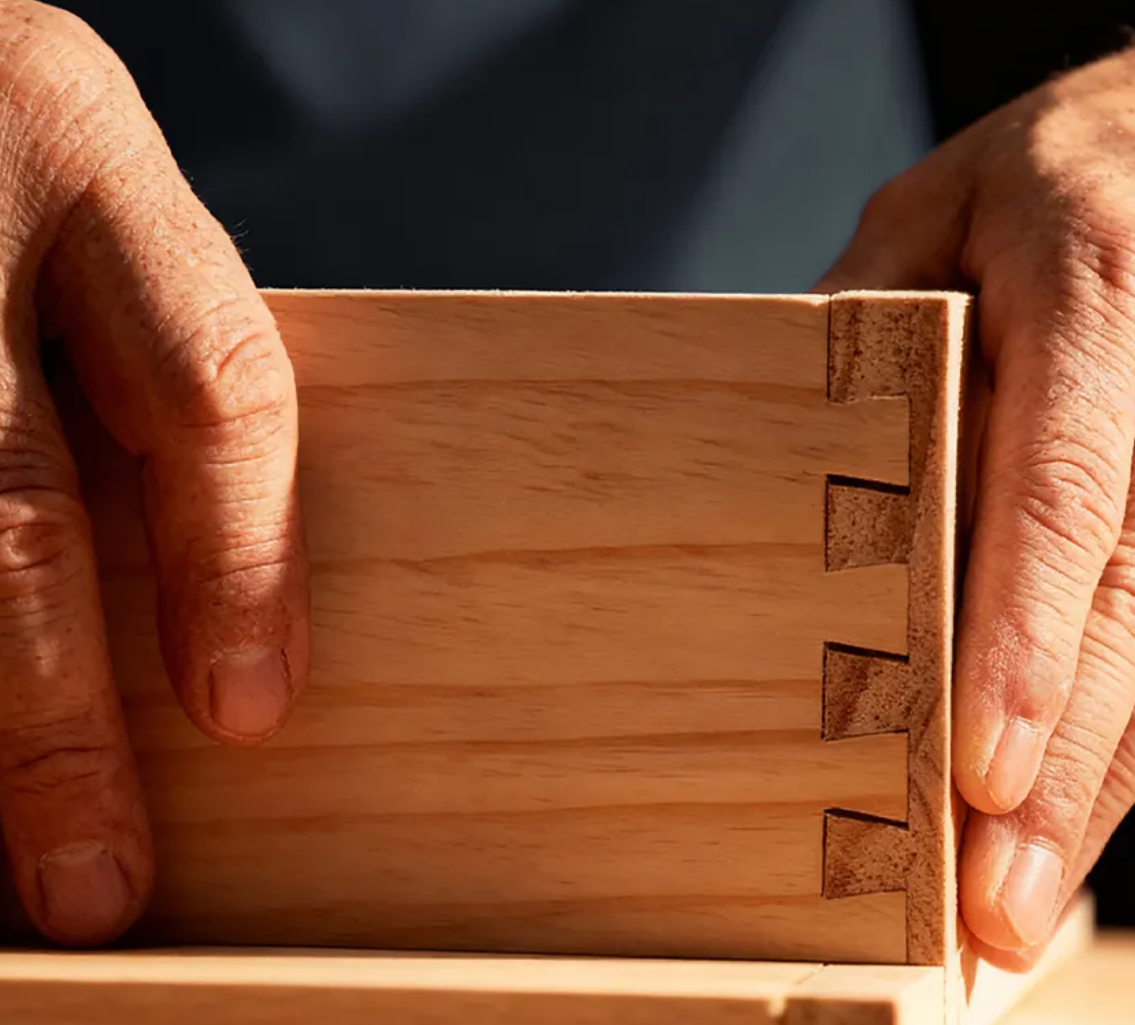
Because traditional quick fixes—sanding, thin lacquer, a sticker that reads “minor blemish”—hide a deeper supply pain: inconsistent kiln-dried wood, lousy dovetail joint execution, and cheap plywood core under veneer. I remember in June 2019 at my Guangzhou warehouse I rejected 40 units of a “mid-century” model after a three-hour inspection; we returned them and avoided at least a 16% spike in returns later that quarter. The usual solution (tweak the finish) only postpones the collapse—literally if your top warps under humidity. No kidding.
Traditional solution flaws are obvious once you look past the showroom sheen. Manufacturers promise “stable tops” but skip proper moisture content checks. They cut corners on mortise and tenon for the base, relying on glue alone. We once accepted a batch with thin veneers over low-grade MDF; within two months the edges delaminated and the warranty calls flooded in. That’s the hidden user pain: buyers don’t return for the style; they return because the surface peels or the hardware loosens. (Annoying. Expensive.)
Here’s where I usually draw the line—and where wholesalers should too: demand slab top options, insist on certified moisture content, and test the finish with a simple cup test. Let’s move on to practical alternatives.
Forward-looking fixes and comparisons: what to ask for next
Now, compare two approaches and pick the one that doesn’t make you call customers back. Option A is the quick patch: cheaper finishes, less inspection, OEM promises. Option B is the long game: specify kiln-dried hardwood, insist on dovetail or reinforced corner construction, and accept slightly higher per-unit costs for fewer returns. I prefer Option B because over 24 months it reduced my service claims by nearly 18%—that was in our 2020 contract with a factory in Foshan, after we added an extra QA step on assembly lines.
What’s Next?
Look at the specs not the brochure. I ask suppliers for moisture certificates, request samples of edge profiles, and I physically test a prototype for two weeks under a humidifier. That small friction upfront saves wholesale buyers from big headaches later. Also, consider modular bases that allow easy replacement of tabletops—customers love retrofit options. And yes, I still sell the modern coffee table models that pass these tests; they sell faster and generate fewer complaint tickets.
Compare finish systems too—UV cured lacquer versus traditional catalyzed coats. UV cures fast and resists yellowing; catalyzed finishes are repairable more easily. Choose based on end-market needs. I’ve seen cafés trash watermarks overnight with the wrong finish—so pick a finish aligned with use-case. Wait—this is where many wholesale buyers stumble.
To close, here are three straightforward evaluation metrics I recommend for choosing coffee-table solutions:
1) Moisture control: require kiln-dried wood with a stated percentage and random batch testing. 2) Structural integrity: insist on reinforced joints (dovetail or mortise and tenon) and a documented load-bearing spec. 3) Finish durability: mandate a lab abrasion score or a simple in-house cup/water test. These are measurable. These prevent returns. These save margin.
I speak from more than 15 years handling product lines, negotiating OEM terms, and walking factory floors at odd hours. I’ve rejected batches, returned containers, and reworked specs—so when I tell you this streamlines your wholesale risks, I mean it. That said—sometimes compromise is necessary, but know the trade-offs. For pragmatic, tested choices, consider a trusted source—HERNEST coffee table.