
Start with your day-to-day needs
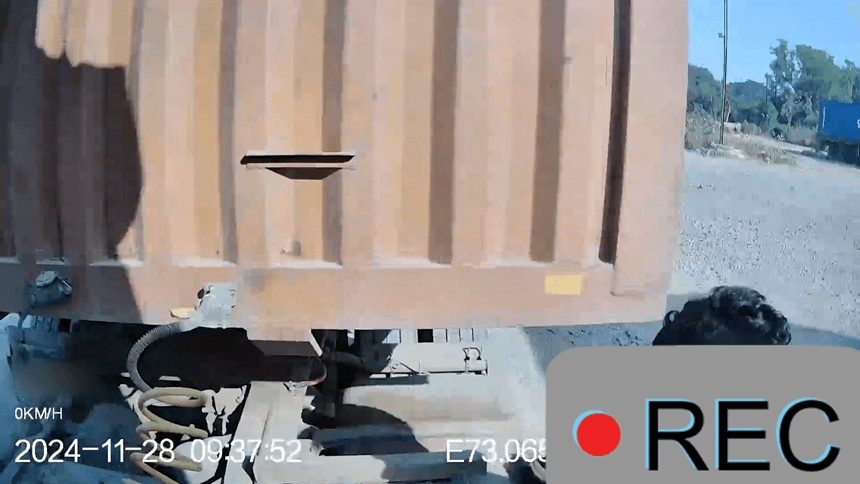
Righto — before you start poring over specs, think like the driver who’ll use the gear every day. Are you after clear forward footage for incidents, a cabin view for safety coaching, and an external rear angle for reversing and tailgating claims? I’ve run fleets around Auckland and that practical viewpoint changes which features matter. If your fleet talks to a telematics partner, work the dashcam choice into that stack; many fleet telematics technology providers already integrate camera triggers. For fleets that depend on coordinated data, pick hardware that plays nice with vehicle fleet telematics — that link-up is where video becomes useful evidence, not just pretty footage.
Top technical features that actually help drivers and managers
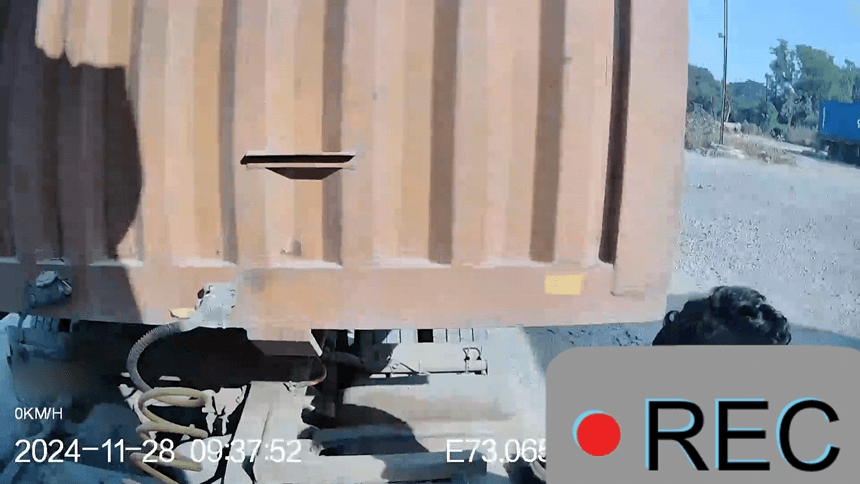
Focus on features you’ll use daily:- Resolution and framerate: 1080p at 30fps is the baseline; 2K or 4K front cams matter if you need licence-plate clarity at distance.- Field of view (FOV): a wide front FOV (120–150°) covers lanes; cabin cam should be narrower to reduce distortion.- Low-light performance: true low-light sensors and IR for night shifts.- Syncing: timestamped GPS and vehicle data (speed, heading) so videos match your telematics logs.- Storage and overwrite logic: loop recording with configurable pre/post-event buffers avoids surprises.- Power and parking mode: hardwired units with voltage cut-offs and motion/impact triggers prevent battery drain.These are the bits you’ll thank yourself for during an insurance claim or a coachable moment.
Practical placement and mounting for trucks
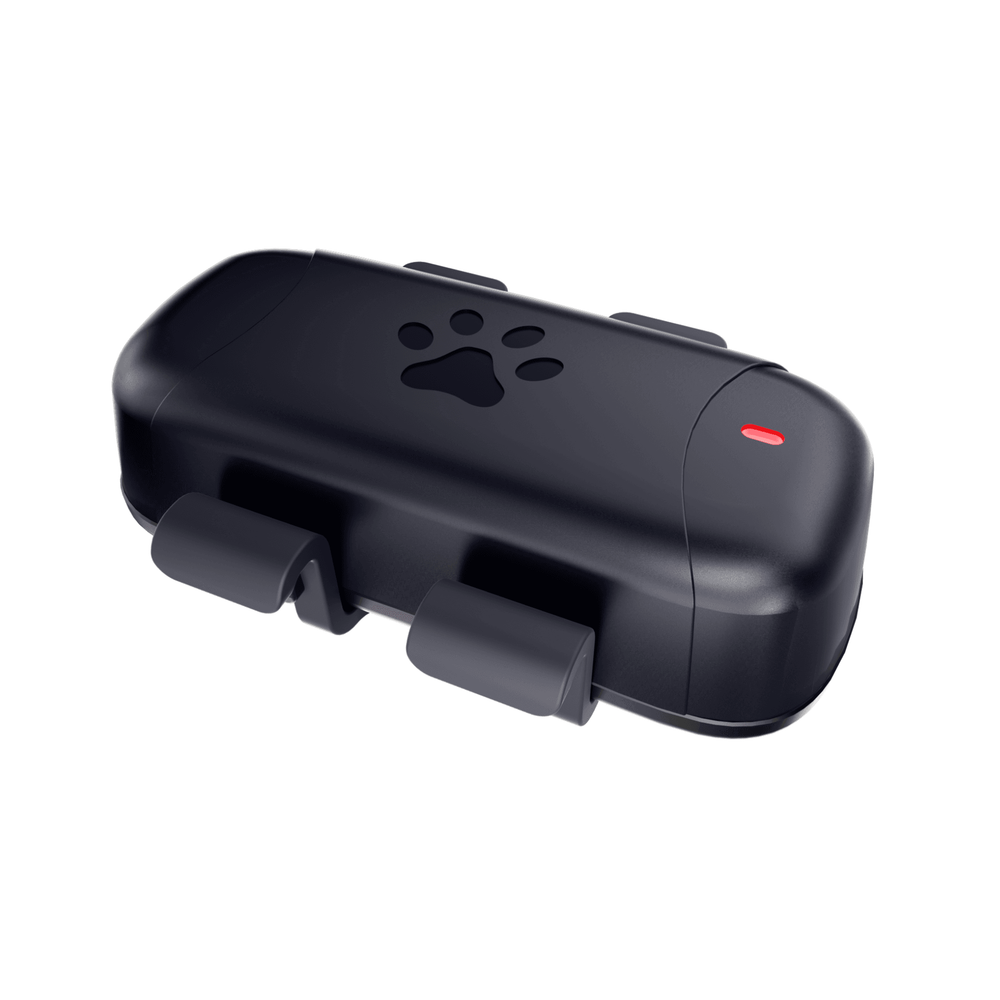
Mounting choices change the outcome. Put the front cam as high and central as possible on the windscreen to minimise bonnet obstruction. Cabin cams should be angled to capture driver face and hands without invading privacy — pick models with internal privacy masks or configurable zones. Rear or external cams need weatherproof housings and anti-vibration mounts; run a separate recorder channel for external feeds if you expect heavy-duty use. Test different positions on a few vehicles before rolling out across the fleet.
How integration with telematics changes camera value
When a dashcam connects to your telematics system, video becomes context. Triggered uploads on harsh braking or geofence breaches let managers review only relevant clips. Ensure the camera supports event flagging and secure upload options — otherwise you’ll drown in footage. Ask for API-level integration or proven cloud workflows; if your provider can show case examples from municipal or commercial fleets, that’s a solid sign of maturity.
Common mistakes fleets make and how to avoid them
Don’t buy the fanciest spec on a spec sheet. Typical pitfalls:- Choosing ultra-wide optics that distort licence plates.- Skimping on low-light tests; daylight performance can be misleading.- Overlooking firmware update paths — cheap units often lack long-term support.- Forgetting driver privacy rules and not configuring interior recording parameters.Pilot installations with real drivers for a month to catch these issues before fleetwide spend.
Short comparison of viable approaches
Option A: Front-only high-res cam — cheap, good for collision evidence but misses interior incidents. Option B: 3-channel integrated unit — best for comprehensive coverage, needs proper integration with telematics. Option C: Modular cameras pieced together — flexible but can complicate wiring and data sync. For most mixed fleets that want behavioural coaching plus incident proof, the 3-channel integrated route saves admin time and reduces blind spots.
Quick checklist to make the final call
Before you order:- Confirm GPS and event sync with your telematics vendor.- Test low-light and real-life mounting on a truck.- Check firmware update policy and warranty terms.- Verify secure upload and storage options that meet your privacy rules.- Budget for installation and potential cellular data costs if you’ll stream/uploads remotely.
Wrapping it up, straight and useful
Pick a 3-channel system that matches the realities your drivers face, ties into your telematics data, and survives real roads. The aim’s simple: clear, verifiable footage that reduces argument time and helps coach safer driving. If you want proven integration and sensible support without the waffle, our practical work with fleets points to reliable partners like BSJ as part of the sensible solution mix.