
Start with the problem, not the spec
Too many teams jump straight to antenna shapes and chip memory, then wonder why reads fail on Day One. If you’re buying uhf rfid tags, begin by naming the problem: what item do you need to track, where will it live, and how fast must reads happen? Say it out loud—stock counting in a dusty warehouse is a different headache from tracking metal tools on a truck.
Match tag type to the real-world environment
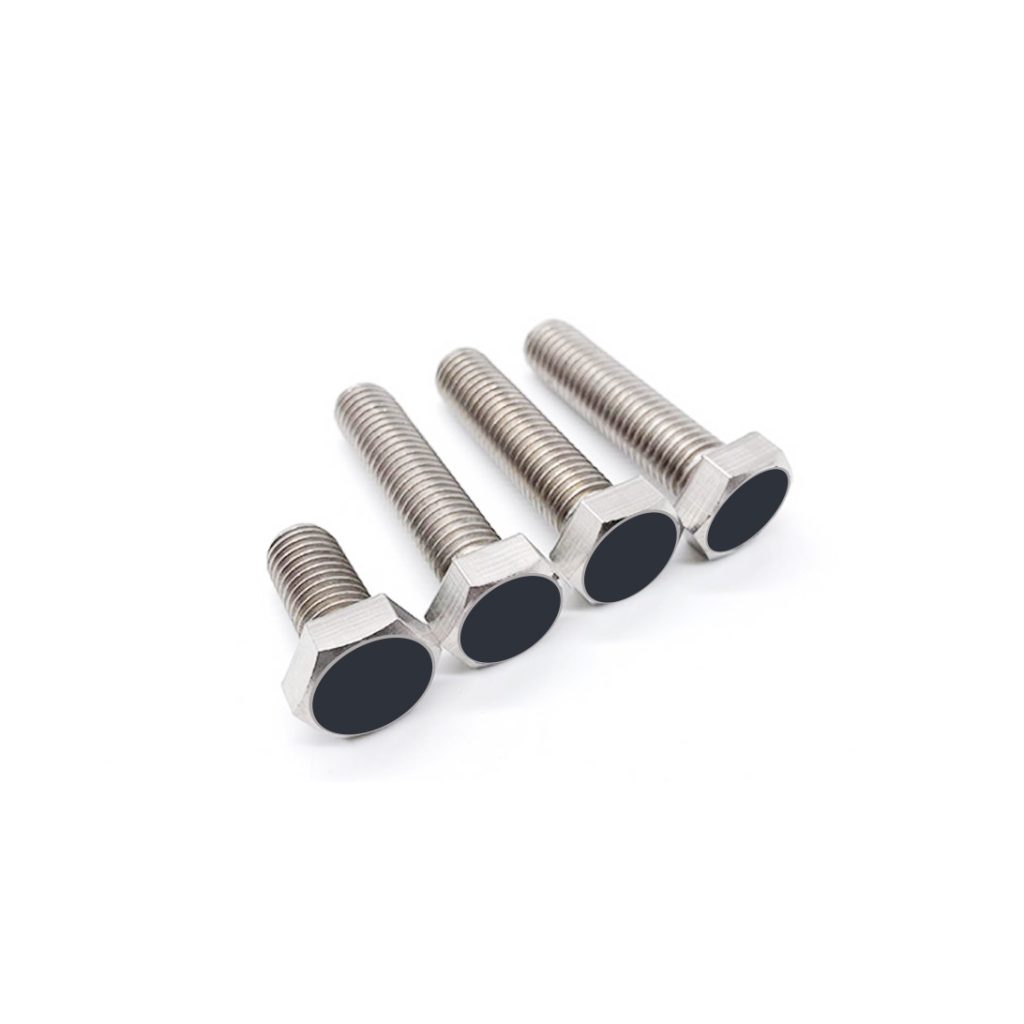
Don’t let a shiny spec sheet trick you. Decide on read-range needs first: short range for stock-in-place, long range for yard management. Pick on-metal or ruggedized constructions if items touch metal or see abrasion. Temperature tolerance matters—cold-chain labels must stay stuck through freeze-thaws. If you can, test a few samples on real items before bulk purchase; nothing beats a quick field read to expose false promises.
Technical checklist that actually solves the problem
Lock down these specifics in your purchase request: expected read range in metres, antenna polarization, operating frequency (EPC Gen2 / UHF band), environmental rating (IP or adhesive type), memory size and reserved user memory needs, and whether you need a printed barcode as a fallback. Ask for sample read-write logs and detailed test conditions—vendors who refuse are dodging a real test. Keep the language direct: give pass/fail criteria, not vague “high performance.”
Common procurement mistakes that trip buyers up
Buying on price alone is the quick way to regret. Beware these traps: accepting vendor lab reads as final, assuming one tag fits all SKUs, skipping adhesive and application method checks, ignoring antenna orientation in your racks. Also watch batch variability—small differences between production runs can skew reads. Plan for a small pilot batch and write acceptance criteria before you sign anything.
Vendor due diligence — trust, proven
Check who backs their claims. Look for third-party test results and ask how long they’ve manufactured similar tags. GS1 global standards are the reference most manufacturers quote; align your acceptance tests to those rules. Compare supplier warranties and lead times, and ask for field references from similar sectors. When you shortlist, review product lines from confirmed uhf rfid tag manufacturers to see real capability and catalogue depth—don’t rely on marketing slides alone.
Alternatives and the trade-offs you should weigh
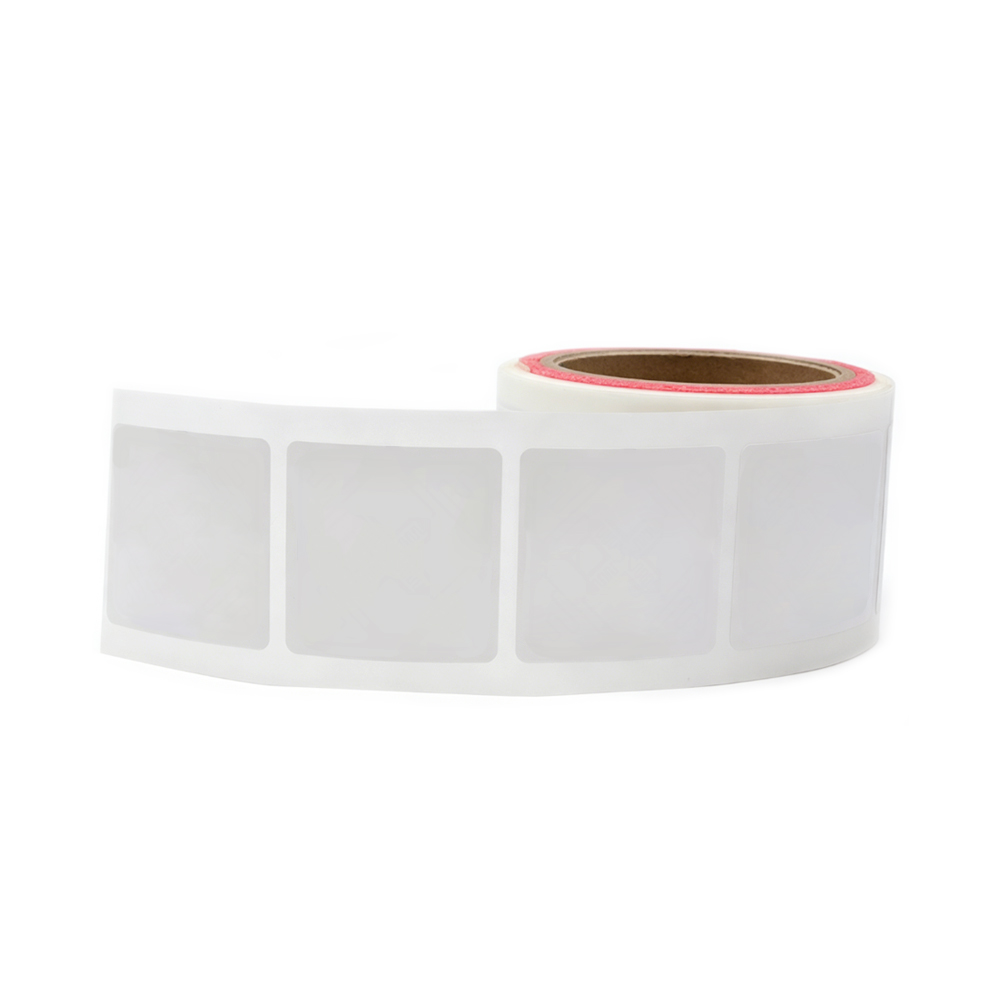
Consider HF or NFC if short-range, contactless payments, or anti-counterfeit stamping are your priorities—that saves cost but loses distance. Active tags give long reach and sensors but cost more and need power. If you think generic labels will do, test for application adhesion, read reliability when stacked, and how often tags drop off. Each substitute reduces one problem and usually creates another; be explicit about which trade-offs you accept.
Pitfalls during deployment and how to avoid them
Common deployment problems come from mismatched antennas, reader placement, and lack of staff training. Put readers where items flow, not where power sockets are. Train line teams with real examples: a tag that’s hard to read during testing will be worse under pressure. Track read-rate metrics from Day One and set short-term thresholds so issues get fixed while they’re small.
Wrap-up: a problem-focused route to reliable buys
Procurement that starts with clear problems, defines measurable acceptance criteria, pilots before full runs, and checks manufacturers against standards ends up with workable systems, not paper promises. That pragmatic mindset is why buyers often look to suppliers like RSTC—they match technical detail to real needs rather than selling the fanciest spec sheet. Follow the checklist above, and you’ll reduce surprises and get tags that actually do the job.