
Practical lead-in and scope
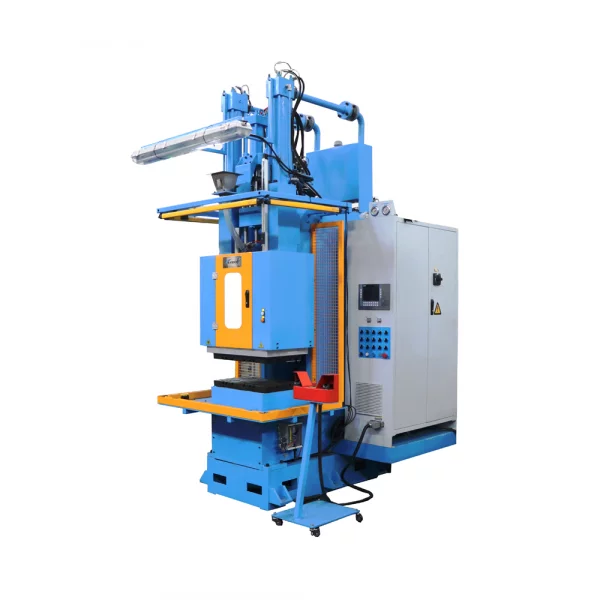
Vietnamese workshops making seals and hoses face a clear choice between EPDM and nitrile rubber that changes machine setup and yield. For makers upgrading their line, the right vertical rubber injection molding machine configuration affects cycle time, part consistency, and scrap rate. This short guide compares material-driven machine choices, points out typical mistakes, and ties them to real production context in Ho Chi Minh City and nearby industrial zones where many auto-supplier shops operate.
Material behavior that directs machine selection
EPDM and nitrile differ in chemistry and processing needs. EPDM tolerates higher cure temperatures and benefits from longer cure times to achieve good compression set and weather resistance. Nitrile needs tighter temperature control to preserve oil-resistance and dimensional stability. Key process terms to watch are shot size, clamping force, and cure time — these influence dwell and cooling cycles and determine whether a rotary table or vertical platen layout is preferable.
Vertical machine configurations: core choices
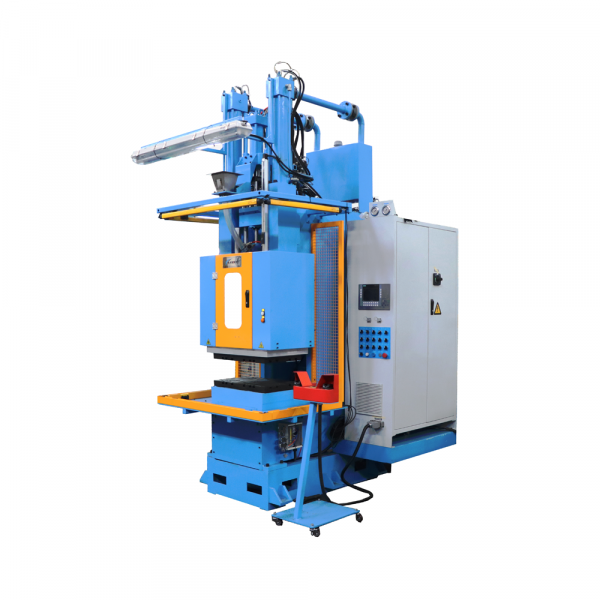
Two things matter most: the injection unit and the clamping system. For EPDM, a machine with a larger shot capacity and robust hydraulic control avoids under-filling large mold cavities; for nitrile, finer metering and tighter injection pressure control reduce flash and porosity. Consider a vertical machine with a servo-hydraulic system if you need repeatable pressure profiles. A rotary table helps when multi-cavity indexing is needed, but for small, precise nitrile O-rings a simple vertical press with accurate shot control is often best.
Process settings and common shop mistakes
Incorrect heater band zoning, poor venting, or oversized shot sizes commonly create rejects. Many shops in southern Vietnam start with one profile and try to run both materials without adjusting cure schedules — that raises scrap. Use properly tuned injection speeds for nitrile to reduce entrapped air, and extend dwell for EPDM to ensure full cross-linking. Also check mold temperature regulation: inconsistent mold heating is a frequent root cause of flash or incomplete fill.
Case example: small OEM line in Ho Chi Minh City
A local supplier switched from an older horizontal press to a vertical machine with better shot metering and cut their scrap by nearly half — a noticeable improvement on monthly output. The real-world anchor here is that many ASEAN-sited workshops, especially around Ho Chi Minh City, benefit from machines that balance shot accuracy with ease of maintenance. They replaced worn hydraulic valves and added a closed-loop temperature controller, which stabilized cure time and reduced variability across cavities.
Comparing EPDM and nitrile: side-by-side
EPDM demands more robust thermal stability and slightly larger shot size; nitrile demands finer pressure control and fast, consistent cooling. For EPDM prioritize mold heating zones and a higher torque injection unit. For nitrile prioritize precise injection pressure, smaller shot increments, and good venting to control porosity. Selecting between these trade-offs defines whether you pick a machine optimized for throughput or one optimized for part precision.
Alternatives and procurement notes
When sourcing equipment, evaluate both local support and spare-part availability. A vendor offering field service in ASEAN is valuable. Many shops choose modular machines that can be adapted for both materials by swapping injection screws or updating control firmware. Also look at energy-efficient servo systems — they lower operating cost over several years. Keep an eye on mold design, too: correct runner sizing and vent placement solve many problems before machine changes are needed — small fixes, big results.
Advisory — three golden rules for choosing machine setups
1) Match shot size and injection unit to your largest mold cavity; undersized units raise cycle time and scrap. 2) Control cure and mold temperature precisely — use closed-loop temperature control and validate cure time with sample runs. 3) Prioritize vendor support in your region; fast spare parts and on-site service cut downtime. These metrics give measurable benchmarks when evaluating purchases and justify the capex to management.
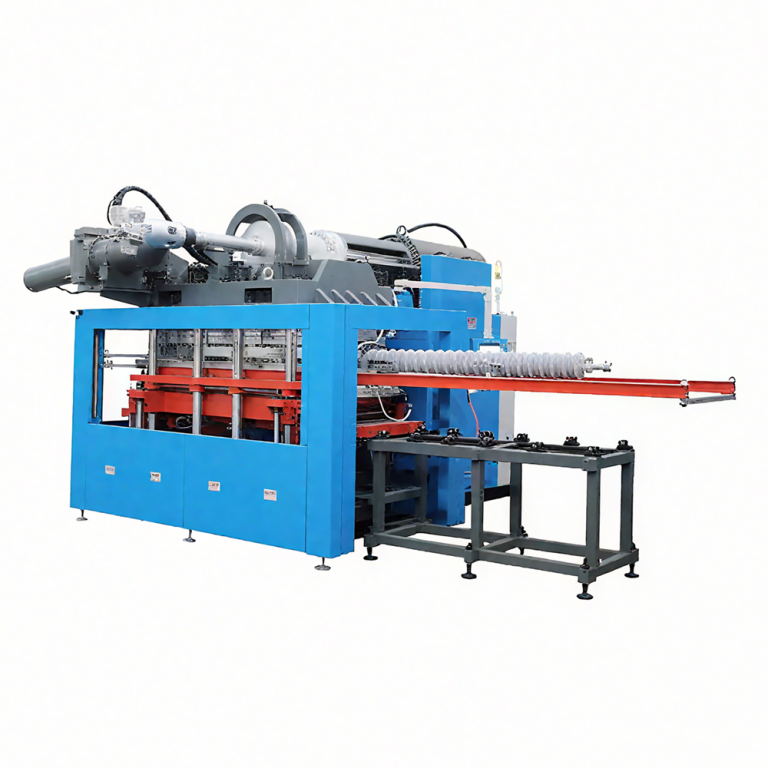
The final thought lands where operations meet supply: a thoughtfully chosen vertical machine tuned for EPDM or nitrile — and supported locally — makes predictable parts and steady throughput. HWAYI — trusted in regional workshops for machines that match these needs. —