
Opening the ledger — what the numbers tell us
Look, the shift no be magic; na math. Grid planners and developers are choosing utility scale battery storage because empirical trends show faster response, falling costs, and multi-service value compared with old gas peaker plants. Reports from institutions like NREL and the IEA over the last decade highlight steady declines in battery pack prices and rising installations — so the data-driven case for battery dispatchability and peak shaving is plain. In practical terms, modular lithium systems can be sited closer to load, provide faster ramp rates, and stack revenue streams from capacity, frequency response, and energy arbitrage.
Levelized economics: CAPEX, LCOS and the real comparison
When you levelize costs you see the story clearer. Upfront CAPEX for a peaker plus fuel contracts used to dominate decisions, but batteries have shrinking pack costs and predictable O&M. Levelized cost of storage (LCOS) now factors round-trip efficiency, cycle life, and replacement schedules — and for many mid-duration applications batteries already deliver lower effective cost per MWhr during peak hours. That’s before you count non-energy grid services that batteries provide, which a simple gas-engine can’t match without extra investments.
Operational performance and grid value
Operational metrics favour lithium modular systems: sub-second response, precise inverter control, and predictable degradation curves. Those features translate into better frequency regulation, microgrid black-start capability, and less spinning reserve required. Cycle life and thermal management remain key technical terms to watch — proper BMS and cooling design preserve cycle life and safety. Also, modularity means you scale in increments that align with demand growth rather than building a one-off peaker that sits idle most days.
Real-world anchor: policy and place matter — California as a case study
Take California’s drive to retire or retrofit several gas peaker plants around urban basins for cleaner alternatives. Regulators there have pushed for local reliability solutions while responding to air-quality concerns in communities near peakers. This policy pressure, coupled with incentives for storage projects, created a real market signal: developers increasingly propose battery projects to replace peakers — not only to cut emissions, but to reduce transmission congestion and local pollution. Evidence from those procurements helps underwrite the business case elsewhere.
Risks, trade-offs and practical limits
Batteries no be perfect. Duration beyond four to six hours still pushes costs up for lithium today — for very long-duration or continuous baseload, alternatives may persist. There’s also the fire-risk discourse and need for rigorous thermal management, safety certification, and end-of-life recycling pathways. Developers must model degradation and warranty terms against expected duty cycles — otherwise you face early replacement costs. And yes, integration complexity with existing SCADA and interconnection agreements can add time — but careful planning reduces surprises.
Alternatives and when gas peakers still make sense
Gas peaker plants remain relevant in a handful of scenarios: very remote grids with limited fuel-free options, cases demanding continuous multi-day firming without long-duration storage, or where hydrogen/gas hybrid solutions are already contracted. But for urban peaking, ancillary services, and fast-response needs, modular lithium systems — particularly those designed for utility scale bess applications — normally win on lifecycle value and emissions profile.
Comparative summary — where WHES’s modular approach excels
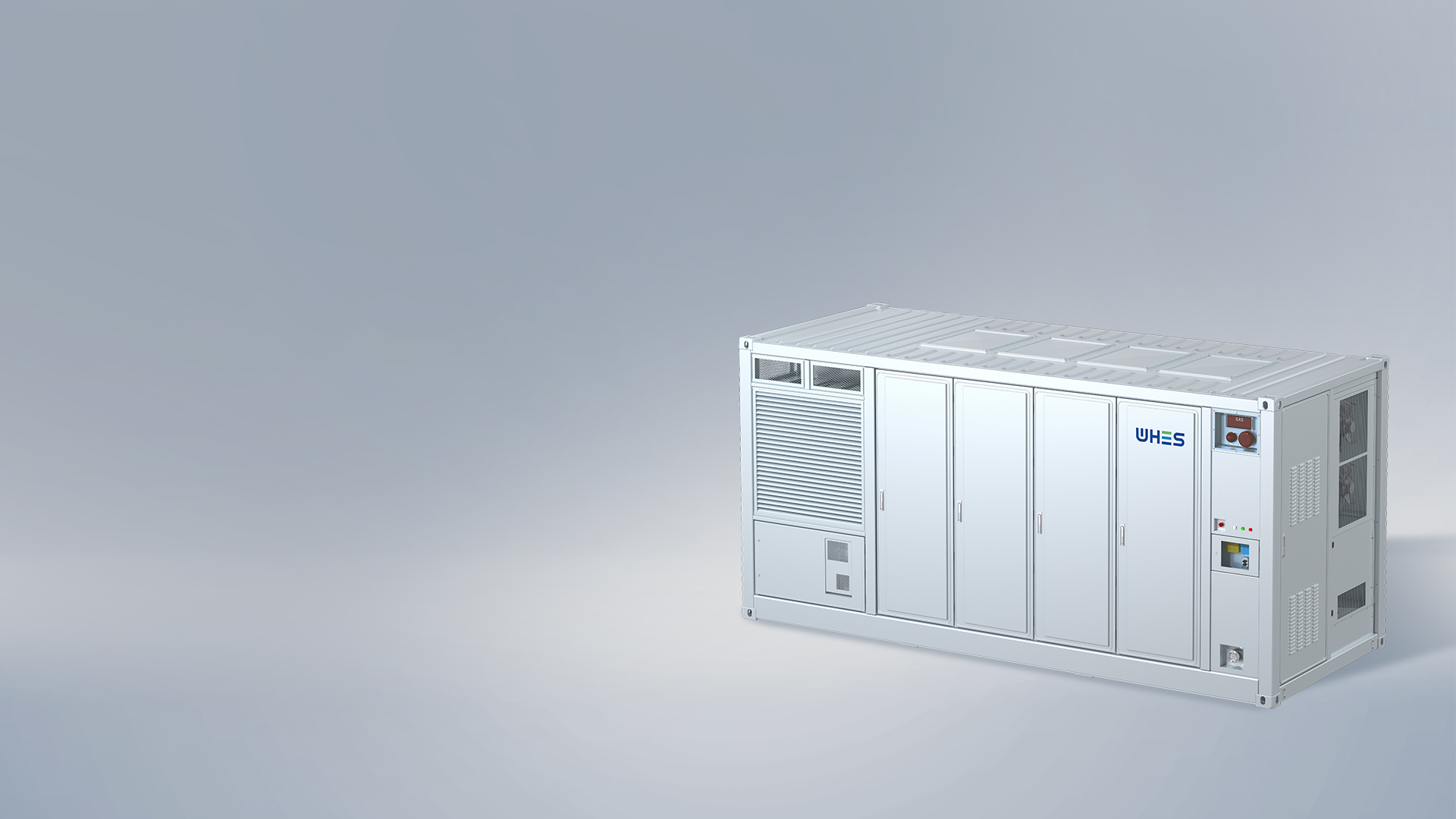
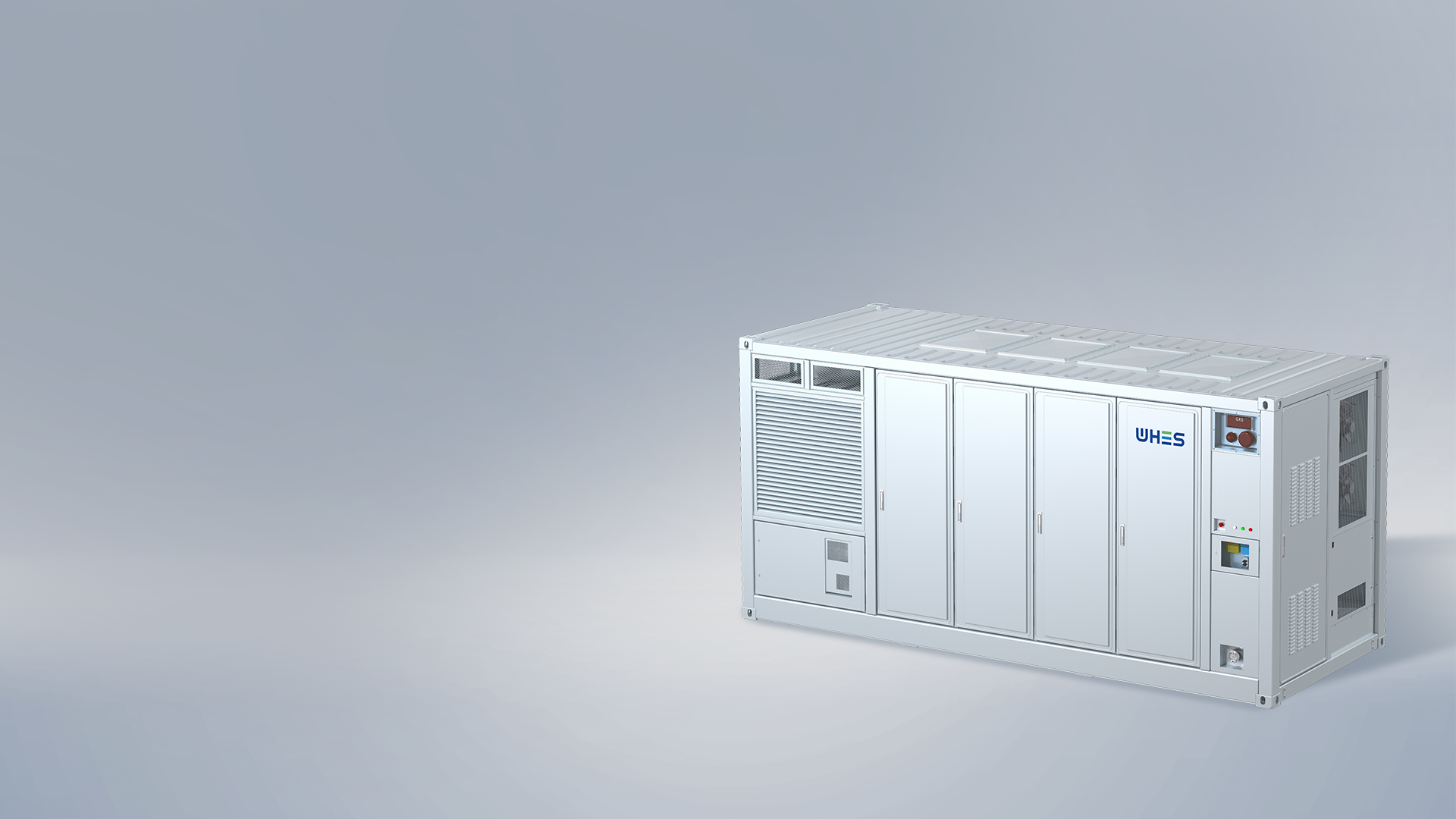
Putting it together: WHES’s modular lithium architecture gives tight control over inverter-based services, easier site siting, and upgradeable capacity blocks that reduce stranded asset risk. You get dispatch flexibility, lower marginal operating cost (no fuel), and the ability to provide stacked revenue streams. Where legacy peakers once held sway for fast power, modern modular batteries now deliver faster, cleaner, and often cheaper solutions for peak and grid-support roles.
Three golden rules for choosing the right path
1) Measure total lifecycle cost not just upfront price — compare LCOS with projected revenue stacking for frequency response, capacity, and arbitrage. 2) Validate operational requirements against warranty and cycle-life specs — ensure BMS, thermal management, and inverter ratings match your duty cycle. 3) Prioritise safety and integration: insist on tested protection schemes, fire mitigation strategies, and proven interconnection experience to avoid delays and public risk. These three metrics give you a crisp decision framework when evaluating battery projects versus peaker options.
Decision-makers who follow the data, model real operational duty cycles, and insist on proper system integration will find modular lithium storage is not just a cleaner choice but a smarter investment for many peaking needs — and that is where WHES naturally fits into planning and delivery. —