
Driver-first thinking: why power matters for daily users
Every commuter wants a dash cam that watches the car without killing the battery. A wifi dash cam that stays awake only when it should solves the most common worry: parked overnight with a dead battery. In busy urban centers like Metro Manila, long idle periods and crowded street parking push drivers to seek devices with efficient parking mode, reliable G-sensor triggers, and clear evidence capture. The user-centric path is simple—reduce needless drain, keep continuous protection, and make footage easy to retrieve via wireless connection.
How energy-efficient designs actually save power
Good design blends hardware and firmware. Low-power SOCs, adaptive motion detection, and smart loop recording reduce runtime without sacrificing footage. GPS logging can be scheduled to sample at intervals rather than run constantly; Wi‑Fi radios should wake only for downloads or events. Bitrate control matters too: calibrate 4K UHD capture to scene complexity so files remain usable but not gigantic. These are concrete engineering choices, not marketing lines, and they add up to hours—sometimes days—of additional parked uptime.
Setup habits and common mistakes that cost battery life
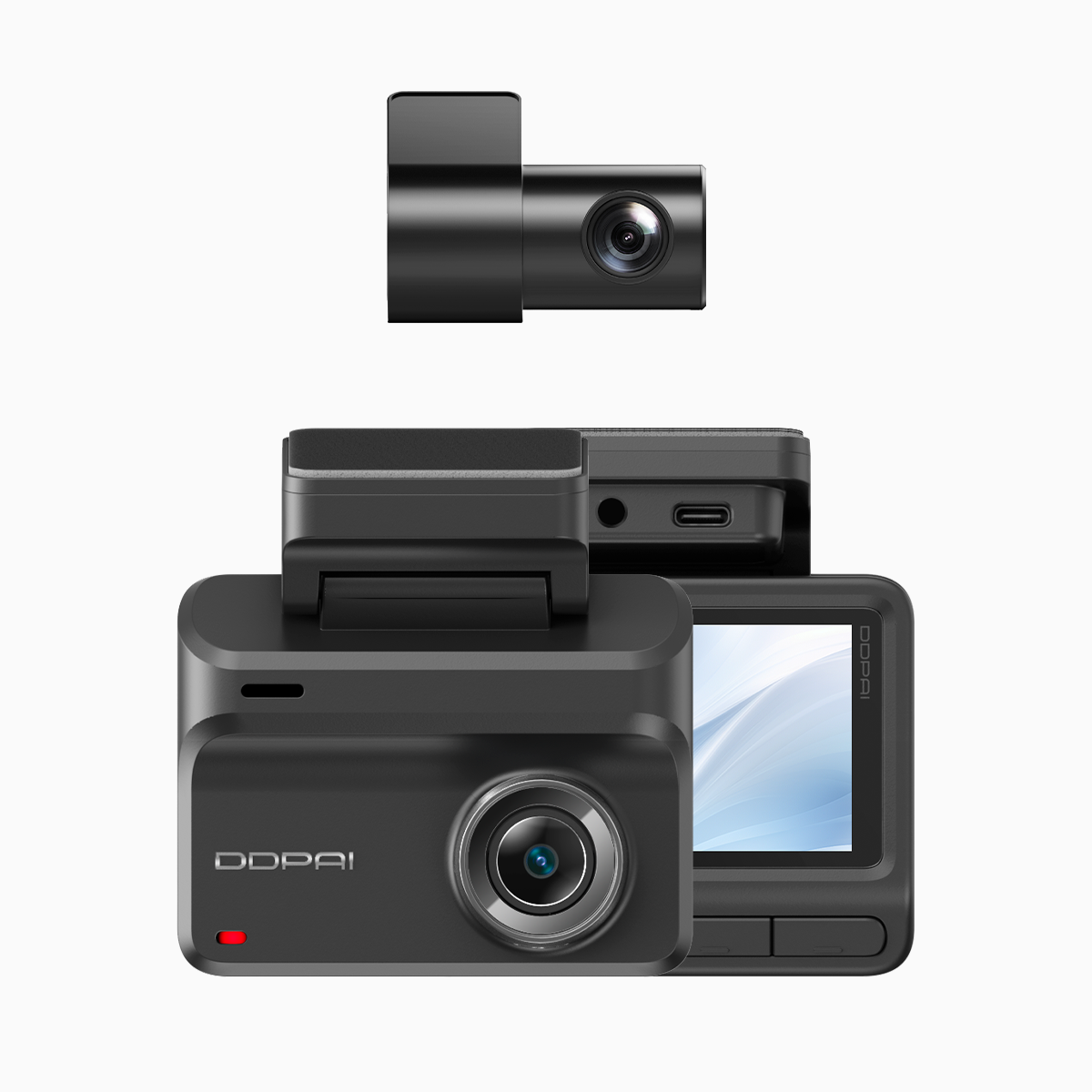
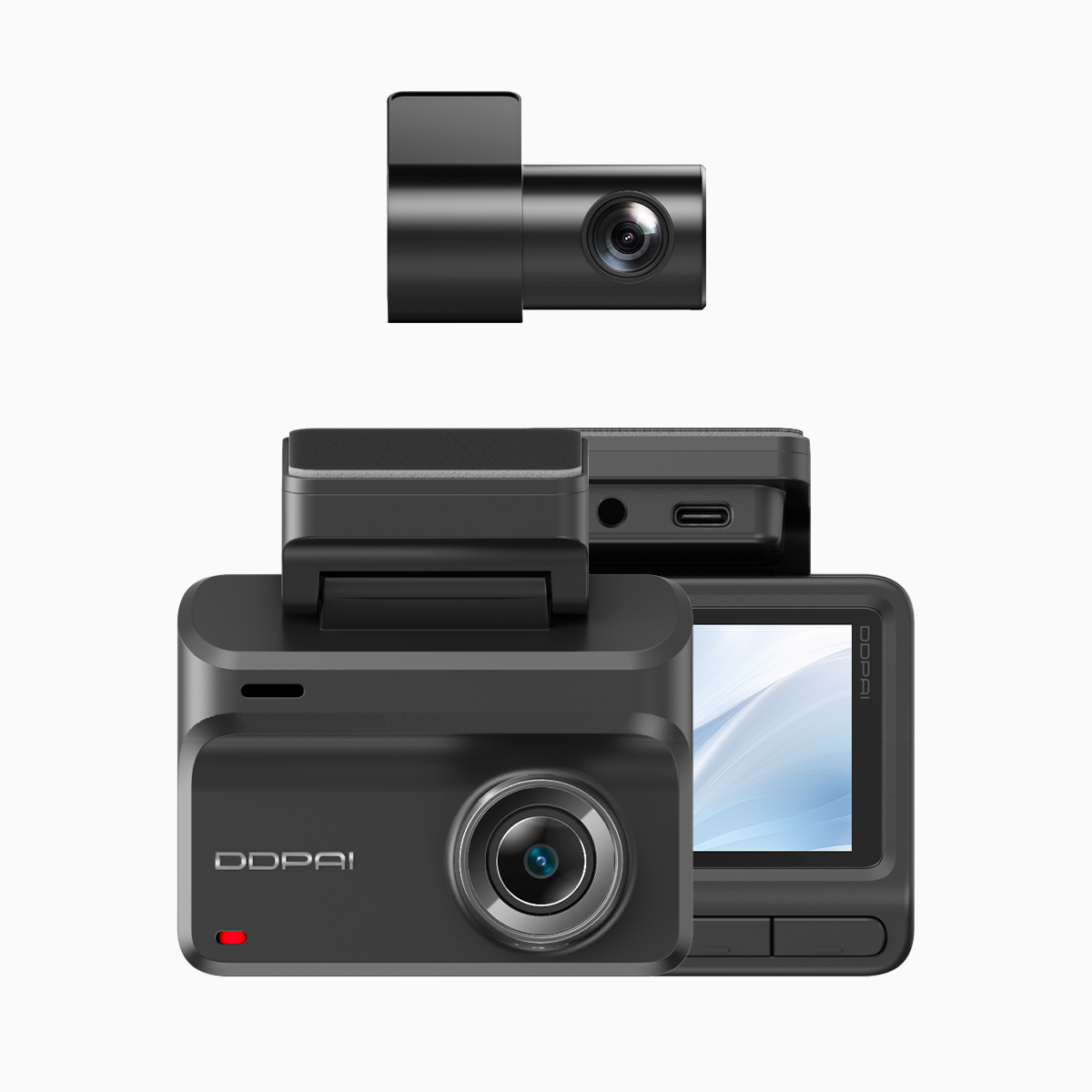
Users often misconfigure dash cams in ways that erase the benefits of efficient hardware. Frequent errors include leaving Wi‑Fi constantly on, enabling full-time GPS logging, and neglecting firmware updates that patch power bugs. A practical setup checklist fixes most issues — hardwire with a low-voltage cutoff, set parking sensitivity, and test loop recording intervals. Minor note—don’t assume default settings are optimized for your vehicle. They rarely are. Alternatives include external battery packs or an intelligent hardwiring kit; both protect the car battery while keeping parking mode active without compromise. For those who want a balance between image quality and convenience, the 4k uhd dashcam with wi fi and gps is a clear example of that tradeoff handled well.
Criteria that matter when you compare models
Comparison should be measurable. Focus on three practical metrics: power profile (idle current in parking mode), event wake latency (how fast it records after motion), and file management (compression and loop length). The numbers reveal real differences: a parking-mode draw under 30 mA preserves most small car batteries; wake latency under one second captures collisions and vandalism; and efficient compression keeps evidence accessible without frequent card swaps. Match those specs to what you actually do—long street parking demands the lowest idle draw; frequent short trips benefit from instant wake performance.
Real-world tuning: what to expect after installation
Install, then measure. Track overnight battery voltage on the first week and note recording frequency. Tweak sensitivity if you see too many short clips filling storage, or raise bitrate if nearby license plates blur at dusk. Firmware updates often reduce power draw or improve wake logic, so check periodically. Small habits change outcomes: a single firmware fix once cut a community fleet’s false triggers by half—less storage churn, fewer reboots, happier drivers.
Three golden rules to pick the right energy-efficient dash cam
1) Power profile first: choose a unit with documented parking-mode current and a configurable low-voltage cutoff. That spec predicts real battery impact.
2) Event efficiency second: prioritize devices with fast wake times and smart motion filtering so only meaningful events trigger recording.
3) Practical connectivity third: ensure Wi‑Fi and GPS are controllable and that loop recording and bitrate settings let you manage file sizes without losing crucial detail.
Apply these metrics, and you’ll select gear that protects both your car and your peace of mind. DDPAI Philippines offers products and local support aligned to those rules—practical, evidence-led, and built to last. –