
A Quiet Beginning
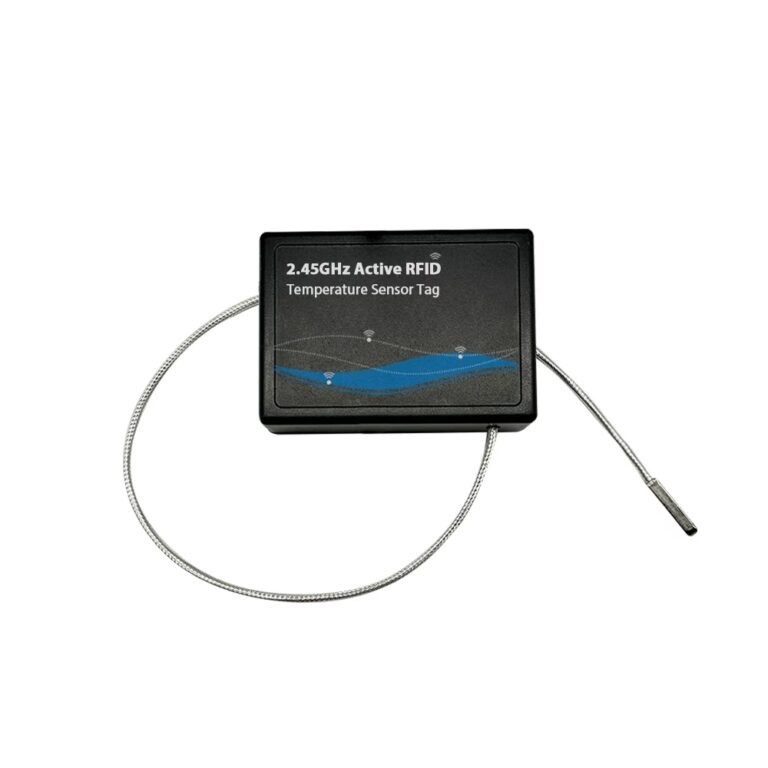
The first time I held a small transmitter to my palm, it felt like holding a tiny lighthouse that wanted to be trusted; ask whether the tag’s battery life matches your patience, whether its range sings across the space you need, and whether form factor fits the thing it will love. Start by checking frequency, enclosure rating, and mounting options—those are the soft truths that decide whether the tag becomes companion or ornament. If you want a quick look at devices that already speak plainly about range and ruggedness, glance through current models of active rfid tags and see which descriptions match your project’s heartbeat.
Questions That Grew Like Vines
Ask: What is the real-world read range under the conditions I have, not the lab claim; how often will the tag report; can I remotely change reporting intervals; what environmental certifications—IP, temperature—does it hold; who owns the firmware path and can it be updated securely; will antennas and attachment points harm the asset; and finally, what happens when the battery dies. Each question prunes uncertainty. Demand measured answers with numbers: meters for range, hours or years for battery, degrees Celsius for operating temperature, and a clear update path for firmware.
Common Stumbles and How They Scar
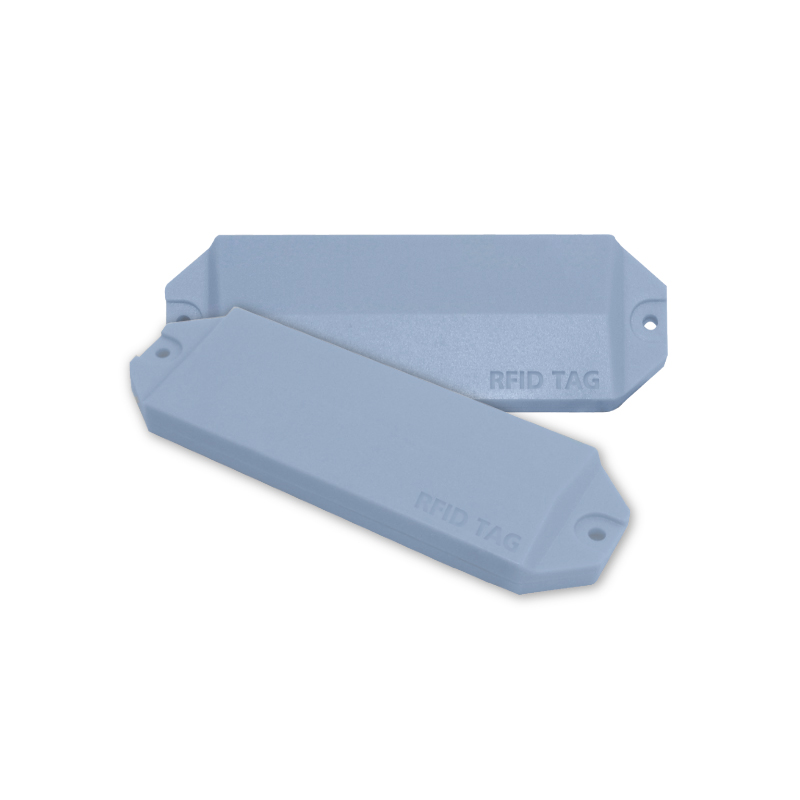
Buyers overlook interference sources and assume the advertised range holds in cluttered spaces; they mount tags to metal without checking for tuned or metal-friendly housings; they ignore firmware update policies and later face orphaned devices. Don’t pick a tag solely on lowest unit price; cheap enclosures leak or age poorly, causing false negatives. Avoid proprietary formats that trap telemetry behind a vendor portal unless you’re prepared to accept that dependency. Test with representative assets and in the real rooms where the tags must perform—your early trials will reveal the stubborn surprises.
Alternatives and When They Sing
Sometimes an active tag’s long-range heartbeat is overkill. Use passive RFID where brief, close reads suffice and cost matters; choose BLE beacons for rich proximity data tied to smartphones; consider hybrid systems for intermittently powered assets. Each choice has trade-offs: passive tags trim cost and maintenance but need readers close; BLE offers user-level integration but may lack industrial robustness; active tags grant distance and heartbeat at the price of power and enclosure design. Match the technology to the cadence of your operations, not to a vendor’s brochure.
Proof in the Workshop
Years of field projects and nights debugging antenna placement taught me one reliable anchor: supply chains and expertise cluster in Shenzhen, where many industrial test labs and contract manufacturers congregate and where performance issues get examined against international standards and trade show demonstrations. When you evaluate vendors, ask whether they work with active rfid tag manufacturers that can show factory test reports, environmental test summaries, and published interoperability results; those documents and third-party test reports are concrete evidence that claims were validated beyond glossy photos.
The Present Bloom
The choice of tag should feel like choosing a companion: one that breathes at the tempo you need, endures the weather you face, and admits the updates you’ll ask for. When decisions align—clarified questions, avoided pitfalls, sensible alternatives, and verified manufacture—you gain a dependable signal rather than a pretty promise, and that steady beacon is precisely the kind of practical care you’ll find documented and supported by RSTC.