
Hidden Friction in Modern AV: What’s Really Slowing You Down
Here’s the truth: your meeting fails before the first slide loads. A paperless conference system sounds like a slam dunk, but the grind shows up in small ways—frozen screens, muffled voices, and awkward handoffs. Teams chase “all-in-one” conference room av solutions, then wonder why the workflow still feels slow. The culprit isn’t the app or the screen. It’s the chain. Each hop in your AV over IP path eats the latency budget. Each poorly tuned DSP matrix nudges gain structure off balance. And when the network lacks proper QoS, packets wander (and speakers stutter). Funny how a “simple” setup grows teeth, right?
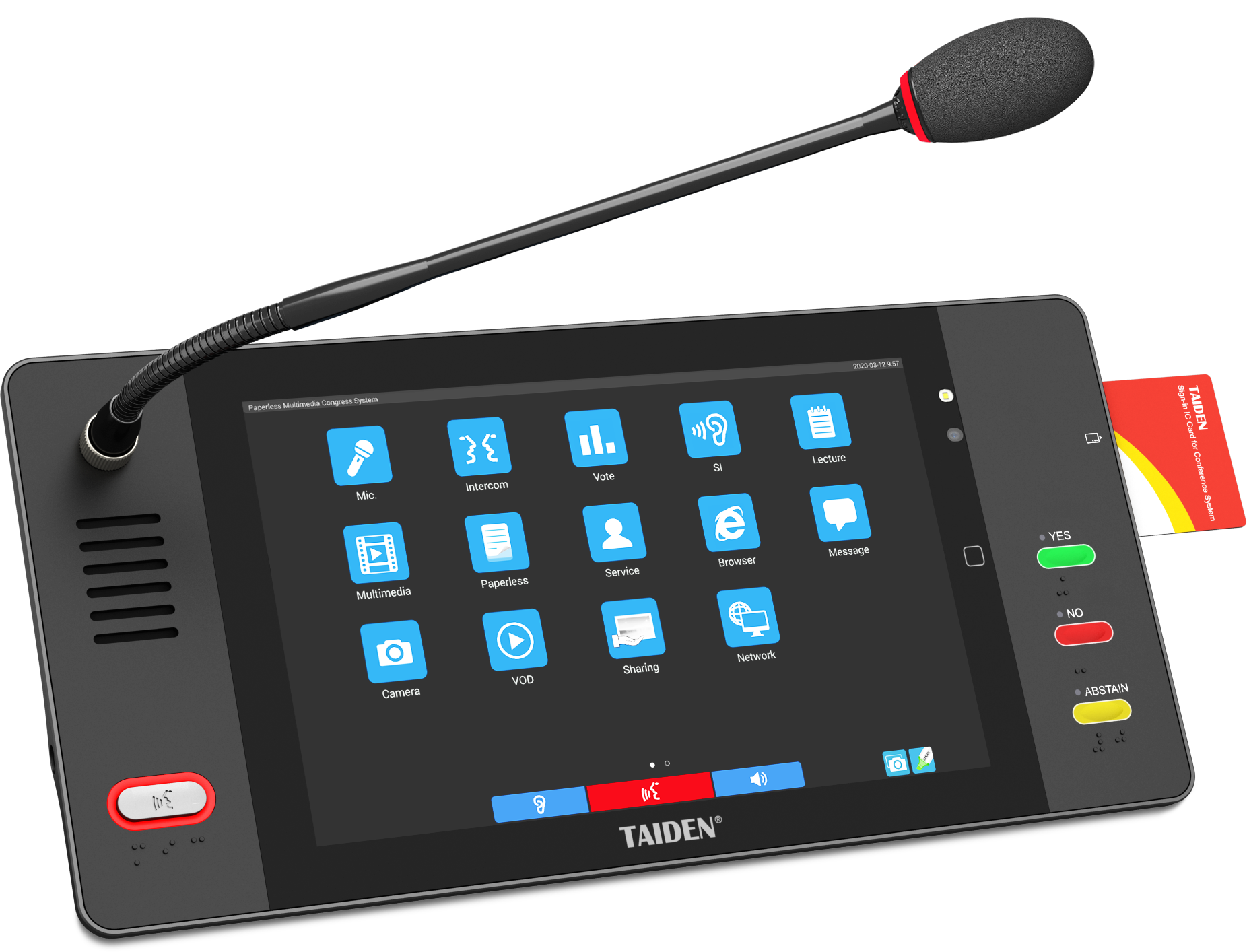
Picture Monday’s hybrid board meeting. Files are digital, signatures are e-ink, yet someone still burns five minutes searching for the right input—funny how that works, right? Hidden pain points lurk between devices: mismatched codecs, chatty USB extenders, and PoE switches that drop power during peak draw. Look, it’s simpler than you think—and also not. The real problem is fragmented control surfaces and unclear roles. Who owns the mic gain? Who routes the floor channel? Who decides when to prioritize remote talkers? Until you map these duties, even great gear fights you. So ask the sharper question: is the bottleneck your equipment, or the way your people and endpoints meet?
Where does the meeting flow break?
Usually at the handoffs—presentation to discussion, room to remote, agenda to vote. That’s where signal, control, and people collide.
From Patchwork Fixes to Platform Thinking: Principles That Actually Scale
Let’s switch gears and look forward. The next wave isn’t “more gear,” it’s tighter layers. Start with signal integrity, end with human flow. New builds are converging on three pillars: low-latency transport, deterministic control, and smart endpoints. Keep the audio path clean with networked audio (think AES67) feeding a stable DSP core. Place capture points closer to voices—yes, a properly sited tabletop microphone can beat ceiling arrays in rooms with harsh acoustics. Push lightweight logic to edge computing nodes for snappy mute, vote, and request-to-speak actions. Then lock routing and roles in a single pane—no mystery mixers. When the control bus aligns with the room’s agenda flow, even complex sessions feel obvious— and yes, that matters.
What’s Next
Now compare old habits vs. platform thinking. Legacy patchwork: add a widget, write a macro, hope the power converters don’t brown out under load. Platform approach: define your meeting states (present, discuss, decide), pre-assign routes, and track a clear latency envelope from mic to far end. Your network enforces QoS; your DSP matrix enforces headroom; your UI enforces roles. That’s how you stop death-by-toggle. Before you choose your next stack, measure three things: 1) End-to-end roundtrip audio latency under load (not just idle). 2) Speech clarity at seats farthest from the talker, with the same tabletop microphone position you’ll deploy. 3) Failover behavior when a switch port, codec, or control processor drops mid-meeting. If those pass, the rest is training and trust. Results follow: faster starts, cleaner votes, and fewer “can you hear me now?” detours. That’s the quiet win. Learn it once, repeat it room by room—with the same discipline you bring to the agenda. TAIDEN