

Start with the user — and the trade show floor
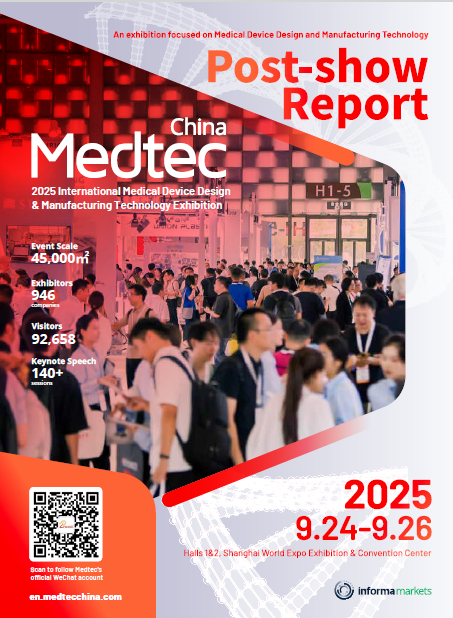
Designers and product teams building handheld OR tools need two things upfront: a clear sense of how a clinician grips a device and hard limits for what the chosen polymer can take. I’ve seen that divide play out on the Medtec China floor in Shanghai — suppliers lined up with PEEK samples and injection tooling, and surgeons sketching preferred handle contours during demos at medical device manufacturing trade shows. Those moments make the trade-offs tangible: ergonomics drive user acceptance, while tensile strength and sterilization compatibility set safety limits.

Why ergonomics and tensile strength must be paired
Ergonomics isn’t just comfort. In the OR it affects grip security, fatigue over long procedures, and how force transmits to tissue via the instrument. Tensile strength, creep behavior, and impact resistance define whether a thin-walled handle will deform under repeat torque. Pick a material for biocompatibility and you still have to validate tooling limits for injection molding and expected sterilization cycles. The design challenge is pairing human factors with mechanical boundaries so neither side surprises you mid-validation.
Common design trade-offs and how to approach them
There are familiar constraints: thinner walls save weight but raise the risk of stress concentrators; textured grips improve slip resistance but complicate cleaning and sterilization. Balance comes from quantifying the need. Map the maximum hand force for the target clinician profile, then translate that into a required minimum tensile strength and flexural modulus for the polymer. Use rapid prototypes to validate feel, and lab coupons to validate mechanicals — don’t skip either. — Small shifts in wall thickness or fillet radius can swing parts from robust to brittle.
Practical prototyping and testing workflow
Move from sketches to proof-of-concept with staged fidelity: 3D-printed ergonomics models first, followed by molded prototypes using target polymer or close surrogate. Run mechanical tests on representative sections, not only whole parts: tensile tests on thin-wall coupons, flexural tests at likely load points, and fatigue trials for repeated-actuation features. Include sterilization runs to observe property changes after several cycles — common sterilization methods (autoclave, EtO, gamma) can alter stiffness or color. Avoid the trap of validating only at room temperature; hand-warming effects and OR environmental conditions matter.
Material shortlist and selection cues
Some quick signals for material choice:- PEEK: high tensile strength and sterilization tolerance; heavier and costlier, good for instrument shafts and high-load components.- Medical-grade polyetherimide or reinforced polymers: strong with lower creep than standard plastics.- Engineering thermoplastics for grips: easier to mold and texture, but verify long-term biocompatibility and sterilization resilience.Check injection molding feasibility early — tooling draft, gate placement, and cooling rates influence final dimensions and mechanical performance. Also factor in service life: repeated sterilization and daily handling degrade polymers differently, so validate expected cycle counts against intended use.
Common mistakes to avoid
Teams often make two predictable errors: over-optimizing for weight at the cost of strength, and validating feel without mechanical samples. Skipping sterilization-aging tests is another frequent misstep — a handle that passes strength tests fresh can crack after ten autoclave cycles. Plan for retention samples and periodic retesting through the product lifecycle to catch late-emerging issues.
How trade shows and expos accelerate smarter choices
Attending a medical manufacturing expo offers fast access to material data sheets, vendor experience, and real examples of tooling limits. Live conversations reveal lead times for specialty resins and practical constraints on minimum wall thickness from different molders. If you can’t attend, curated reports from recent events like Medtec China still help orient material trade-offs and supply-chain realities.
Three golden rules for choosing OR-ready polymers
Apply these simple, measurable metrics before locking a design:1) Required Functional Strength — quantify the maximum in-use forces (N) and verify tensile/flexural values on representative coupons tested to at least 1.5× the expected load.2) Sterilization Stability — define the sterilization method and test the polymer through the intended cycle count; record percent change in modulus and surface integrity.3) Ergonomic Acceptance — validate with at least five clinicians using molded prototypes under simulated procedure timing; capture repeated-grip metrics and comfort scoring.Following these metrics reduces late-stage rework and keeps regulatory questions grounded in testable data. Medtec connects teams to suppliers and validation partners that make these steps practical — a natural bridge between concept and compliant production. —