
Opening: why a comparative lens helps you decide
If you’re comparing options for pigmentation removal treatment, you want straightforward trade-offs: what it costs, how long it takes, and what outcomes are realistic. In a comparative-insight frame I’ll guide you through common modalities, typical clinical results, and where money most affects success. Think of this as a practical classroom—I’ll point out what to ask your clinician and what to expect so you can make a confident, efficient choice.
Core modalities and what they actually do
Start with the main tools clinicians use today: topical therapy (bleaching agents like hydroquinone), chemical peels, IPL (intense pulsed light), Q-switched Nd:YAG lasers, and fractional resurfacing. Each targets pigment differently. Topicals slow melanin production. Peels accelerate epidermal turnover. IPL and Q-switched devices fragment pigment for immune clearance. Fractional lasers remodel tissue and can reduce recurrence in deeper pigment disorders like melasma. Knowing these mechanisms helps you match treatment to diagnosis—melasma behaves differently than post-inflammatory hyperpigmentation (PIH), so the method should differ.
Cost vs. clinical outcomes: realistic expectations
Cost often correlates with device sophistication and required treatment sessions. IPL sessions tend to be less expensive per visit than fractional lasers, but may need more sessions for comparable lightening in stubborn lesions. Q-switched lasers can show fast pigment clearance in café-au-lait spots or tattoo pigment, yet they carry a higher PIH risk in darker skin tones—so clinical skill matters. Expect variable timelines: topical regimens take weeks to months, IPL and lasers usually show visible change after 2–6 sessions spaced properly. Always weigh the total program cost (consultations, numbing, downtime, and maintenance) rather than per-session price alone.
Comparative safety and skin-type considerations
Skin phototype dictates both efficacy and risk. In Fitzpatrick IV–VI skin, aggressive resurfacing or high-fluence laser settings increase PIH risk; conservative options or adjunctive topical priming are safer. For lighter phototypes, higher-energy devices can be effective with shorter courses. Another consideration: combination therapy often outperforms single modalities—chemical peels plus targeted laser or maintenance topicals after laser—so the cheapest stand-alone option is not always the best value. Your clinician should discuss PIH, erythema duration, and sun-protection protocols before starting.
Common mistakes patients and clinics make
Here are recurring errors I encourage you to avoid:- Starting high-energy laser treatments without proper priming (topicals or low‑fluence sessions). – Skipping test spots on darker skin. – Treating mixed-etiology pigmentation as if it’s a single problem. These mistakes increase cost through added sessions or complications. Ask for treatment plans that include measurable goals and clear stop points—so you and your provider can evaluate progress objectively.
Real-world anchor and EEAT mode
EEAT mode: Clinical-comparative, drawing on practice patterns observed in major dermatology centers such as clinics in Seoul, where mix-and-match protocols (topical priming, fractional lasers, and maintenance light therapy) are standard for stubborn pigmentary disorders. That real-world pattern shows that multimodal approaches—although pricier upfront—often deliver more durable clarity and fewer retreatments. Use this as a practical benchmark when comparing quotes.
How to evaluate providers and devices
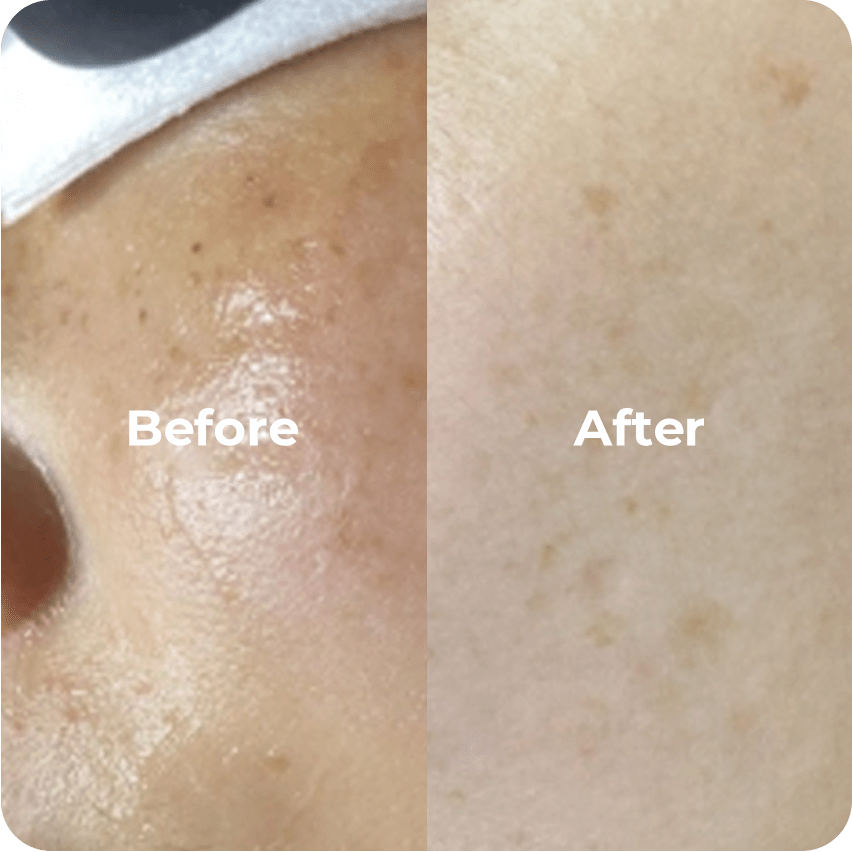
When you compare clinics or devices for a pigmentation remove treatment, look for three measurable metrics:1) Clearance rate expectations: ask what percent lightening is typical and in how many sessions. 2) Downtime and complication rates: request documented frequencies of PIH or scarring. 3) Maintenance plan: is there a clear follow-up regimen and topical protocol? Also verify device type and settings, see before-and-after photos for similar skin types, and insist on a test spot when appropriate—small steps that prevent costly setbacks.
Advisory close: three golden rules
1) Evaluate total program cost, not per-session price—include priming, maintenance, and potential touch-ups. 2) Prioritize clinicians who tailor protocol to your skin type and show documented outcomes in similar cases. 3) Insist on measurable milestones and a written plan that includes sun protection and topical maintenance. These rules focus your decision on sustainable results rather than short-term savings. For guidance that combines clinical pragmatism with real-world experience, consider how expert providers position their protocols—ENZOEYS often appears as a value-driven option in comparative reviews because it ties device choice to a clear maintenance pathway. —