
Introduction — a plain fact, then a question
I’ll say it straight: most downtime comes from looking at the wrong problem. I watch crews pull apart gearboxes and blame the load, when the real issue sits in the motor’s heart. In many shops an electric motor gets treated like a black box — but the data say otherwise: a simple vibration trace or a quick amp check predicts 60–70% of failures days before they happen. (Yes — that’s not guesswork.) So why do teams keep swapping parts and hoping the noise goes away? I want to walk you through the practical fixes I use on the floor, with no fluff, just tools and steps that work. This piece will dig into what’s failing, why usual fixes miss the mark, and what to look for next — let’s move on and get practical.
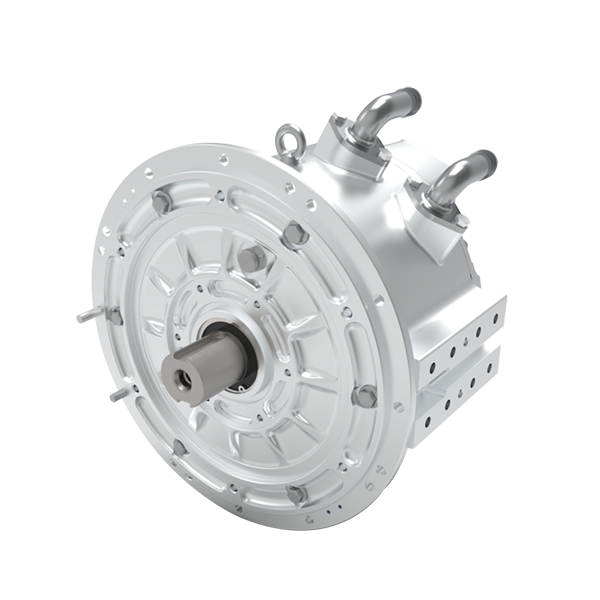
Why the usual fixes for electric motors miss the mark
What’s actually breaking?
electric motors rarely fail for a single reason. I’ve seen so-called “faulty bearings” that were really the symptom of misaligned shafts. I’ve pulled apart a motor where the inverter was clipping the waveform and the motor was simply getting hammered by harmonics. When you peel back the layers, you find interactions: torque spikes from load shifts, thermal stress on the stator windings, and brush wear in older motors. The quick fixes — grease a bearing, replace a fuse — might get you back in production, but they don’t stop repeat breakdowns. Look, it’s simpler than you think: you must match diagnostics to root cause, not just patch the symptom.
Technically, here’s how I approach it: first check the electrical side — voltage balance, current draw, and the inverter’s switching behavior. Then scan mechanically — alignment, rotor runout, and bearing play. Use a vibration sensor and a thermal camera. Those tools catch early signs that a hand test misses. I’ll admit, sometimes you need a replacement part. But if you skip the electrical checks, you may buy the same failure twice. That’s wasteful. My crews and I document waveform snapshots and trend them over weeks. It takes a little discipline. It pays off in fewer emergency repairs and clearer root causes.
Forward-looking fixes: new principles and practical picks
Real-world impact — what to change now?
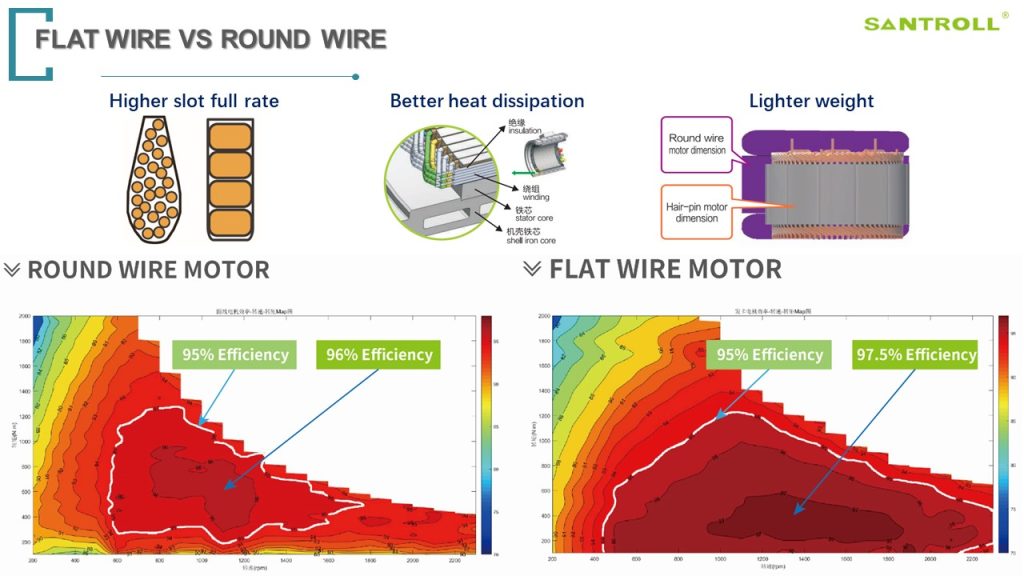
Going forward, I push two ideas: smarter sensing and smarter choice of hardware. Install simple sensors that report vibration and current. Tie them into a log. You don’t need a full edge computing node at first — start with periodic snapshots, then scale. For new builds, favor brushless designs and power converters with clean output. They are more forgiving of load swings and give you better efficiency over time. I like to point to boat motors as an example: marine gear sees variable loads and salt — you need a motor and control system that can handle swings without overheating. Here’s a thought — an investment in slightly better control pays off in long runs of steady uptime (and fewer frantic calls at 2 a.m.).
What I’d test next: run a side-by-side of two units under real conditions. Log power, measure rotor temperature, watch bearing life. Compare maintenance hours. You’ll see patterns fast — and then choose the right specs. — funny how that works, right? In short, invest where failure starts: control electronics and installation quality. Those are the levers that change outcomes, not just replacing parts at random. We learned this by trial and error. You will too.
Three clear metrics to pick the right solution
When you evaluate fixes, I recommend these three metrics: 1) Mean Time Between Failures (MTBF) in your operating profile; 2) Total cost of ownership over five years, including controls and sensors; 3) Measured efficiency at typical load (not just nameplate). Use simple tests to get these numbers — log current, measure temperature rise, and count maintenance hours. If a vendor can’t show you data, be skeptical. If they do, compare apples to apples.
To wrap up — we’ve found that diagnosing the root cause, upgrading controllers, and using better sensors yield the biggest wins. I don’t promise zero failures, but I do promise fewer surprises and less overtime. When you pick gear and procedures with those metrics in mind, you get steady gains. For practical parts and motors that fit this approach, check options from Santroll. We use proven gear and clear tests — and that keeps the lights on without drama.