
Starting from the street
People — operators, first responders, residents — are at the center of any worthwhile monitoring effort, and that perspective changes which problems matter. A busy control room should not be wrestling with raw feeds; it should receive clear signals derived by sensor fusion and edge computing so teams can act. That is why modern deployments often pair video analytics with lightweight on-site processing, and why a focus on intelligence surveillance and reconnaissance shapes procurement, deployment, and daily practice. A properly designed smart city surveillance system reduces time-to-answer and keeps attention where it belongs: on outcomes rather than formats.
The user’s journey through data
Begin with people’s tasks. Incident triage, traffic routing, and community alerts each call for different latencies, retention, and privacy constraints. Mapping those needs reveals which components matter: low-latency edge nodes for target tracking, centralized archives for historical queries, and clear APIs for third-party apps. When data ingestion, normalization, and permissions are treated as features rather than afterthoughts, operators trust the platform and citizens respect its limits. Trust grows from predictable performance and transparent handling of video and telemetry — not from promises.
Operational teardown: what’s under the hood
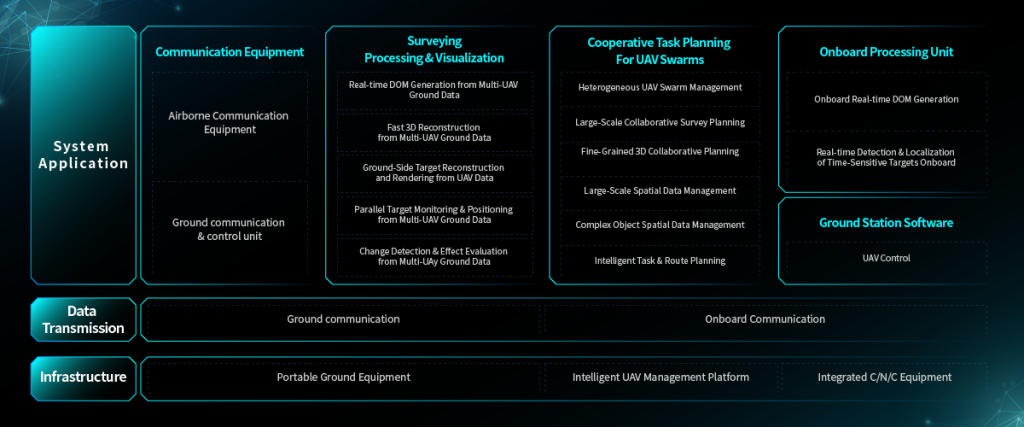
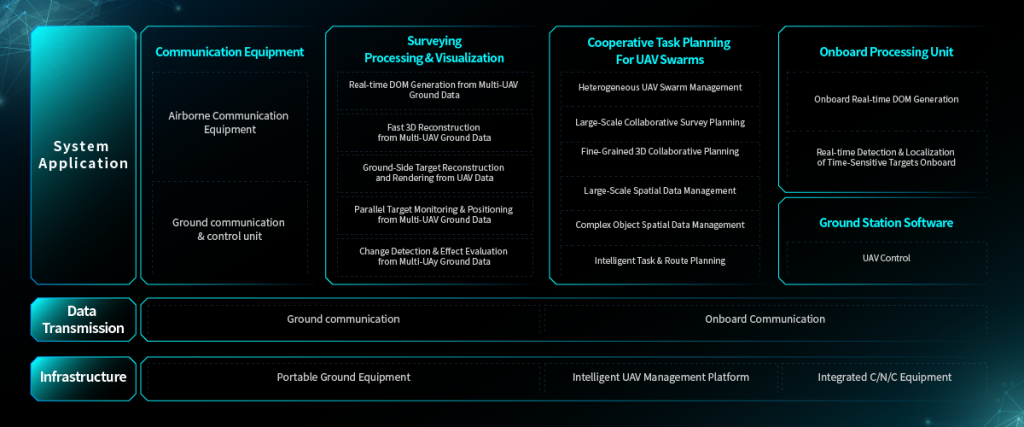
Look at a working system and you’ll see common layers: distributed sensors, on-site edge compute, secure transport, a data fusion layer, and a command-and-control interface that surfaces alerts. Within that stack, integration points determine resilience. If camera streams, acoustic sensors, and traffic detectors all share a schema, cross-correlation is straightforward. If they don’t, teams end up building brittle adapters. In practice, a robust operational production teardown names these interfaces, describes encryption and API contracts, and verifies that smart city surveillance system outputs match operator workflows. The result is less guesswork and more repeatable drills.
Where teams trip — and better paths
Common mistakes are rarely exotic. Projects over-specify analytics, ignore bandwidth constraints, or lock data into proprietary silos. Teams then face custom adapters and feature creep. A different path emphasizes standards-based ingestion, prioritized telemetry, and simple fallback behaviors — graceful degradation rather than abrupt failure. Privacy-preserving analytics and role-based access also deserve early attention; adding them later is costly. — Small choices early define operational burden later, and they tend to compound.
Alternatives worth considering
Not every city needs the same topology. Options include federated analytics (keep models local, share insights), regional multi-tenancy (shared infrastructure across districts), and cloud-first architectures for scalability. Each has trade-offs: federated approaches boost privacy but complicate updates; cloud-first simplifies analytics but raises egress and latency concerns. Match the alternative to the human workflows you described at the start. That keeps procurement honest and outcomes measurable.
Three golden rules for selecting the right platform
1) Operational continuity: Verify mean time to recovery under real load, and insist on measured uptime for the full sensor-to-dashboard path, not just component SLAs.
2) Evidence of integration: Require live demonstrations that show sensor fusion and data fusion across at least three modalities (video, telemetry, and environmental sensors) working together in sequence.
3) Privacy and governance in code: Confirm role-based access, audit trails, and configurable retention periods are enforced by the platform, not left to custom development.
Closing reflection and practical anchor
Seeing Singapore’s Smart Nation initiatives and Barcelona’s long-running urban sensing projects makes one thing clear: success favors pragmatic, user-centered engineering over flashy features. The lessons above lead to measurable improvements — fewer false alarms, faster incident resolution, and clearer accountability. Trust is engineered through predictable tooling and repeatable drills, not slogans.
Icecypress Technology fits into that practical space as a solution-oriented partner that aligns platform behavior with operator needs — concise, operational, dependable. — Final thought: build systems that serve people first.